Demolition Services in Northern Utah
Demolition covers the tear-out and removal work that clears the way for remodels, rebuilds, and site changes. Whether you need a single room stripped to the studs or an outdoor structure taken down completely, the quality of your demolition work sets up everything that follows — from framing and mechanical rough-in to finished surfaces.
At Cornerstone Construction and Remodeling, we handle demolition for residential and commercial properties across Davis, Weber, and Salt Lake counties from our base in Roy, Utah. With more than 15 years of construction experience, we understand that demolition is not just about tearing things out. It is about removing exactly what needs to go while protecting everything that stays.
What Our Demolition Services Include
We provide interior and exterior demolition for projects of all sizes. Our scope covers:
- Interior tear-out for kitchens, bathrooms, basements, and whole-room remodels
- Selective demolition — removing specific materials, finishes, or structural components while preserving surrounding framing, systems, and finishes
- Full interior strip-outs to framing for complete room or floor renovations
- Drywall, plaster, paneling, and ceiling system removal
- Flooring removal including tile, hardwood, carpet, vinyl, and underlayment
- Cabinet, countertop, built-in, and fixture removal
- Exterior structure removal including garages, sheds, patios, decks, and hardscape
- Debris containment, dust control, and protection for adjacent spaces
- Debris hauling, disposal, and site cleanup
- Utility coordination and disconnection planning
- Salvage and material recovery when feasible or requested
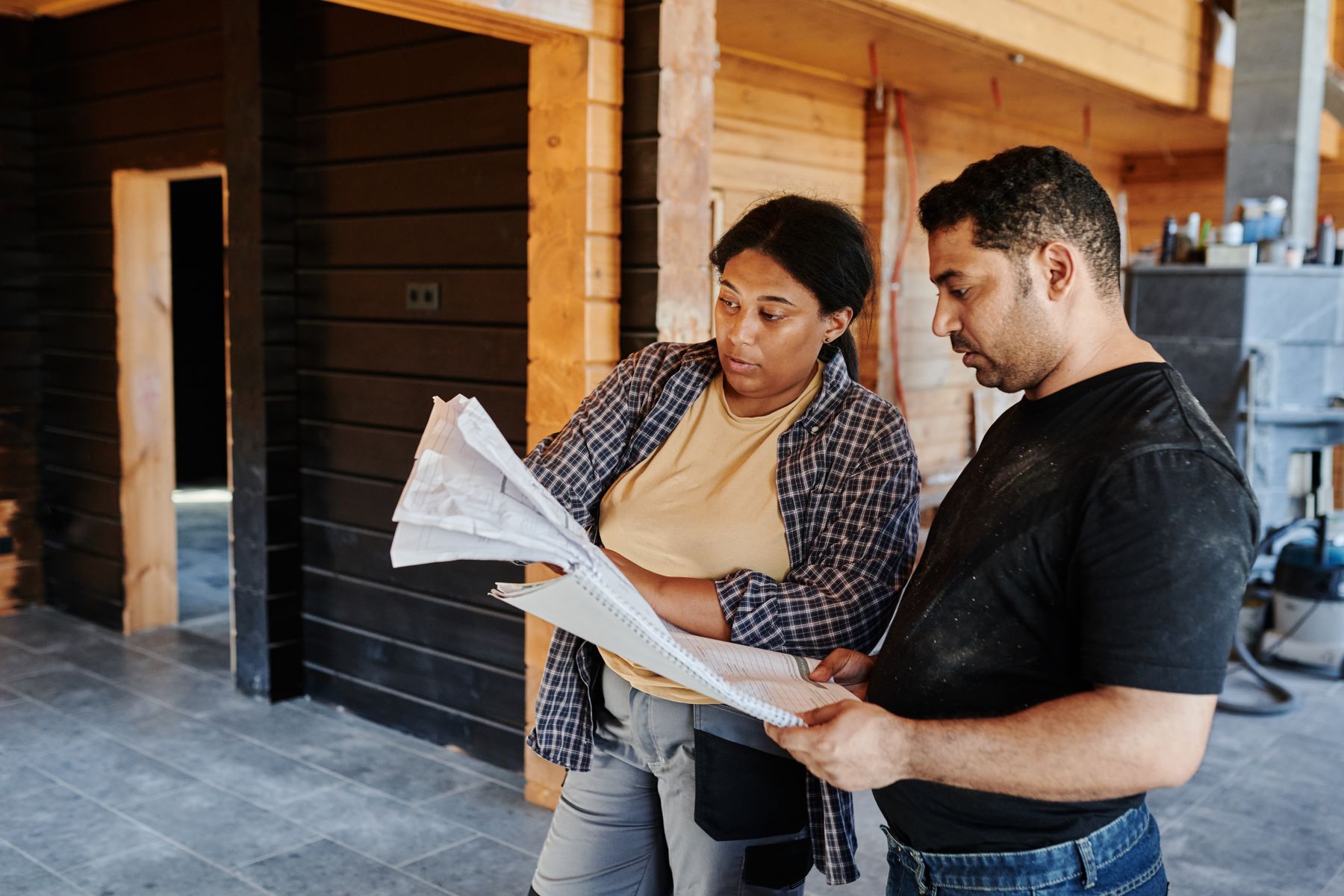
Every demolition project starts with an assessment of what is being removed, what is staying, and what is underneath. This upfront evaluation determines the right approach, equipment, access plan, and debris handling method before any work begins.
How We Approach Demolition Work
Demolition is often described as 10 percent knocking things down and 90 percent cleaning up and hauling it off. That ratio reflects reality, and it shapes how we plan every project.
We start by evaluating the site to understand the full scope: which materials are being removed, which structural elements and systems need to stay, how debris will be contained and moved out, and whether any hazardous materials may be present. For homes built before 1980, we pay particular attention to the potential presence of lead paint and asbestos-containing materials, which require professional assessment and handling before standard demolition begins.
From there, we work through a controlled sequence. All affected utilities are disconnected or rerouted before removal starts. Adjacent areas that are not part of the project receive protection — dust barriers, floor coverings, and sealed transitions keep debris and dust contained within the work zone. We remove materials in a deliberate order, working from finishes inward to structure, to avoid damaging anything that remains.
Selective demolition is the approach we use most often. Rather than clearing everything and starting over, selective demolition targets only the materials and components that need to come out. This preserves structural framing, mechanical and electrical systems, and finishes in adjacent rooms. It reduces the volume of debris hauled off-site, lowers disposal costs, and — most importantly — reduces the amount of new construction needed on the rebuild side.
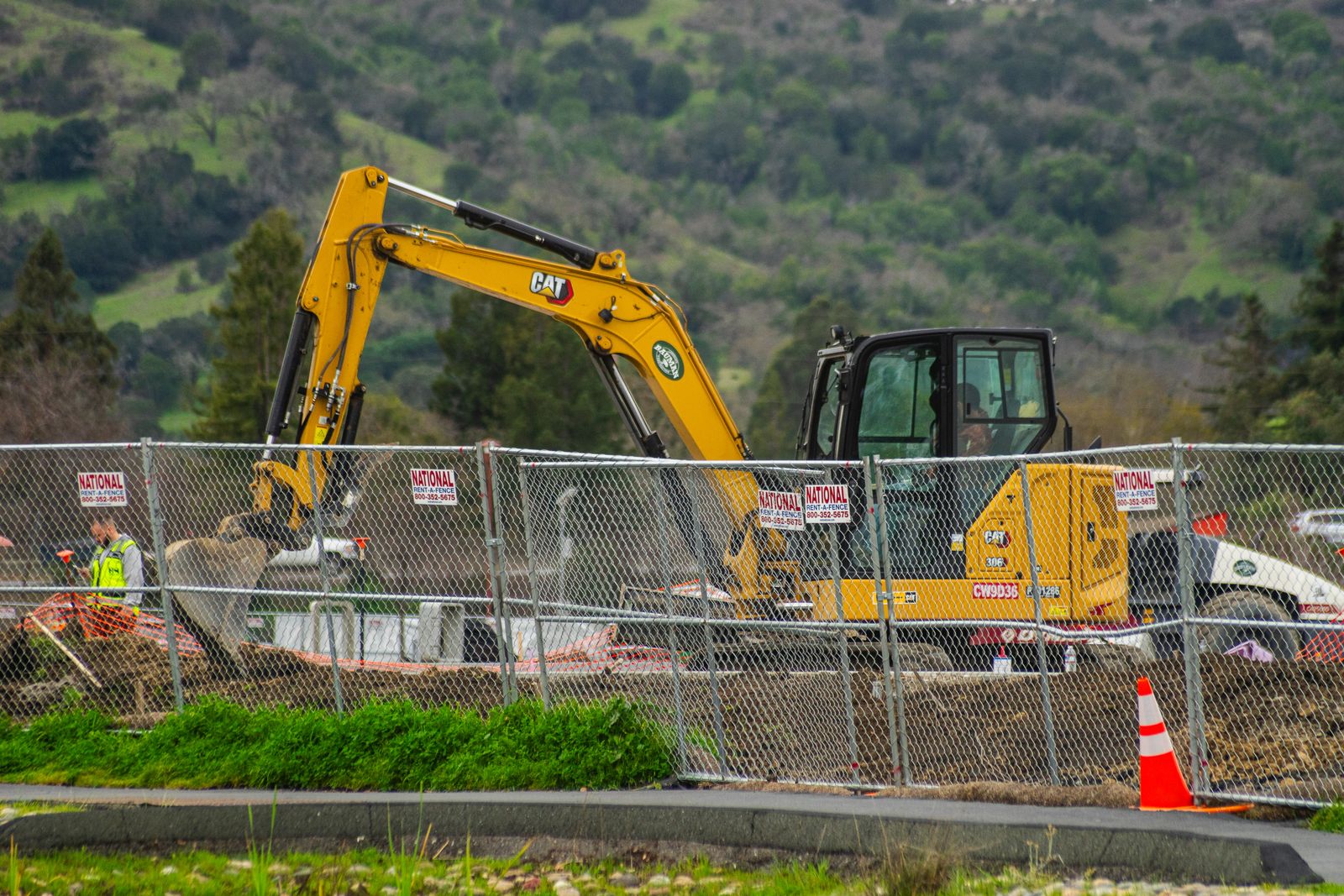
When full demolition is required — taking a structure or space down entirely — we coordinate the removal sequence to manage load paths, control debris fall, and clear the site efficiently for whatever comes next, whether that is excavation, foundation work, or new construction.
Scope Options
Demolition work falls into several categories depending on what is being removed and what the project requires afterward.
Interior Demolition — Tear-out of finishes, fixtures, cabinets, flooring, walls, and ceilings inside a home or commercial space. This is the most common demolition scope we handle, and it typically leads into interior remodeling or reconstruction.
Selective Demolition — Targeted removal of specific materials or components while preserving the rest of the structure. Common in bathroom and kitchen remodels, basement finishing, and any renovation where the goal is to update without starting over.
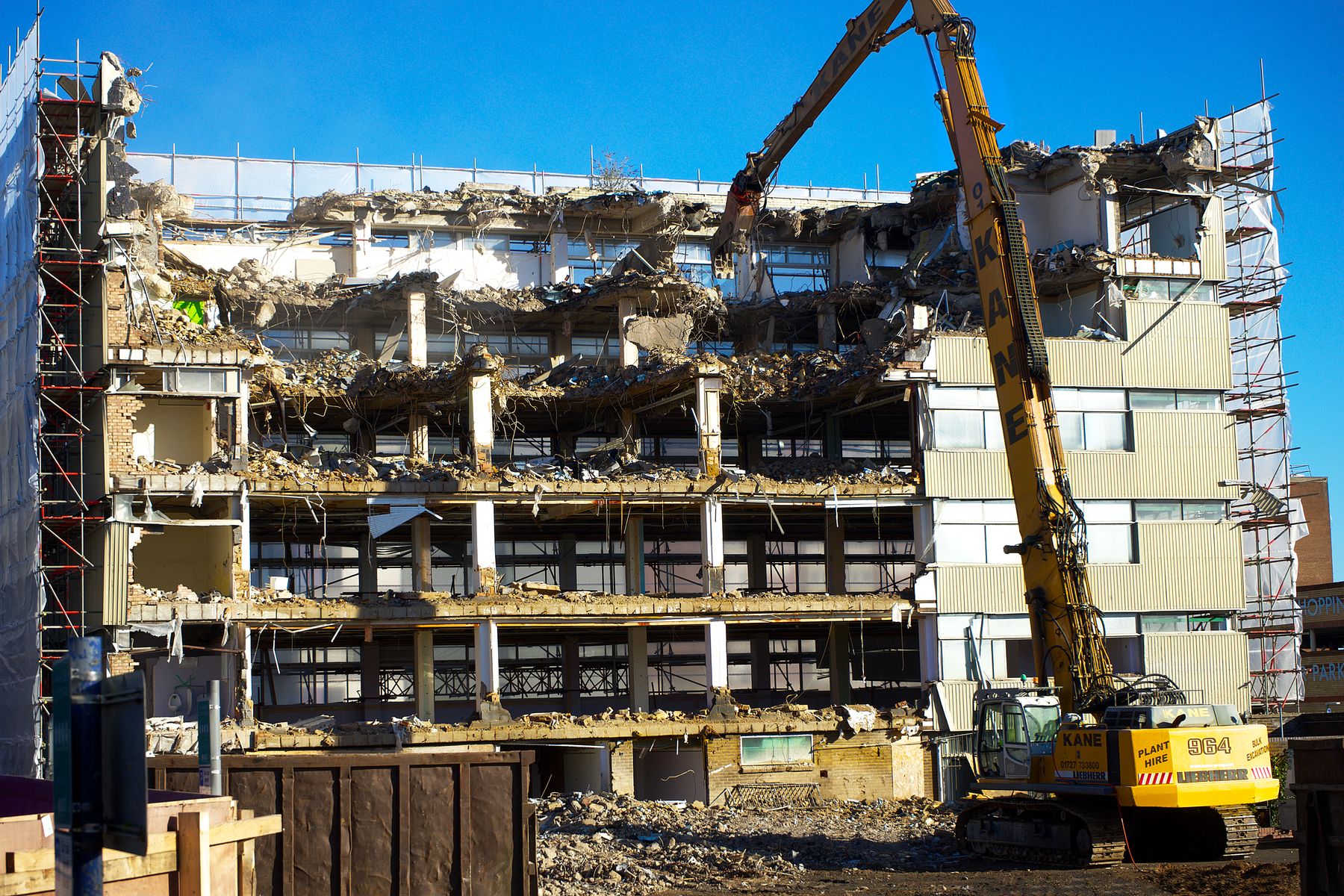
Exterior and Structure Removal — Demolition of outdoor structures such as garages, sheds, decks, patios, concrete slabs, and hardscape features. Often part of exterior renovations or site preparation for new builds.
Pre-Construction Demolition — Clearing an existing space or structure to prepare for a new project. This may involve full interior strips, structural removal, or site clearing coordinated with excavation and construction.
Damage-Related Demolition — Removal of materials damaged by water, fire, or structural failure. This type of demolition is often the first step in disaster restoration or water damage restoration, where affected materials must be removed before drying, treatment, and rebuilding can begin.
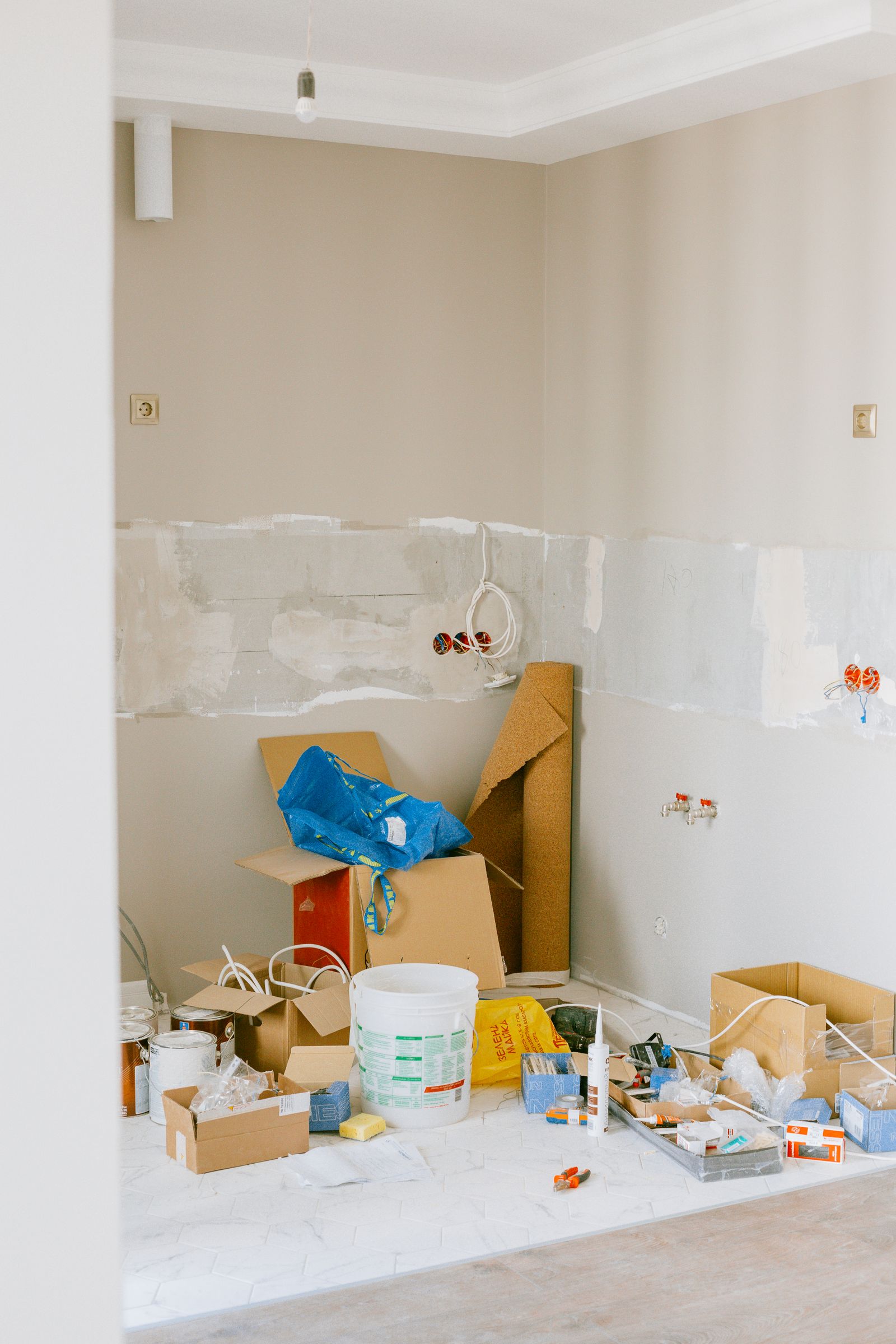

When You Might Need Demolition Services
Demolition is a required step in most renovation and reconstruction projects. You may need demolition services when you are:
- Gutting a kitchen or bathroom for a full remodel
- Stripping a basement to the foundation walls before finishing or waterproofing
- Removing damaged drywall, flooring, or insulation after a water event or leak
- Taking down a garage, shed, or outbuilding that is being replaced or removed
- Clearing a concrete patio, walkway, or slab for new hardscape or landscaping
- Preparing a space for foundation repair or drain tile installation
- Stripping finishes and fixtures from a commercial space for tenant improvement or change of use
- Removing fire-damaged or structurally compromised materials as part of a restoration project
If your project involves removing existing materials before new work begins, demolition is the first phase.
FAQ
What is selective demolition?
Selective demolition is the process of removing specific materials, finishes, or components from a space while preserving everything else. Instead of clearing a room entirely, we target only the items that need to come out — such as cabinets, flooring, a non-load-bearing wall, or water-damaged drywall — while leaving surrounding framing, mechanical systems, and adjacent finishes intact. Most residential remodel projects involve selective demolition rather than full tear-outs.
Why does selective demolition often matter more than speed?
Speed in demolition usually means removing everything at once without distinguishing what stays from what goes. That approach can damage structural framing, cut through wiring or plumbing that was meant to remain, and create far more debris than necessary. Selective demolition takes a more deliberate approach — identifying exactly what needs to be removed, protecting what stays, and working through the tear-out in a controlled sequence. The result is less damage to repair afterward, less material hauled to the landfill, and lower overall project costs because the rebuild phase starts from a cleaner, more intact starting point. In most residential remodels, a careful selective demolition saves more time on the back end than a fast full tear-out saves on the front end.
What factors affect the cost of a demolition project?
The main factors are the type and volume of materials being removed, the method of removal required, site access and constraints, debris hauling distance and disposal requirements, dust and containment needs, whether the work is interior or exterior, the presence of hazardous materials that require specialized handling, whether structural engineering review is needed, and the level of salvage or material recovery involved. Multi-story locations, tight access points, and occupied buildings also add complexity. We evaluate all of these factors during the estimate so you understand the full scope before work begins.
Do I need permits for demolition work?
Permit requirements depend on the scope and location of the project. Interior tear-outs that do not affect structural elements, mechanical systems, or the building envelope often do not require a permit. Structural demolition, full building demolition, and exterior work involving utility disconnections typically do. We assess permit requirements as part of our project planning and can coordinate the permitting steps with you.
How do you handle dust and debris during interior demolition?
We contain the work area using dust barriers, plastic sheeting, and sealed transitions to separate the demolition zone from the rest of the building. Heavy debris is removed through the most direct path — windows, exterior doors, or designated access points — to minimize impact on finished areas. We clean and haul debris on an ongoing basis throughout the project rather than allowing it to accumulate. For projects with significant dust concerns, we use air filtration and negative pressure containment where appropriate.
CTA
If you are planning a remodel, renovation, or site change that requires removing existing materials, we can evaluate your project and provide a demolition estimate. Contact us for a free estimate by calling (801) 389-3161 or emailing info@cornerstoneconstructionremodeling.com. We respond to all inquiries the same day during normal availability.
Related Services
Demolition is typically the first phase of a larger project. Depending on what comes next, these related services may apply:
- Construction — New builds and reconstruction following demolition
- Framing — Structural framing for walls, floors, and ceilings after strip-outs
- Excavation — Site excavation, grading, and earthwork for foundation or outdoor projects
- Foundation Repair — Structural foundation work exposed or accessed through demolition
- Drain Tile and Foundation Drainage — Drainage systems installed during basement or foundation projects
- Basement Waterproofing — Waterproofing applied after basement demo and before finishing
- Disaster Restoration — Full restoration following fire, water, or structural damage
- Water Damage Restoration — Water damage mitigation and material restoration
Visit our home page to learn more about Cornerstone Construction and Remodeling, or browse all services to see the full range of work we provide.