Disaster Restoration in Roy, Utah

1. What Disaster Restoration Covers
Disaster restoration is the repair and rebuild work that follows a major damage event — a storm that tears through a roof, a fire that moves through rooms, or a water loss that reaches beyond one surface into framing and subfloor. The scope is larger than a standard repair because the damage rarely stays confined to one trade, one room, or one finish layer.
Cornerstone Custom Construction & Remodeling is a disaster restoration company based in Roy, Utah, with 15+ years in business. We handle the stabilization, cleanup, and contractor-led rebuild that brings a damaged home back to a safe and functional condition — from temporary protection and debris removal through the multi-trade reconstruction that puts the structure, envelope, and finish systems back together.
If your home has sustained major damage from a storm, fire, or severe water event, call 801-389-3161 or email info@cornerstoneconstructionremodeling.com to start a free estimate conversation about the restoration scope.
2. Who This Service Fits
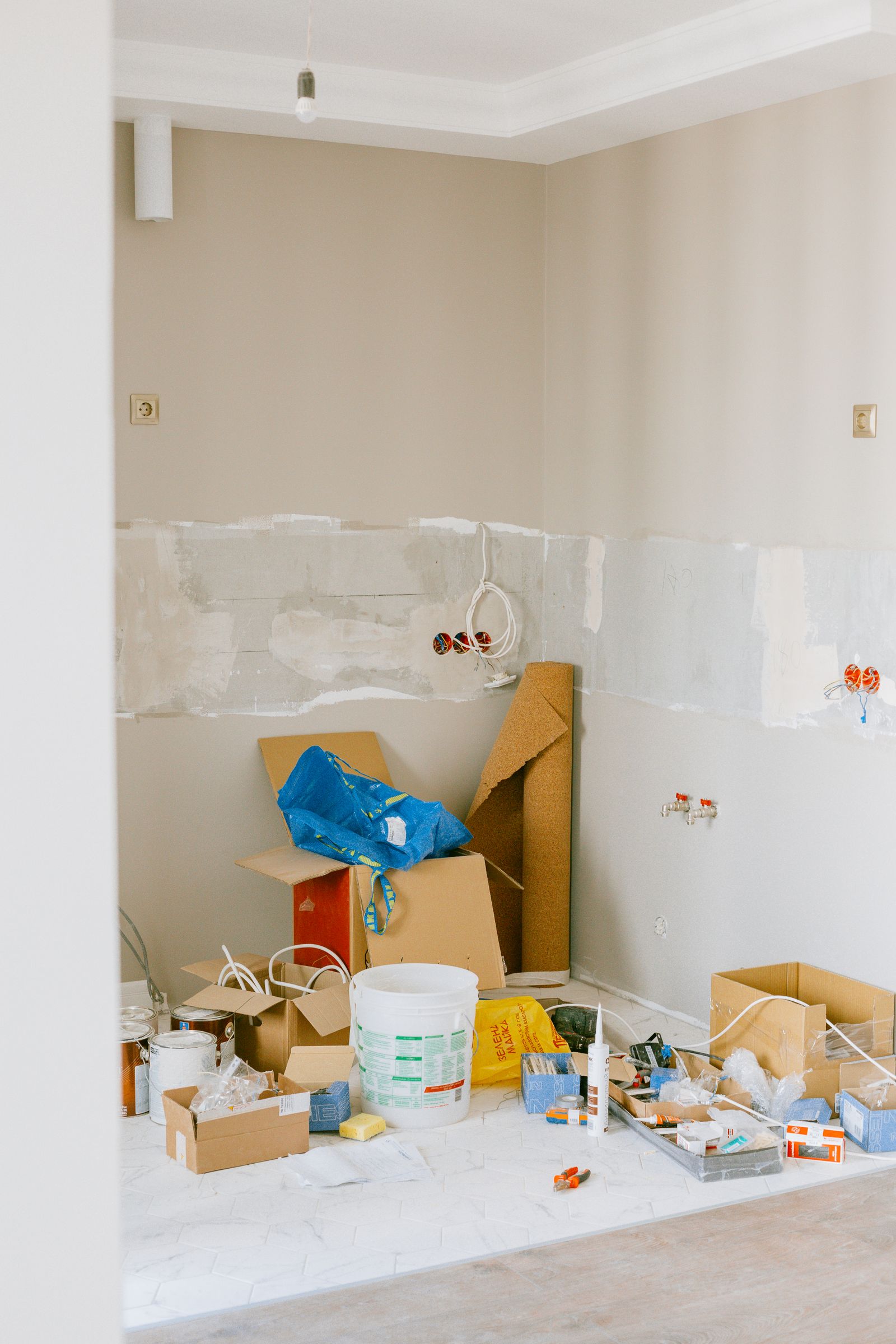
Disaster restoration fits homeowners dealing with damage that goes beyond a single-area repair. If any of these situations describe what you are facing, this is the right starting point:
(i) A storm has opened the roof, displaced siding, or left structural debris against the home, and the property needs protection and repair before conditions worsen.
(ii) Fire has moved through part of the home, leaving structural damage, smoke residue, soot contamination, or water intrusion from suppression efforts, and the house needs cleanup and reconstruction.
(iii) A severe water event — flooding, a burst pipe, or prolonged intrusion — has reached framing, subfloor, or multiple rooms, and the damage is too extensive for a single-trade repair.
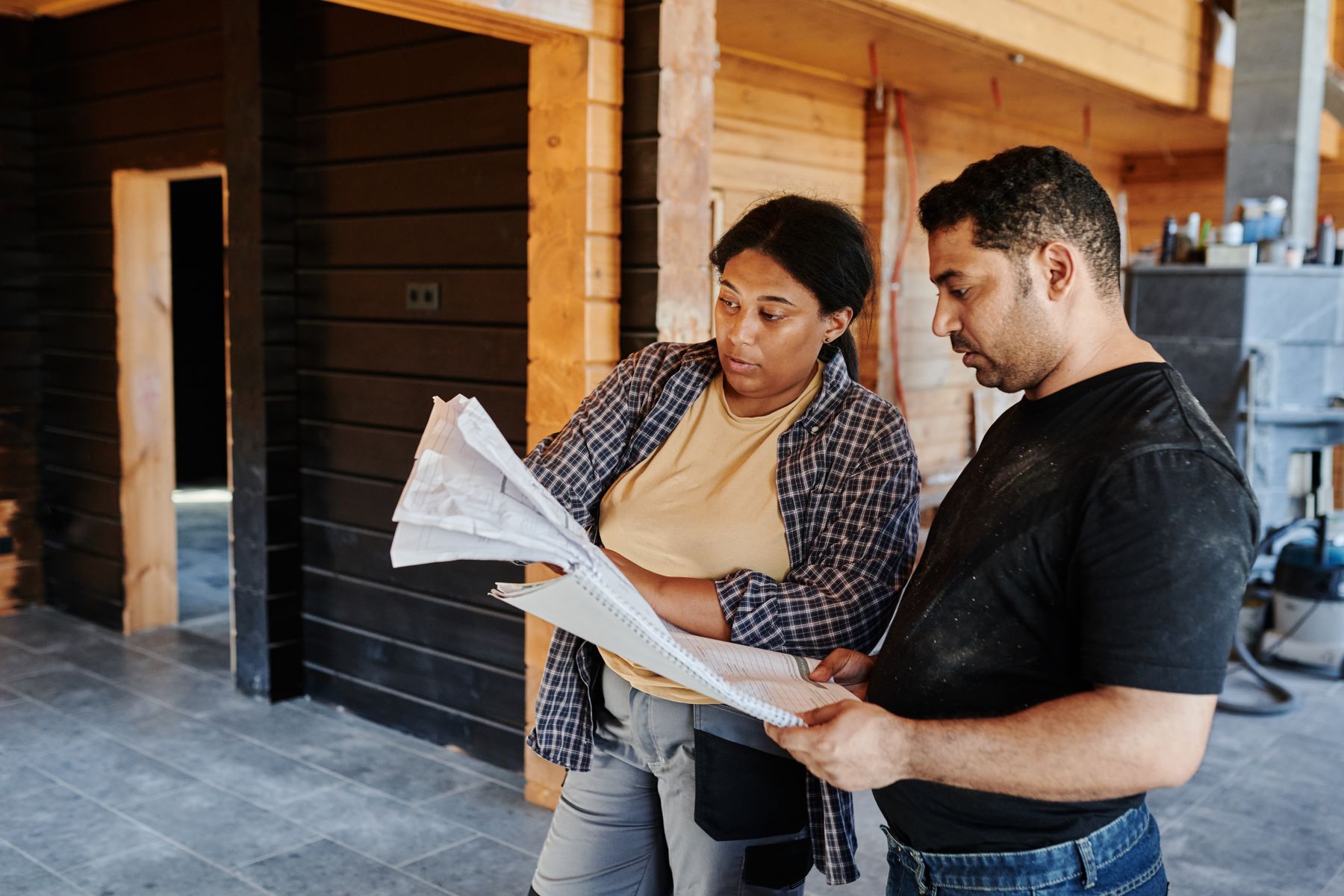
(iv) The home needs coordinated work across framing, exterior envelope, interior finishes, and possibly mechanical systems, and you need one contractor-led plan to tie those trades together instead of managing separate repairs.
2.1 What Cornerstone's role covers. Our work on disaster restoration projects spans temporary protection and stabilization, damaged-material assessment, controlled demolition, debris handling, and the full reconstruction path — framing, sheathing, drywall, flooring, trim, and finish surfaces. We coordinate with the specialty trades needed to complete the recovery. This is builder-level experience applied to restoration, not a single-trade patch.
2.2 What falls outside this scope. Cornerstone does not perform environmental testing, mold remediation requiring licensed abatement, hazardous material removal, or engineering assessments. When a project requires those services, we work alongside the specialists who provide them so the rebuild proceeds on a sound foundation.
3. Scope, Exclusions, and Representative Project Conditions
A disaster-restoration project is usually larger and less predictable than planned remodeling. The damage touches multiple systems, the work often begins before the full scope is visible, and the sequencing matters as much as the materials. These are the conditions that typically define the work:
3.1 Storm damage. Wind, hail, fallen trees, and severe weather can compromise roofing, siding, windows, fascia, soffit, and structural framing. The first concern is stopping further water intrusion and debris exposure. The rebuild often spans the exterior envelope, underlying sheathing or framing, and the interior surfaces behind them — drywall, insulation, flooring, and trim.
3.2 Fire damage. Fire affects the structure and everything around it. Beyond the areas where flame made direct contact, smoke and soot travel through wall cavities, ductwork, and porous surfaces. Water used during suppression adds a secondary damage layer. Restoration includes structural cleanup, controlled demolition of compromised materials, and reconstruction of the affected areas from framing through finish.
3.3 Severe water loss. When water intrusion goes beyond a single surface — reaching subfloor, framing, insulation, or multiple rooms — the project enters restoration territory. Standing water extraction, structural drying, removal of materials that cannot be salvaged, and reconstruction of the damaged areas are all part of the scope. The longer water sits, the more the damage expands into adjacent materials and spaces.
3.4 Multi-trade coordination. Major damage events rarely stay within one trade. A storm that opens a roof also damages the framing behind it, the insulation inside the walls, the drywall on the interior, and possibly the electrical or plumbing running through those cavities. Restoration requires sequencing those trades in the right order so each phase builds on the last rather than conflicting with it.
3.5 Hidden and secondary damage. What you can see after a disaster is often less than what is actually affected. Water travels behind walls and under floors. Smoke moves through cavities and ductwork. Structural stress may not be visible on the surface. Part of restoration is uncovering the full extent of damage before closing walls and laying finishes — because repairs built over hidden damage fail.
3.6 What disaster restoration does not include. Restoration addresses the physical repair and rebuild of the structure. It does not include insurance claim management, public adjusting, environmental testing, mold remediation requiring licensed abatement, hazardous material handling, or engineering certifications. When those services apply, they are provided by the appropriate specialists alongside the restoration work.

4. Restoration Scope Paths
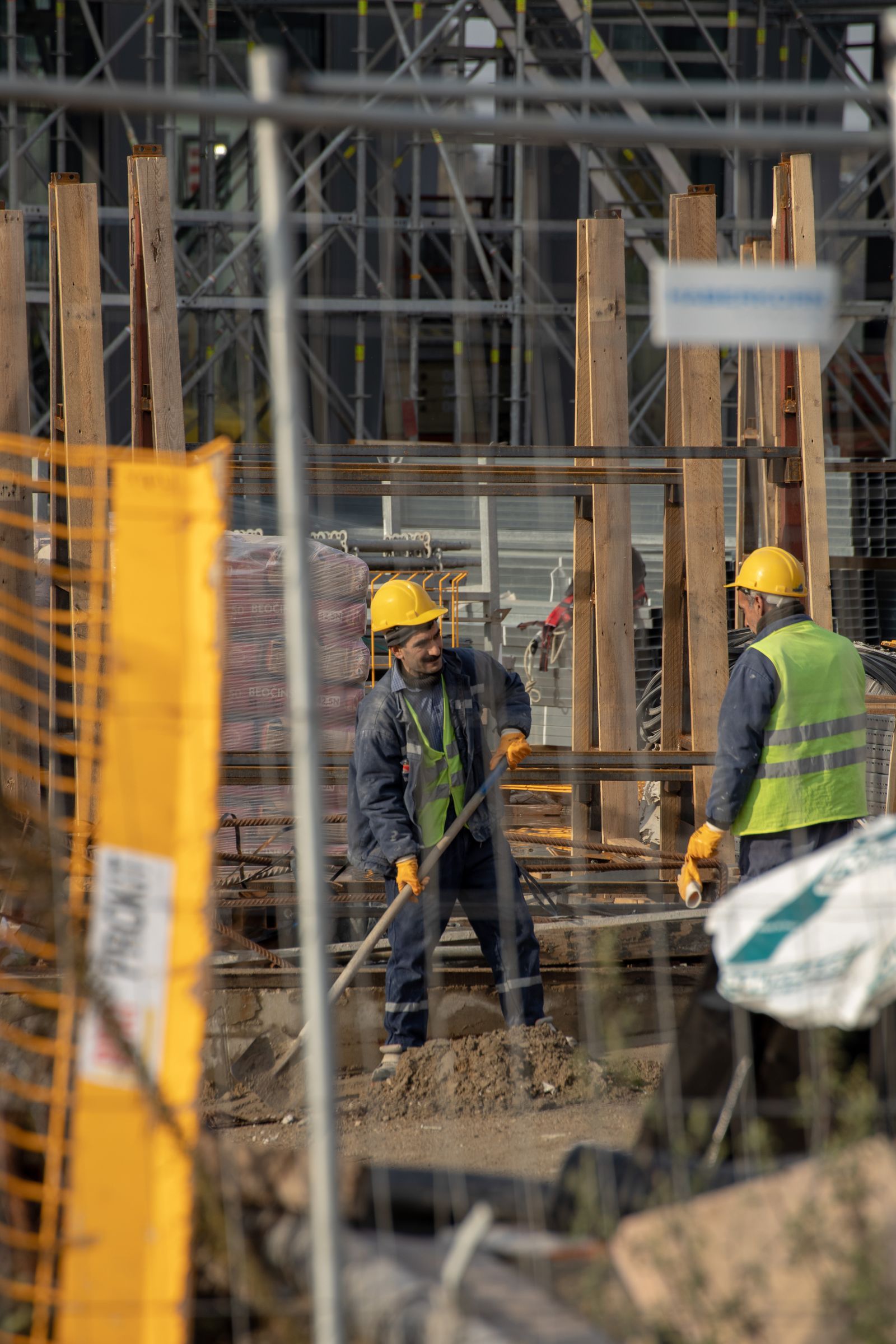
Disaster restoration is not a single service — it covers several categories of work depending on the event and the damage it caused. These are the primary scope paths within our disaster restoration work:
4.1 Storm damage restoration. Storm damage restoration addresses the structural and finish damage caused by wind, hail, fallen trees, ice, and severe weather events. The work typically begins with emergency stabilization — board-up, temporary roofing, tarping, and debris removal to stop further loss — then moves into the permanent repair and rebuild of the affected areas. Roof systems, exterior siding and sheathing, windows, fascia, soffit, framing, and interior surfaces behind the damaged envelope are all common scope items.
4.2 Fire damage restoration and reconstruction. As a fire damage restoration contractor, Cornerstone covers the full path from initial cleanup through reconstruction of fire-damaged areas. The scope includes structural assessment of fire-affected framing and load-bearing elements, smoke and soot removal from surfaces and cavities, controlled demolition of materials that cannot be salvaged, and the rebuild — new framing, sheathing, drywall, insulation, flooring, trim, and finish surfaces. Water damage from fire suppression is typically addressed as part of the same project. For isolated water damage not connected to a fire or storm event, the water damage restoration page covers that scope in detail.
4.3 Severe water loss recovery. When water damage extends beyond a single room or surface into structural framing, subfloor, or multiple connected spaces, the project moves from repair into restoration. This scope includes water extraction, structural drying, removal and replacement of materials that cannot be dried and salvaged, and reconstruction of the affected areas. Basement waterproofing and drain tile and foundation drainage may also apply when the water event originates from groundwater or foundation-level intrusion.
5. Planning Inputs
Disaster restoration projects have planning requirements that standard remodeling does not. The more we understand about the damage, the property, and your situation, the more accurate the scope and estimate conversation will be.
5.1 Site conditions and safety. Before restoration work begins, the property needs to be safe to enter and work in. If the structure has been compromised — open roof sections, fire-weakened framing, standing water, or debris hazards — stabilization and temporary protection come first. We assess site conditions during the initial visit and determine what needs to happen before full restoration work can start.
5.2 Access and staging. Restoration equipment — drying systems, debris containers, material deliveries, and trade vehicles — requires space on or near the property. Narrow lots, shared driveways, limited street access, or homeowner association rules can affect how the work is staged. Let us know about any access constraints when you reach out.
5.3 Occupancy during restoration. Whether you can stay in the home during restoration depends on the scope, the affected areas, and the type of damage. Smoke contamination, structural instability, active drying operations, open demolition areas, and extensive reconstruction may make the home temporarily uninhabitable. We will be direct with you about occupancy conditions once we assess the damage.
5.4 Material and finish selections. Restored areas need new finish materials — flooring, drywall, trim, paint, and sometimes cabinetry or fixtures. You can match the original materials or use the rebuild as an opportunity to upgrade finishes in the affected areas. Material selections affect cost, lead times, and scheduling, so having a direction in mind helps the project move forward without unnecessary delays.
5.5 Documentation and photos. If it is safe to do so, photograph or video the damage before any cleanup begins. Capture the affected areas from multiple angles, including close-up views of structural damage and wide shots showing the overall extent. This documentation helps us understand the scope during the estimate conversation and serves as a baseline for the restoration plan.
6. Cost and Schedule Factors
Every disaster restoration project is different in scale, damage type, and complexity. We do not quote fixed prices or guaranteed timelines for restoration work because the scope is determined by what the damage actually requires. These are the factors that most directly affect cost and schedule:
6.1 Event type and severity. A localized storm opening that affects one section of roof and the rooms below it is a different project than a fire that moves through multiple rooms or a flood that saturates the entire ground floor. The type and severity of the event set the baseline for how much work is needed.
6.2 Number of systems and trades involved. Restoration that touches only exterior surfaces and the framing behind them is simpler than restoration that also involves electrical, plumbing, HVAC, flooring, cabinetry, and finish carpentry. Each additional system adds coordination, materials, and time.
6.3 Extent of hidden and secondary damage. Damage visible on the surface often extends further once walls are opened and materials are removed. Water behind drywall, smoke in wall cavities, fire stress on framing, and moisture under flooring can all expand the original scope. We build the estimate around what we know and communicate clearly if the scope grows once hidden conditions are revealed.
6.4 Timeliness of stabilization. How quickly the property is stabilized after the event directly affects how far the damage spreads. Unprotected roof openings allow rain and moisture to compound storm damage. Standing water that is not extracted promptly expands into adjacent flooring, subfloor, and framing. Early stabilization limits secondary damage and typically reduces the overall restoration cost.
6.5 Material selections and availability. Standard materials are generally available on normal lead times. Specialty finishes, custom items, or specific products needed to match existing areas of the home may take longer to source. Material choices also affect cost — the same wall can be restored with standard drywall and paint or with upgraded finishes, and the difference is meaningful.
6.6 Coordination complexity. Restoration projects that require multiple specialty trades working in a specific sequence take more planning and scheduling coordination than single-trade work. The more trades involved and the more dependent each phase is on the last, the more the schedule and cost reflect that coordination.
7. How We Approach Restoration
Disaster restoration follows a sequence that differs from planned remodeling. The work begins with response and stabilization rather than design and material selection, and each phase must be completed in the right order to protect the one that follows.
7.1 Initial assessment. We visit the property, assess the visible damage, evaluate site safety, and discuss the event and its impact with you. This first visit determines whether the property is safe to enter, what stabilization work is needed immediately, and what the likely scope of the restoration will be.
7.2 Stabilization and temporary protection. If the property is exposed — open roof, broken windows, unsecured openings, standing water, or active weather exposure — we address those conditions first. Board-up, tarping, water extraction, debris removal, and temporary protection are all aimed at stopping further damage before the permanent rebuild begins.
7.3 Damage documentation and scope definition. Once the property is stabilized, we document the full extent of the damage — structural, envelope, interior finishes, and any systems that are visibly affected. This documentation defines the restoration scope: what needs to be removed, what can be preserved, and what needs to be rebuilt.
7.4 Controlled demolition and cleanup. Materials that cannot be salvaged are removed in a controlled sequence. This is not wholesale demolition — it is targeted removal of compromised drywall, insulation, flooring, framing members, and finish materials, while preserving what remains sound. Demolition within restoration is sequenced to expose hidden damage and prepare surfaces for rebuild.
7.5 Structural repair and reconstruction. The rebuild begins with the structure and works outward. Framing repairs or replacements come first, followed by sheathing, exterior envelope, rough-in coordination with mechanical trades, insulation, drywall, and finish surfaces. Each phase is completed and verified before the next layer covers it. As a reconstruction contractor, Cornerstone manages the build sequence so trades work in order rather than over each other.
7.6 Interior finish and detail work. Once the structure and systems are in place, the finish phase restores the livable surfaces — flooring, trim, paint, cabinetry, fixtures, and detail carpentry. This is where the home starts to look and feel like a home again rather than a job site.
7.7 Final walkthrough. Before the project closes, we walk the completed restoration with you to verify that every area has been addressed, the finishes match your selections, and the home is ready to occupy. Any remaining items are documented and resolved before the project is considered complete.
7.8 Responsibility boundaries. Cornerstone manages the contractor-led rebuild: stabilization, demolition, structural repair, and finish reconstruction. Specialty trades — licensed electricians, plumbers, HVAC technicians, and roofers — perform their respective work within the restoration sequence. Environmental testing, mold remediation requiring licensed abatement, and engineering assessments are provided by the appropriate specialists when the project requires them.
8. Service Area
Cornerstone provides disaster restoration services across Davis, Weber, and Salt Lake counties. These are our primary service counties, and most restoration work is performed within this area.
We also consider disaster restoration projects elsewhere in Utah when the project scope and economics fit. If your property is outside these three counties, reach out and describe the situation — we will let you know whether the location works for the scope involved.
Visit the Roy service area page for a closer look at our local coverage.
9. Related Services
Disaster restoration connects to several other services in the Restoration, Waterproofing and Structural Services family and across our broader service menu. Depending on the damage and the recovery path, these related pages may apply to your project:
9.1 Within the restoration family
(i) Water Damage Restoration — for isolated water damage that does not require multi-trade reconstruction.
(ii) Basement Waterproofing — for foundation-level water intrusion and long-term moisture protection after a water event.
(iii) Drain Tile and Foundation Drainage — for subsurface drainage solutions tied to water intrusion events.
(iv) Foundation Repair — for structural foundation damage caused or worsened by a disaster event.
9.2 Services that commonly appear in restoration projects
(i) Framing — structural framing repair or replacement within fire- or storm-damaged areas.
(ii) Demolition Services — controlled demolition and debris removal during the cleanup phase.
(iii) Excavation Services — site work when restoration involves foundation, drainage, or below-grade repairs.
(iv) Construction — for full-scope reconstruction that extends beyond restoration into new-build territory.
9.3 Broader service categories
(i) Exterior and Outdoor Services — exterior repair and rebuild after storm or weather damage.
(ii) Interior Remodeling and Finish Services — interior finish restoration and upgrades within rebuilt areas.
(iii) New Construction Projects — when reconstruction becomes significant enough to involve new-build scope.
10. Frequently Asked Questions
How is disaster restoration different from a standard repair project? Disaster restoration usually begins with stabilization and damage assessment before repair work starts. It spans multiple trades and multiple areas of the home rather than one isolated repair. A standard repair — replacing a section of drywall or fixing a leaking faucet — is a defined scope with predictable materials and timing. Restoration requires sequencing across structural, envelope, and finish systems, and the full scope is often not known until affected areas are opened and inspected.
What usually affects restoration cost the most after a disaster event? The two biggest cost drivers are the extent of damage — how many areas, systems, and finish layers are affected — and how quickly the property was stabilized after the event. Damage that spreads into hidden areas behind walls, under floors, and through cavities requires more demolition, more material, and more labor to rebuild. Damage compounded by delayed stabilization — water that sits for days, roof openings left exposed to weather — is always more expensive to restore than damage contained early. The number of specialty trades required, the coordination complexity, and the material selections for the rebuild also move the cost meaningfully.
Do you handle emergency stabilization, or should I call a separate company first? We handle emergency stabilization work including board-up, tarping, debris removal, water extraction, and temporary protection. If the property has an active safety hazard — a gas leak, energized electrical damage, or structural collapse risk — call emergency services first. Once the property is safe to approach, contact us to begin the stabilization and restoration process.
Can I stay in my home during disaster restoration? It depends on the type of damage, the affected areas, and the scope of work. Smoke contamination, structural instability, active drying operations, open demolition, and extensive reconstruction may make the home temporarily uninhabitable. We assess occupancy conditions during the initial visit and communicate directly about whether the home is safe and practical to live in during the restoration.
What should I do immediately after a storm, fire, or water event damages my home? Make sure everyone is safe and contact emergency services if there is any active danger. If it is safe to do so, document the damage with photos and video before any cleanup begins — this preserves the baseline condition. Do not discard damaged materials or begin cleanup until the damage is documented. Then contact us to schedule a stabilization visit and begin the restoration conversation. Early response limits secondary damage and gives us a clearer starting point for the scope.
How do you handle damage that is hidden behind walls or under floors? We expect hidden damage in most disaster restoration projects. Visible surface damage is rarely the full picture. During controlled demolition, we open affected areas methodically to expose what is behind the finish surfaces — water-saturated framing, smoke residue in cavities, compromised insulation, or structural stress not visible from the outside. The scope is refined as these conditions are uncovered, and we communicate changes to you as they are discovered rather than at the end of the project.
11. Start a Disaster Restoration Conversation
If your home has been damaged by a storm, fire, or severe water event, the next step is to reach out and describe the situation. We will assess the damage, discuss stabilization needs, and walk you through the restoration and rebuild path.
Call or text: 801-389-3161 Email: info@cornerstoneconstructionremodeling.com Request a free estimate: Contact page
Include what happened, when it occurred, which areas of the home are affected, and photos if it is safe to document. We respond to inquiries same day during normal availability.