Excavation Services in Roy, Utah
1. Who This Service Fits
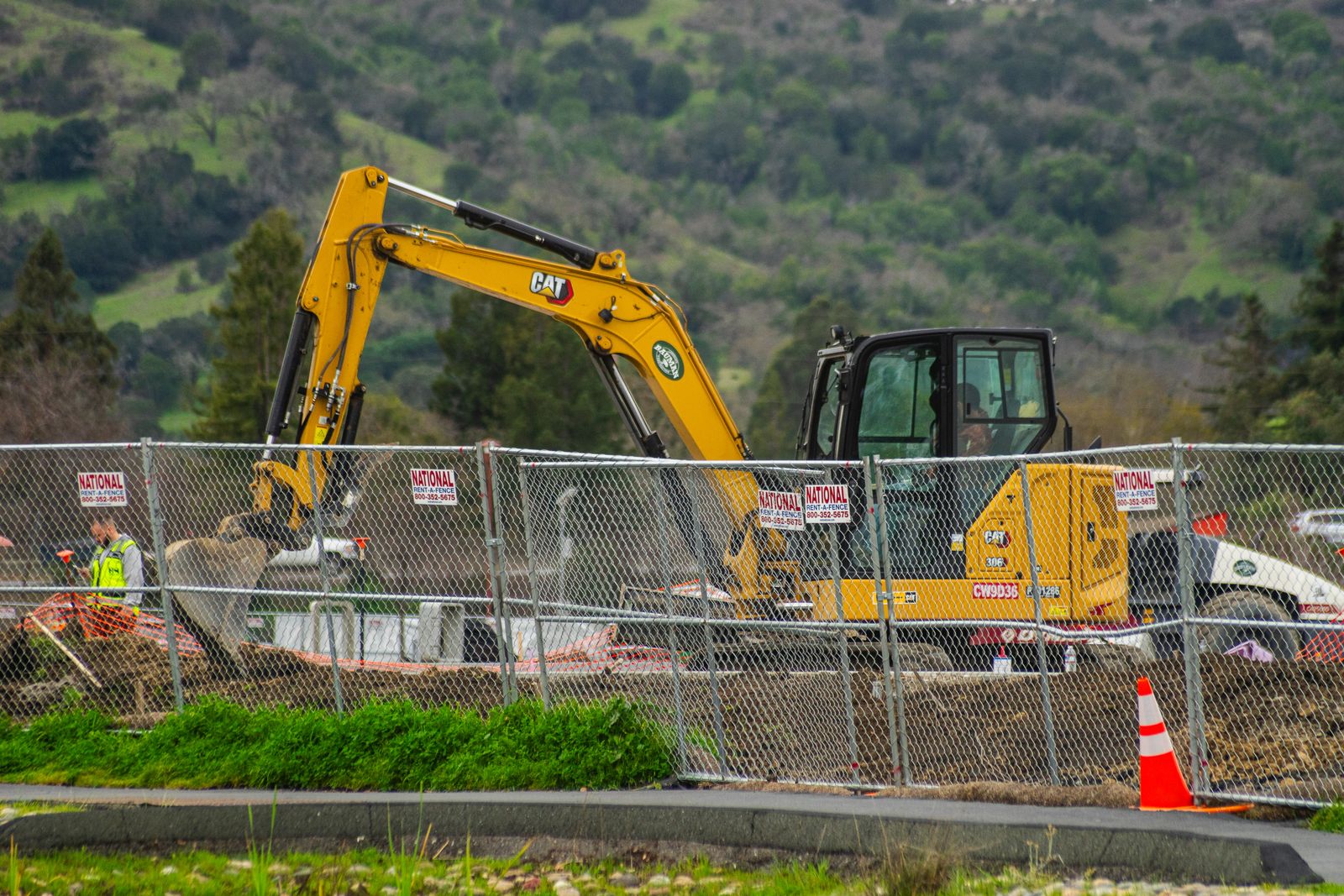
Excavation services are for homeowners who need earthwork done before a construction, drainage, or hardscape project can start — or who need site corrections on an existing property where grading, drainage paths, or soil conditions are causing problems.
You may need excavation if:
(i) A new foundation, slab, retaining wall, patio, or addition requires the site to be dug, leveled, and compacted before construction begins. (ii) Drainage is failing because the yard slopes toward the house, water pools against the foundation, or existing swales and discharge paths no longer move runoff away from the structure. (iii) Utility trenching is needed for new service lines, drainage piping, or subsurface connections that require controlled-depth digging with proper backfill. (iv) The existing grade has shifted, settled, or eroded enough that the property needs meaningful soil correction before it can support other improvements.
Cornerstone operates as the excavation contractor within the Restoration, Waterproofing and Structural Services family. Our role is the earthwork itself — digging, grading, trenching, compaction, backfill, and spoil handling. Geotechnical engineering, land surveying, and licensed utility installation are handled by the specialists those scopes require, and we coordinate with them when your project calls for it.
2. What the Work Covers
Excavation is not one job — it is a category of earthwork that changes shape depending on what the site needs and what is being built next. The scope depends on soil conditions, depth, access, and which follow-on trade or project the excavation supports.
Work that falls inside this scope:
(i) Rough and finish grading to establish drainage slope, level building pads, and correct surface-water flow patterns across the yard or around the structure. (ii) Trenching for drainage piping, drain tile systems, downspout discharge lines, and utility-support routes at controlled depth and grade. (iii) Foundation excavation for footings, slabs, additions, and below-grade structures where the dig must reach specified depth with stable, compacted bearing surfaces. (iv) Soil removal, import, and replacement when existing material is unsuitable — organics, uncontrolled fill, saturated clay, or debris that cannot support the intended load. (v) Backfill and compaction after foundation work, drainage installation, or utility placement, with material selected and placed to meet the structural or drainage requirements of the project. (vi) Drainage swale construction, berms, and surface-water redirection where the property needs grade-based runoff control without subsurface piping.
Work that falls outside this scope:
(i) Geotechnical engineering, soil testing, and bearing-capacity analysis — these require a licensed geotechnical engineer whose report informs excavation depth, compaction requirements, and material specifications. (ii) Land surveying and boundary or elevation certification — these require a licensed surveyor and are typically completed before excavation begins. (iii) Licensed utility installation — gas, water, sewer, and electrical connections are installed by the appropriate licensed trades; excavation provides the trench and backfill support. (iv) Environmental remediation — contaminated soil, underground storage tanks, and hazardous material handling require environmental specialists.
Representative project conditions along the Wasatch Front:
(i) Lake Bonneville clay — the dense, alkaline clay that covers much of Davis, Weber, and Salt Lake counties absorbs water slowly, expands significantly when wet, shrinks when dry, and resists compaction unless it is processed in controlled lifts. This shrink-swell behavior is one of the most common reasons excavation work on the Wasatch Front takes more planning than the same project would on sandy or loam soils. (ii) Rocky alluvium on bench properties — as sites move east toward the foothills, soil transitions to quartzite and limestone fragments mixed with sandy gravel. Upper-bench lots frequently hit solid rock within three feet, which changes equipment needs, production rates, and cost. (iii) Frost-line depth — minimum frost depth across Davis, Weber, and Salt Lake counties is typically 30 inches. Any footing, pier, or below-grade structure must reach below that line. Clay holds water and freezes more aggressively, so actual excavation depth often exceeds the minimum. (iv) High water tables in lower-elevation areas — properties near the Great Salt Lake, Farmington Bay, and low-lying areas in western Davis County can encounter groundwater within a few feet of grade during spring snowmelt, which affects trench stability, dewatering requirements, and backfill timing.
3. Scope Options
This page covers three primary categories of residential excavation. Most projects involve one category; larger projects may combine two or all three.
3.1 Site Preparation and Grading
Site prep is the earthwork that shapes the property before construction begins. This includes clearing vegetation and debris from the work area, establishing rough grade for drainage and building-pad elevation, cutting and filling to level slopes or create flat working surfaces, and finish grading after construction to establish final drainage flow and restore the yard surface. Grading corrections also apply to existing properties where settlement, erosion, or poor original grading is directing water toward the foundation instead of away from it.
3.2 Trenching and Below-Grade Support
Trenching is controlled-depth excavation for specific subsurface installations. Common residential trenching scopes include drain tile and foundation drainage piping, downspout discharge lines routed away from the structure, utility support trenches for water, sewer, gas, or electrical service (with installation by the appropriate licensed trade), and retaining wall footings where the wall foundation must sit below frost line on compacted bearing material. Trench width, depth, sidewall stability, bedding material, and backfill method all depend on what the trench is supporting. A drain tile trench at four feet does not use the same approach as a utility trench at six inches.
3.3 Foundation and Structural Excavation
Foundation excavation is the deepest and most specification-driven category. This work supports new construction footings and slabs, addition foundations that must tie into existing structures, below-grade walls and basement-level access, and pier or post-hole excavation for decks, pergolas, and structural supports. Foundation excavation typically requires the tightest tolerances — the bottom of the dig must be level, at the correct depth, and sitting on material that can carry the structural load. When a geotechnical report specifies bearing capacity, compaction density, or material replacement, those specifications govern how the excavation is performed and verified.

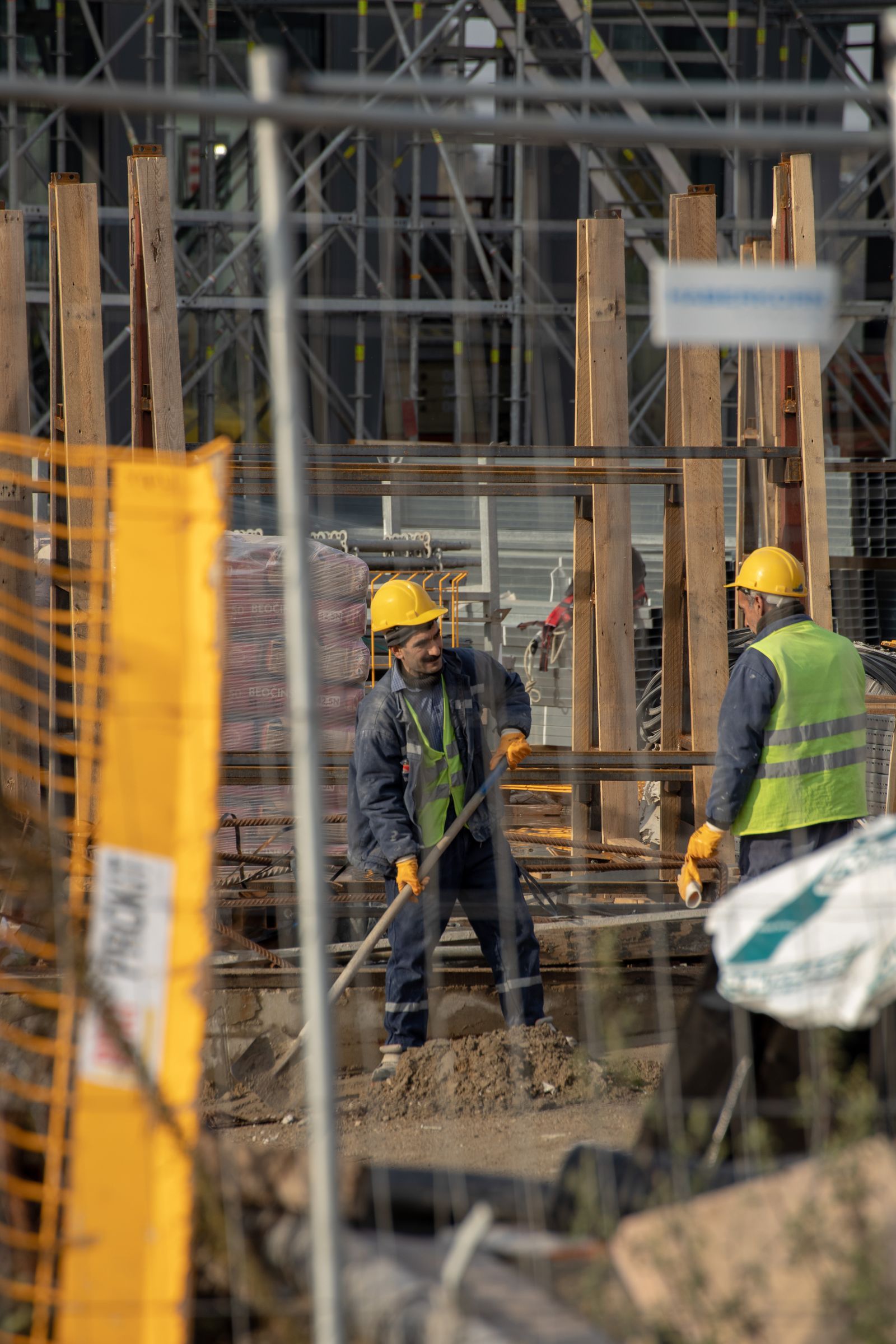
4. What to Have Ready
The more site information available before the estimate visit, the more accurate the initial scope and pricing conversation will be. These are the inputs that affect how excavation work is planned:
(i) What the excavation supports — knowing whether the earthwork is for grading, drainage, a foundation, a retaining wall, a slab, or utility access determines depth, tolerance, and equipment needs. If the excavation is part of a larger project, share the overall scope so the earthwork can be sequenced correctly. (ii) Blue Stakes utility locate — Utah law requires a Blue Stakes 811 utility locate request at least three business days before any excavation begins. Markings are valid for fourteen calendar days. We coordinate this as part of the project, but if you have already requested a locate or have utility records, those help during the estimate. (iii) Site access and equipment path — gate widths, fence lines, slope, neighboring structures, overhead lines, and driveway limitations all affect which equipment can reach the dig area. Tight residential lots often require smaller machines with longer cycle times. (iv) Existing hardscape and landscaping — patios, walkways, retaining walls, irrigation lines, mature trees, and garden structures in the work zone or equipment path may need to be removed, protected, or restored after excavation. Identify anything you want preserved. (v) Soil and site history — if you know the soil type (clay, rock, fill), whether the property has flooded, whether previous work was done in the same area, or whether any environmental conditions exist, share that information early. On the Wasatch Front, soil can change significantly within the same lot. (vi) Plans, surveys, or engineering reports — if the project has architectural drawings, a geotechnical report, a surveyor's plat, or a grading plan, bring those to the estimate conversation. They define the excavation specifications and reduce the assumptions we need to make.
5. What Affects Cost and Schedule
Excavation estimates vary more than most residential services because the variables are underground and not fully visible until work begins. These factors drive the estimate:
(i) Soil conditions — dense clay, rocky hardpan, cobble, or saturated soil all increase equipment time and may require material replacement. A valley-floor lot in Layton with uniform clay excavates differently than a bench property in North Ogden with rock at three feet. (ii) Depth and volume — a 12-inch grading cut across a yard is a different scope than a six-foot foundation trench around a perimeter. Deeper digs require more equipment time, more spoil handling, and more backfill. (iii) Access — equipment size is limited by what can reach the work area. Tight lots, steep driveways, narrow side yards, and fenced backyards often require compact equipment that moves slower than full-size machines. (iv) Haul-off and import — if excavated soil cannot be reused on site, it must be loaded and hauled to a disposal site. If replacement material (structural fill, drain rock, bedding sand) must be imported, the truck access and material cost add to the scope. (v) Compaction requirements — structural fills, foundation pads, and retaining wall bases require compaction testing and verification. Lifts must be placed and compacted in layers, not dumped and packed. Clay soil is especially sensitive to moisture content during compaction. (vi) Companion work — excavation rarely stands alone. If the project also involves foundation repair, drain tile installation, concrete flatwork, demolition, or framing, the excavation scope is shaped by what comes next and what came before. Combining earthwork phases on the same mobilization is usually more efficient than separating them. (vii) Weather and season — frozen ground in winter, saturated clay in spring, and dry-season dust management all affect production rates and scheduling. Wasatch Front freeze-thaw cycles — over 150 per year — can disrupt partially completed excavation if the work is not protected or timed correctly.
We do not quote excavation by the hour or by generic square footage. Every estimate is based on the actual site, the actual soil conditions we can observe, and the actual scope the earthwork supports. Where conditions are uncertain — rock depth, water table, buried debris — we identify those risks in the estimate so you understand what could change the scope during the work.
6. How the Work Moves Forward
Excavation follows a sequence that protects both the site and the project it supports. Here is how we typically move through the process:
6.1 Site visit and scope definition. We walk the property, review plans or project goals, assess access and soil conditions, and define what the excavation needs to accomplish. If the earthwork supports another phase — drainage, foundation, flatwork — we confirm the specifications that govern depth, grade, and material before digging begins.
6.2 Utility locate and site protection. Before any equipment enters the site, a Blue Stakes 811 locate is completed and all marked utilities are identified. We establish equipment access paths, protect structures and landscaping outside the work zone, and confirm the dig plan against the marked utility positions.
6.3 Excavation and earthwork. Digging, trenching, grading, or soil removal is performed according to the project specifications. Spoil is either stockpiled on site for reuse or loaded for haul-off. If the excavation exposes unexpected conditions — rock, water, buried debris, unmarked utilities — we stop, assess, and communicate the change before proceeding.
6.4 Backfill, compaction, and grade establishment. After the supported work is complete (drainage piping, footings, utility placement), trenches and excavations are backfilled with the specified material and compacted in controlled lifts. Finish grade is set to direct surface water away from the structure and establish the intended drainage pattern.
6.5 Site restoration and handoff. Equipment is removed, access paths are restored, and the site is left ready for the next phase — whether that is concrete, landscaping, or simply a corrected grade. If the excavation is part of a larger project we are managing, the handoff to the next trade is coordinated directly.
Responsibility boundaries: Cornerstone performs the earthwork, grading, trenching, backfill, and compaction. Geotechnical engineering, compaction testing and certification, licensed utility connections, land surveying, and environmental remediation are performed by the specialists those scopes require. When your project needs those services, we coordinate scheduling so the work flows in the right order without gaps or conflicts between trades.
7. Where We Work
Cornerstone provides excavation services across Davis, Weber, and Salt Lake counties — the primary service area where we maintain equipment, crews, and material sources. Roy is our home base, with regular project coverage throughout Layton, Clearfield, Syracuse, Kaysville, Farmington, Ogden, North Ogden, Bountiful, Centerville, and surrounding communities.
We consider excavation projects elsewhere in Utah when the scope and project economics fit. If your property is outside the primary counties, reach out with the project details and we will confirm whether it is a fit.
8. Related Services
Excavation often connects directly to other services in the Restoration, Waterproofing and Structural Services family and across the broader service menu:
(i) Foundation Repair — excavation around an existing foundation to expose footings, install piers, or access below-grade walls for structural correction. (ii) Drain Tile and Foundation Drainage — trench excavation for perimeter drain systems, discharge routing, and drainage corrections around the foundation. (iii) Basement Waterproofing — exterior excavation to expose foundation walls for waterproofing membrane application, drainage installation, and backfill. (iv) Demolition Services — site clearing, structure removal, and debris handling that often precedes or overlaps with excavation on larger projects. (v) Construction — foundation and pad excavation for new construction projects, additions, and structural builds. (vi) Framing — excavation for footings and below-grade supports that must be complete and inspected before framing begins. (vii) Disaster Restoration — emergency site stabilization and earthwork when storm damage, flooding, or structural failure requires immediate ground-level intervention. (viii) Water Damage Restoration — drainage corrections and grading work that address the site conditions contributing to water intrusion. (ix) Concrete Services — pad preparation, subgrade compaction, and form-ready grading for slabs, footings, and flatwork. (x) Exterior and Outdoor Services — retaining walls, patios, decks, and hardscape features that require site preparation before installation. (xi) Interior Remodeling and Finish Services — when remodeling projects involve below-grade access, basement-level changes, or foundation-adjacent work.
9. Frequently Asked Questions
What usually affects excavation cost the most?
Soil conditions and depth are the two largest variables. Dense Wasatch Front clay or rocky bench soil increases equipment time and may require material replacement. Depth multiplies every other factor — spoil volume, backfill quantity, sidewall stability, and equipment requirements all scale with how deep the dig goes. After soil and depth, the next biggest factors are site access (tight lots limit equipment size), haul-off requirements (soil that cannot stay on site must be trucked out), and whether the excavation is part of a larger project where multiple earthwork phases can share the same mobilization.
Why does excavation often need to be coordinated with other services?
Because excavation is almost never the final product — it creates the conditions for the next phase. A foundation trench has to be dug to the right depth and bearing surface before footings are poured. A drainage trench has to be graded to the right slope before pipe is laid. A building pad has to be compacted to specification before a slab is formed. If the excavation and the follow-on trade are not coordinated on timing, specifications, and inspection requirements, the result is either rework or a finished project built on ground that was not properly prepared. On projects involving multiple below-grade scopes — drainage, utilities, foundation work — sequencing determines whether each trade has the access and conditions it needs without undoing the work of the trade before it.
Do I need to arrange the Blue Stakes utility locate myself?
You can, but we typically coordinate the Blue Stakes 811 request as part of the project. Utah law requires the locate to be completed at least three business days before excavation begins, and the markings remain valid for fourteen calendar days. We confirm all marked utility positions before equipment enters the site and hand-dig within the required safety zone around marked lines.
What happens if you hit rock or unexpected conditions during excavation?
We stop, assess the condition, and communicate the change before proceeding. Rock, high water, buried debris, unmarked utilities, and soil that differs from what was visible at the surface are all possibilities on Wasatch Front properties. When unexpected conditions change the scope, we explain what we found, how it affects the work, and what the revised approach and cost look like before moving forward. The estimate identifies known risk areas so surprises are minimized, but below-grade work always carries some uncertainty.
Can excavation be done in winter along the Wasatch Front?
It depends on the scope and conditions. Frozen ground is harder to dig and increases equipment time and wear. More importantly, clay soil that is frozen or saturated from snowmelt cannot be properly compacted, which means structural fills and foundation pads may need to wait for conditions that allow compaction testing to pass. Trenching and grading work is sometimes feasible during winter, but foundation excavation and compaction-critical scopes are often better scheduled for conditions when the soil can be processed correctly. We assess seasonal feasibility during the estimate.
How do I know whether my project needs excavation or just surface grading?
Surface grading reshapes the top few inches of soil — adjusting slope, leveling low spots, and redirecting surface runoff. Excavation goes deeper and involves removing, replacing, or restructuring soil to support a specific below-grade installation or structural requirement. If the project involves footings, drainage piping, retaining wall foundations, utility trenches, or below-grade access, it needs excavation. If the yard just needs better slope for surface drainage, grading may be sufficient. During the estimate visit, we assess the site and recommend the right approach based on what the ground actually needs to support.
10. Start an Estimate Conversation
Call or text 801-389-3161 to describe the excavation scope and site conditions. Email info@cornerstoneconstructionremodeling.com with the project location, what the excavation supports, site photos, and any plans or reports you have. You can also use the contact page to request a free estimate.
We respond to inquiries the same day during normal availability. The initial conversation covers what the excavation needs to accomplish, what site conditions are visible, and whether the scope connects to other work that should be planned together.