Deck Services in Northern Utah — Construction, Repair, and Composite Upgrades
Deck services cover the structure itself — framing, footings, decking surface, railings, and stairs. Whether you need a new deck built, an aging deck repaired, boards replaced, railings upgraded, or a switch from wood to composite, this page explains what the work involves, what affects the estimate, and how to start the conversation.
Cornerstone Custom Construction and Remodeling is based in Roy, Utah, with 15+ years in business and an S220 Carpentry Contractor and Handyman classification. Deck framing, construction, and finish work fall directly within our carpentry trade scope.
Call 801-389-3161, email info@cornerstoneconstructionremodeling.com, or request a free estimate to start a deck conversation.
Who Deck Services Are For
This page fits homeowners and property owners who need deck-focused work:
(i) Building a new deck — you need a ground-up structure with footings, framing, decking surface, stairs, and railings designed for the yard, the house connection, and the intended use.
(ii) Repairing an existing deck — boards are soft, stairs feel loose, railings move, or visible wear is raising questions about what is happening underneath the surface.
(iii) Replacing deck boards or railings — the framing is still sound, but the surface, the railing system, or both need to be swapped for safety, appearance, or material performance.
(iv) Upgrading to composite — the current wood deck is wearing out faster than expected and you want a material that handles Utah's freeze-thaw cycles, UV exposure, and snow loads without annual restaining.
Deck-and-patio combinations. If your project involves both a deck structure and a patio surface planned together, the Deck and Patio Services page covers combined outdoor-living layouts. This page is for deck-only work.
Role boundary. Cornerstone handles deck framing, construction, repair, and finish work. Electrical wiring for deck lighting, gas lines for outdoor features, and engineering for unusual structural conditions are coordinated with the appropriate licensed trades when needed.
What Deck Services Include
Included in this service family:
(i) New deck construction — footings, posts, beams, joists, ledger attachment, decking surface, stairs, railings, and trim (ii) Deck repair — targeted fixes for soft boards, damaged framing members, loose connections, failing stairs, and unsafe railings (iii) Deck board replacement — removing worn surface boards and installing new decking on a sound existing frame (iv) Deck railing replacement — removing old railings, posts, and stair guards and installing a replacement system (v) Composite deck installation — new composite builds or resurfacing an existing frame with composite decking and railing (vi) Stair and landing construction — new stairs, stair replacement, landing framing, and code-compliant riser and tread work (vii) Demolition and removal of existing deck structures when replacement or rebuild is the right path
What this service does not include:
(i) Combined deck-and-patio projects — see Deck and Patio Services (ii) Concrete footings beyond standard deck post bases — see Concrete Services for larger flatwork (iii) Retaining walls adjacent to deck areas — see Retaining Wall Services (iv) Fencing tied to deck perimeters — see Fence Services
Representative project conditions. Deck projects range from a single railing replacement to a full multi-level construction with composite decking, integrated stairs, and built-in features. Scope depends on whether the project is repair, replacement, or new construction — and on the structural condition of any existing deck.
Deck Service Paths
This family groups five focused service paths. Each has its own page with deeper detail:
1. Composite Decks — New composite deck builds and resurfacing existing frames with composite materials. Composite performs well in Utah's climate because it resists freeze-thaw damage, UV fading, and moisture absorption without annual sealing or staining. This path is for homeowners choosing composite as their decking material.
2. Deck Board Replacement — Surface-only replacement for decks where the framing is sound but the boards are worn, splintering, soft, or visually past their useful life. Board replacement avoids the cost of a full rebuild when the structure underneath still has years of service left.
3. Deck Construction — Ground-up deck building — footings, framing, surface, railings, stairs, and trim. This is the path for homeowners who do not have an existing deck or whose current deck needs full demolition and replacement rather than repair.
4. Deck Railing Replacement — Railing, post, and stair-guard replacement for decks where the railing system is loose, damaged, out of code, or visually mismatched. Railing replacement can be done independently when the deck surface and frame are still in good condition.
5. Deck Repair — Targeted correction for localized issues — soft boards, loose railings, failing stair treads, damaged joist hangers, and other problems that do not require a full rebuild. Repair makes sense when the deck is structurally sound overall and the damage is limited to specific areas.
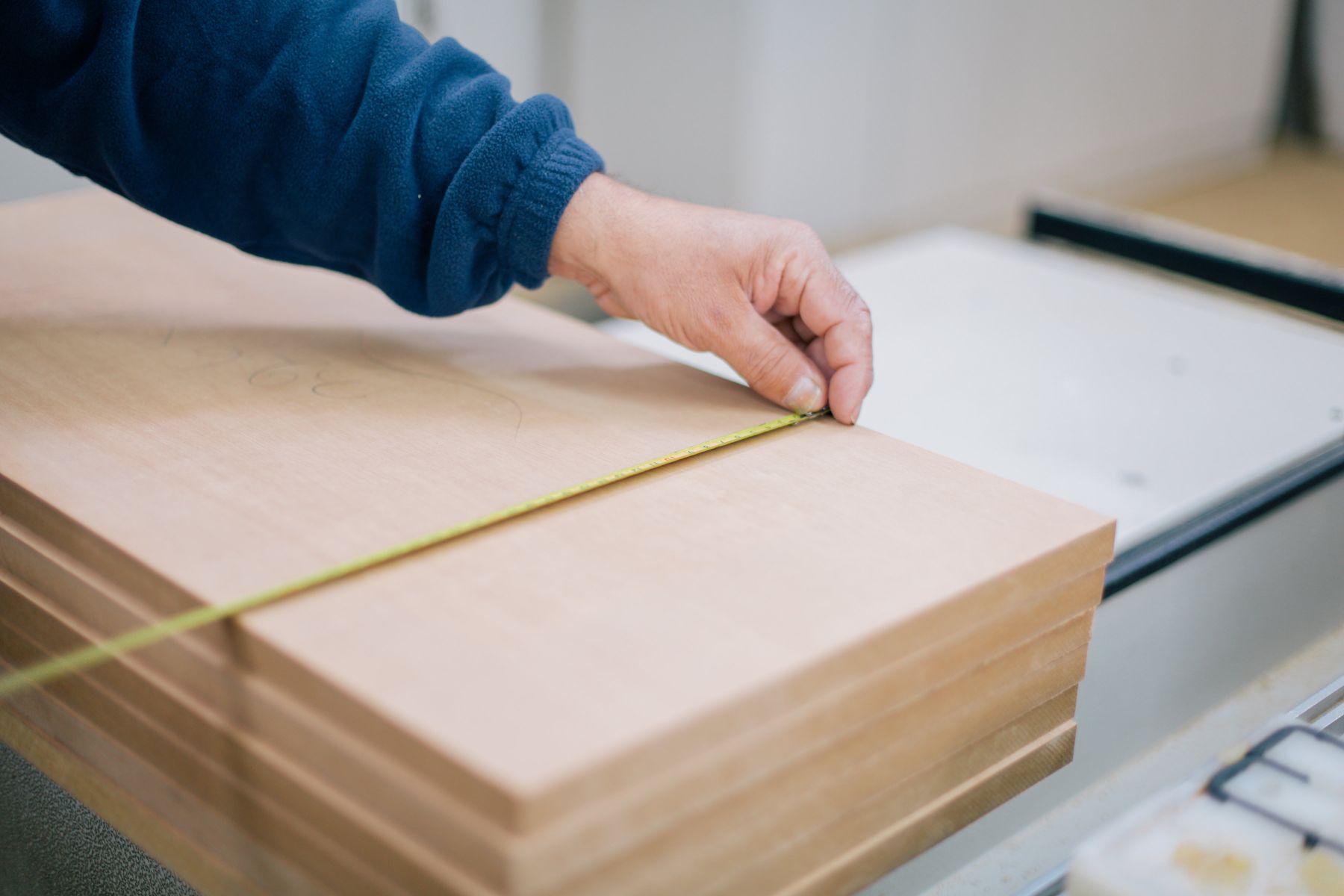
What to Have Ready Before the Estimate
Gathering this information before you call helps us evaluate the project accurately:
Property and site: (i) Property address and city or ZIP code (ii) Yard slope and grade direction where the deck sits or will be built (iii) Access path for materials — side yard, gate width, distance from driveway to deck location (iv) Setback and property-line proximity if the deck is near a boundary
Project scope: (i) Whether the project is new construction, repair, board replacement, railing replacement, or a composite upgrade (ii) Approximate deck size — length, width, and current or planned height above grade (iii) Material preference — pressure-treated wood, cedar, composite, or undecided (iv) Stair count and configuration — straight run, L-shape, or wrap (v) Built-in features — benches, planters, lighting rough-in, or pergola attachment points
Existing deck conditions (for repair and replacement): (i) Age of the current deck if known (ii) Visible issues — soft or splintering boards, loose railings, wobble, stair problems, discoloration, or visible rot (iii) Whether framing is visible and accessible from below (iv) Photos of the deck surface, underside framing, stairs, railings, and the house connection point
What Affects the Estimate
Deck quotes are shaped by six main factors. None of these determines the price alone — they interact:
1. Deck height and substructure complexity. Elevated decks require taller posts, deeper footings, cross-bracing, and more labor for safe framing. A ground-level deck on simple footings and a second-story deck with 10-foot posts are fundamentally different projects. Height is typically the single largest cost driver.
2. Size and layout. Square footage sets the baseline material and labor quantity. Multi-level layouts, angled sections, curved edges, and picture-frame borders add framing complexity and cutting waste beyond what a simple rectangle requires.
3. Material selection. Pressure-treated pine is the lowest initial cost. Cedar costs more but handles Utah's UV and dry air better than pine. Composite costs more upfront but eliminates annual staining and typically outlasts wood by a wide margin in Northern Utah's freeze-thaw climate — over 120 cycles per year along the Wasatch Front. Material choice is a performance decision as much as a cost one.
4. Railing system. Railing is required by code for decks more than 30 inches above grade. Wood railings cost the least. Composite, aluminum, cable, and glass panel systems each carry different material and labor costs. Railing typically accounts for a meaningful portion of the total project.
5. Demolition and existing conditions. Tear-out of an old deck, disposal, and any repair needed at the ledger connection or house attachment point add scope before new construction begins. If hidden framing damage is found during demolition, the repair scope can expand.
6. Stairs, features, and site access. Stair count and configuration, built-in benches or planters, lighting prep, skirting, and how easily materials can reach the build site all affect labor and scheduling.
How the Work Moves Forward
Step 1 — Estimate conversation. You share the project details — photos, approximate size, material preference, and whether it is new construction, repair, or replacement. We review fit with the current schedule, service area, and scope, then schedule a site visit if the project qualifies.
Step 2 — Site evaluation. We measure the deck area, check framing condition on existing decks, assess yard grade and drainage, confirm footing locations, and review the house connection. For repair projects, this step determines whether targeted repair or a larger rebuild is the better path.
Step 3 — Scope and estimate. Based on the site evaluation, we define the work — footings, framing, decking, stairs, railings, demolition, and any adjacent prep. The estimate reflects the actual conditions, not a generic per-square-foot number.
Step 4 — Construction. Demolition and site prep come first when an existing deck is being removed. Footings are set, framing goes up, decking is installed, stairs and railings are built, and trim and detail work close out the structure. Each stage follows the previous one in sequence — framing has to be complete and inspected before surface work begins.
Step 5 — Final review. We walk the finished deck with you to confirm the work matches the agreed scope, check railing and stair connections, and address any remaining detail items.
Responsibility boundary. Cornerstone handles the carpentry, framing, and finish construction. Electrical work for deck lighting, gas connections, and engineering review for unusual load or span conditions are coordinated with licensed trades when the project requires them.
Where We Work
Cornerstone is based in Roy, Utah. Our primary service area covers Davis County, Weber County, and Salt Lake County. Deck projects elsewhere in Utah may be considered when the scope, schedule, travel, and overall project economics fit.
Check local coverage in Roy for the service-area overview.
Related Services
Within the Exterior and Outdoor Services family: Deck and Patio Services — combined outdoor-living projects involving both deck structure and patio surface Fence Services — perimeter fencing, gates, and privacy screens Concrete Services — flatwork, footings, patios, and slabs Retaining Wall Services — grade-change walls and structural retention Roofing | Siding Services | Window and Door Services | Gutter Services | Masonry Services | Chimney and Fireplace Services | Asphalt and Paving Services | Irrigation and Sprinkler Services
Other service families: Exterior and Outdoor Services — full exterior category New Construction Projects | Interior Remodeling and Finish Services | Restoration, Waterproofing and Structural Services
All Services — return to the full services overview
Frequently Asked Questions
How do you decide between deck repair and a full rebuild? The decision starts with the framing. If the joists, beams, posts, and ledger attachment are structurally sound and the damage is limited to surface boards, railings, or isolated areas, repair usually makes sense. When framing members are soft, connections are failing, the ledger is compromised, or damage is widespread across the structure, a full rebuild is typically the better long-term path. As a general guideline, if repair costs approach half the cost of a new deck, rebuilding often delivers more value because you get a complete new structure with a full service life ahead of it.
What usually moves the price of a deck project the most? Deck height and material selection are the two biggest factors. An elevated deck requires deeper footings, taller posts, cross-bracing, and significantly more framing labor than a ground-level build of the same square footage. Material choice has a similar impact — composite costs more upfront than pressure-treated wood but eliminates the annual staining, sealing, and board replacement cycle that accumulates cost over time, especially in Northern Utah where freeze-thaw, snow loads, and high-altitude UV break down wood faster than in milder climates. After height and material, the next biggest variable is usually layout complexity — multi-level sections, stairs, angled framing, and built-in features all add labor and cutting beyond a simple rectangular deck.
Does Utah's climate affect which deck material performs best? Yes, significantly. Northern Utah's Wasatch Front sees over 120 freeze-thaw cycles per year — water enters wood fibers during the day, freezes and expands overnight, then thaws the next day and repeats. Over several seasons, this cycle causes cracking, warping, and splintering that shortens the life of untreated and even pressure-treated wood decks. High-altitude UV and dry air accelerate fading and surface breakdown further. Composite decking resists freeze-thaw damage, does not absorb moisture the same way, and does not require annual restaining — which is why it has become increasingly common along the Wasatch Front despite the higher upfront cost.
Get a Deck Estimate
If your deck needs repair, your railings need replacement, or you are planning a new build, we can help sort the scope and get an estimate scheduled.
(i) Call or text 801-389-3161 to start with a quick conversation about the project (ii) Email info@cornerstoneconstructionremodeling.com with photos of the deck (surface, underside, stairs, and railings), the approximate size, and whether the project is repair, replacement, or new construction (iii) Request a free estimate through the contact page and include the property address, deck material preference, and the main issue or goal
We respond to inquiries the same day during normal availability.