Chimney and Fireplace Services in Northern Utah
1. Who This Service Fits
This page is for homeowners who have a chimney or fireplace concern and are trying to determine the right scope before scheduling work. Common situations include:
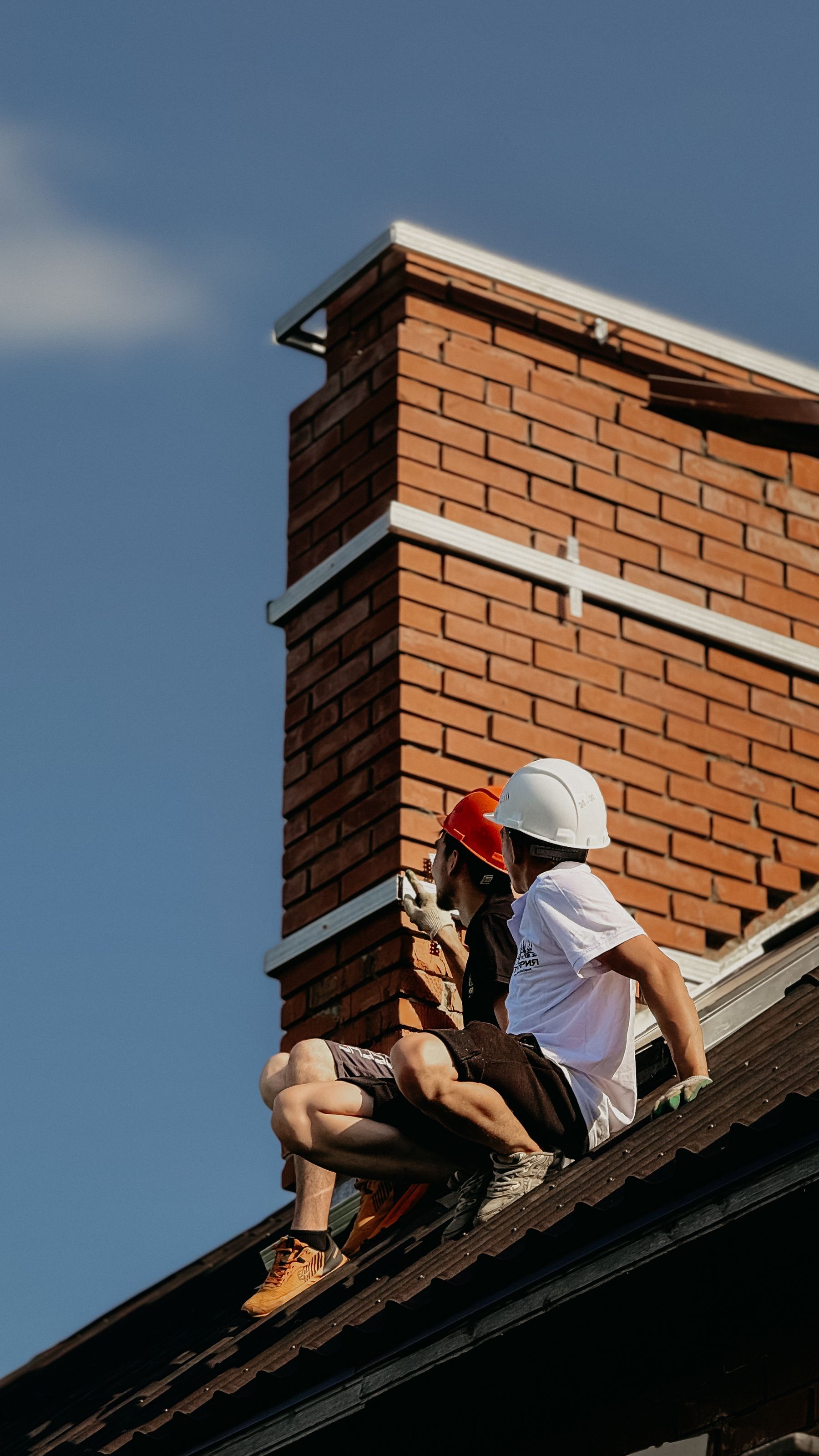
(i) The chimney is showing visible exterior damage — cracked or spalling bricks, crumbling mortar, a deteriorating crown, staining on the masonry — and you need to understand whether it is a surface repair or a structural issue.
(ii) The fireplace has not been cleaned or swept in multiple seasons, and you want the system serviced before using it again.
(iii) The chimney cap is damaged, missing, or rusted through, and water, animals, or debris are entering the flue.
(iv) The fireplace is not drafting correctly, the damper is stuck or broken, or you are seeing smoke enter the room instead of drawing up the flue.
(v) You are buying or selling a home and the chimney needs assessment as part of the transaction.
Our role in chimney and fireplace projects. We handle chimney cap replacement, chimney masonry repair, chimney cleaning and sweep work, crown and flashing repair, and fireplace-side repair including firebox, damper, and smoke chamber work. Projects that require licensed gas fitting (gas fireplace lines, gas log connections), chimney relining, or structural engineering are coordinated with the appropriate specialists — we manage the scope that falls within our trade and build around their work when additional disciplines are needed.

2. What Chimney and Fireplace Work Involves
Chimney and fireplace projects range from routine maintenance to corrective repair, and the scope depends on whether the issue is buildup and neglect, weather-driven deterioration, mechanical failure inside the fireplace, or a combination.
What falls within scope:
(i) Chimney cap replacement — removing damaged, rusted, or missing caps and installing new caps sized and fitted to the flue opening.
(ii) Chimney crown repair — patching, sealing, or rebuilding the mortar cap at the top of the chimney that sheds water away from the masonry.
(iii) Chimney flashing repair — resealing, replacing, or rebuilding the metal joint between the chimney and the roof surface that prevents water entry at the intersection.
(iv) Chimney masonry repair — tuckpointing deteriorated mortar joints, replacing spalled or damaged bricks, and addressing freeze-thaw damage to the exterior structure.
(v) Chimney cleaning — clearing debris, animal nests, soot, and obstructions from the flue, firebox, smoke shelf, and damper area.
(vi) Chimney sweep — removing creosote and soot buildup from the interior flue walls using brushes and rods, the core fire-prevention maintenance service.
(vii) Fireplace repair — firebox repointing, firebrick replacement, damper repair or replacement, and smoke chamber surface work.
What falls outside direct scope:
(i) Licensed gas fitting — gas fireplace lines, gas log set connections, and gas valve installation or repair.
(ii) Chimney relining — installing new flue liners (stainless steel, cast-in-place, or clay tile) inside the existing chimney structure.
(iii) Structural engineering — load-bearing assessment or design for chimneys with significant structural compromise.
(iv) Full chimney rebuilds above the roofline that require scaffolding and structural coordination beyond standard masonry repair.
Common conditions we see:
(i) Mortar joints that have eroded from years of freeze-thaw exposure — the mortar recedes between bricks, leaving gaps where water penetrates deeper into the structure with each season.
(ii) Chimney crowns with visible cracks that have been directing water into the masonry below for months or years before the homeowner noticed exterior damage.
(iii) Missing or rusted-through chimney caps — especially galvanized steel caps that have reached the end of their short lifespan — leaving the flue open to rain, snow, animals, and debris.
(iv) Fireplaces that have not been serviced in years, with creosote buildup in the flue, debris on the smoke shelf, and dampers that no longer open or close properly.
3. Chimney and Fireplace Service Paths
Chimney Cap Replacement
Top-of-chimney protection work for damaged, missing, or failing caps. The chimney cap covers the flue opening and keeps water, animals, and debris out of the system. It is the first line of defense against moisture entry that drives freeze-thaw damage in the masonry below. Cap materials range from galvanized steel (shortest lifespan, most affordable) to stainless steel (corrosion-resistant, lasting decades) to copper (premium, 50+ year lifespan, develops a natural patina over time). The right cap is sized and fitted to the specific flue opening and chimney configuration.
Chimney Cleaning
Maintenance cleaning for residue, debris, and long-overdue service conditions. Chimney cleaning addresses the broader system beyond the flue walls — clearing animal nests, debris accumulation on the smoke shelf, soot in the firebox, and obstructions that affect draft and safe operation. Cleaning is the right scope when the chimney has been neglected, when there are signs of animal entry, or when the system needs a full service before returning to use after an extended period.
Chimney Repair
Corrective masonry and structural work for visible deterioration, leaks, crown damage, flashing failure, and weather-driven wear. Chimney repair is the scope that addresses freeze-thaw damage, spalling bricks, failed mortar joints, cracked crowns, and compromised flashing — the conditions that worsen with every season they go unaddressed. Repair ranges from targeted tuckpointing and crown sealing to more extensive brick replacement and flashing rebuilds depending on how far the deterioration has progressed.
Chimney Sweep
Routine creosote and soot removal from the interior flue walls before or during active-use seasons. A chimney sweep uses brushes and rods to clean the flue lining where creosote — a tar-like byproduct of burning wood — accumulates over time. First-stage creosote is powdery and removes with standard brushing. Hardened or glazed creosote requires more aggressive mechanical removal. Regular sweeping is the primary fire-prevention maintenance for any wood-burning fireplace or stove.
Fireplace Repair
Interior-facing repair for the hearth feature inside the home — firebox damage, cracked or deteriorating firebricks, refractory panel issues in prefabricated fireplaces, damper malfunction, and smoke chamber surface work. Fireplace repair focuses on the components you see and interact with from inside the room, while chimney repair addresses the structure above the roofline. The two scopes frequently overlap because problems inside the fireplace and problems in the chimney above it often share the same root cause.

4. Planning Chimney and Fireplace Work
Chimney and fireplace projects carry planning inputs that most homeowners do not think about until the assessment reveals them. The system is more interconnected than the individual parts suggest, and the planning process reflects that.
System assessment before scope definition. The first step is always understanding the full condition of the chimney and fireplace before committing to a scope. A homeowner may call about a cracked crown, but the assessment may also reveal deteriorated mortar joints, a rusted cap, and creosote buildup that has not been addressed in years. Defining the right scope requires seeing the full picture first.
Chimney height and roof access. Chimney work requires safe access to the top of the structure, which means roof access. Chimney height, roof pitch, and the distance from the roof edge to the chimney all affect how the work is accessed and staged. Steeper roofs and taller chimneys require more setup for safe access.
Masonry condition and material matching. For repair work, the condition of the existing masonry determines whether the fix is tuckpointing (removing and replacing deteriorated mortar), brick replacement, or a combination. Matching the mortar color, joint profile, and brick to the existing structure matters for both appearance and structural integrity — especially on homes where the chimney is a visible architectural feature.
Seasonal timing. Chimney maintenance and cleaning are most commonly scheduled before the burning season (late summer through fall) so the system is ready when cold weather arrives. Masonry repair and crown work are best performed in warmer, dry conditions because mortar needs adequate temperature and time to cure properly. Scheduling repair work during winter freeze conditions can compromise the quality of the mortar joints.
Fireplace type. Whether the fireplace is masonry (traditional brick-built) or prefabricated (factory-built metal firebox with refractory panels) affects the repair approach. Masonry fireplaces use firebricks and refractory mortar that can be repointed or replaced individually. Prefabricated fireplaces use modular refractory panels that are replaced as complete units when cracked or deteriorated.
Overlap with other exterior work. Chimney flashing connects to the roof surface, chimney masonry is often the same brick and mortar as other exterior masonry on the home, and chimney cap and crown work happens at the roofline. When other exterior projects — roofing, masonry, or gutter work — are being planned, coordinating chimney work at the same time is usually the most efficient approach.
5. What Affects Chimney and Fireplace Project Cost
Every chimney and fireplace project is different, and these are the factors that create the widest variation between quotes. We do not publish prices because the range between a routine sweep and a multi-scope masonry repair is too wide to be useful without knowing your specific situation.
(i) Type of work — routine maintenance (sweep, cleaning) and corrective repair (masonry, crown, flashing, firebox) sit at very different price points because the labor, tools, materials, and access demands are different.
(ii) Extent of deterioration — a chimney with a few deteriorated mortar joints is a targeted tuckpointing job. A chimney with widespread spalling, a failed crown, compromised flashing, and years of deferred maintenance is a multi-scope project. The gap between those two is significant.
(iii) Chimney height and roof access — taller chimneys and steeper roof pitches require more setup time and safety staging. Chimneys that are difficult to reach from the roof edge add access complexity that affects labor.
(iv) Material matching — mortar color, joint profile, and replacement brick all need to match the existing structure. Sourcing matching materials for older or non-standard masonry takes more time and may cost more than standard materials.
(v) Cap material selection — galvanized steel caps are the most affordable but have the shortest lifespan. Stainless steel and copper caps cost more upfront but last significantly longer, which changes the long-term value calculation.
(vi) Multiple issues addressed in one visit — combining a sweep with a cap replacement, or pairing crown repair with tuckpointing, changes the total scope. Handling related issues together is usually more efficient than scheduling separate visits, but it widens the single-visit cost.
(vii) Hidden conditions discovered during assessment — damaged flue liners, interior moisture damage, structural cracking behind deteriorated mortar, or previous repair work that was done incorrectly can all widen the scope once the system is examined closely.
The estimate conversation is where we get specific. Share your address, photos of the chimney exterior and fireplace interior, and a description of the issue — whether it is maintenance, visible damage, a draft problem, or a condition you want assessed — so we can give you a realistic scope and direction.
6. How Chimney and Fireplace Projects Work
Chimney and fireplace work follows a structured sequence because the assessment determines the scope, and the scope determines which components are addressed and in what order.
Assessment. We evaluate the chimney exterior (cap, crown, flashing, masonry) and the fireplace interior (firebox, damper, smoke chamber) to understand the full condition of the system. This is where single-symptom calls often expand into multi-scope conversations — not because we are adding work, but because connected deterioration becomes visible once the assessment is thorough.
Scope definition. Based on the assessment, we define whether the project is maintenance (sweep, cleaning), targeted repair (crown sealing, tuckpointing, cap replacement), broader corrective work (extensive masonry repair, flashing rebuild, firebox restoration), or a combination. The scope is set before work begins so there are no surprises.
Material sourcing and scheduling. For repair work, matching mortar, brick, cap materials, and any firebox components (firebricks, refractory panels) are sourced before the work date. Masonry repair is scheduled for weather conditions that allow proper mortar curing.
Execution. Maintenance work (sweep, cleaning) is typically completed in a single visit. Repair work follows the sequence dictated by the scope — exterior masonry and crown work first where applicable, then flashing, then interior fireplace components. Access staging is set up and maintained throughout the project.
Post-work verification. After repair or maintenance, the system is checked for proper draft, damper function, cap fit, and visual confirmation that the repaired surfaces are sound. For masonry work, the mortar needs time to cure fully before the chimney is exposed to heavy moisture or temperature extremes.
What we handle versus what requires outside professionals. We perform chimney cap replacement, masonry repair, crown and flashing work, chimney cleaning and sweep, and fireplace-side repair. Licensed gas fitting for gas fireplaces and gas log sets, chimney relining, and structural engineering for chimneys with significant structural compromise are handled by the appropriate specialists.
7. Where We Handle Chimney and Fireplace Work
Cornerstone is based in Roy, Utah, and our primary service area covers Weber, Davis, and Salt Lake counties. Most of our chimney and fireplace projects are in these three counties, where we know the common chimney construction, local masonry materials, and the freeze-thaw exposure patterns that drive most of the deterioration we see.
We also consider chimney and fireplace projects in other parts of Utah when the scope, project economics, and travel logistics make sense for both sides. If your property is outside our primary counties, reach out and we will let you know whether it is a fit.
8. Related Services and Resources
These pages connect to work that frequently pairs with or follows chimney and fireplace projects:
(i) Masonry Services — Chimney masonry is the same trade discipline as other exterior masonry work. Tuckpointing, brick repair, and mortar matching often apply to both the chimney and other masonry features on the home.
(ii) Roofing — Chimney flashing connects directly to the roof surface, and flashing repair or replacement is most efficient when coordinated with roofing work.
(iii) Gutter Services — Gutter condition near the chimney affects how water drains around the base of the structure. Gutter and chimney work are often assessed together during exterior evaluations.
(iv) Siding Services — Siding transitions around the chimney base need proper flashing and weather sealing. Chimney repair and siding replacement frequently overlap in scope.
(v) Exterior and Outdoor Services — Full directory of exterior service categories.
(vi) Roy, Utah Services — Overview of all construction and remodeling services available in Roy.
(vii) All Services — Full directory of Cornerstone's service categories.
9. Frequently Asked Questions
What most affects a chimney or fireplace quote? The type and extent of work needed creates the widest cost variation. A routine sweep is a different scope than masonry repair requiring scaffold access and material matching. Beyond the work itself, chimney height and roof pitch affect accessibility and labor time, the condition of the masonry, cap, crown, and flashing determines whether the fix is surface-level or structural, and whether multiple issues need to be addressed in one visit changes the total scope. Routine maintenance and corrective repair sit at very different price points because the labor, tools, and access demands are different.
Why do chimney problems often turn into bigger repair conversations? Because the chimney is an interconnected system — cap, crown, flashing, masonry, flue, smoke chamber, damper, firebox — and deterioration in one component accelerates damage in others. A cracked crown lets water into the masonry. Freeze-thaw cycling opens those cracks further. By the time the damage is visible from the ground, the flashing, mortar joints, and possibly the flue liner have also been compromised. Delayed maintenance is the most common reason a single repair turns into a multi-scope project.
What is the difference between a chimney sweep and chimney cleaning? The terms are often used interchangeably, but they refer to different scopes. A chimney sweep focuses specifically on removing creosote and soot buildup from the interior flue walls using brushes and rods — the primary fire-prevention maintenance. Chimney cleaning addresses the broader system: clearing debris, animal nests, and obstructions from the flue and firebox, plus cleaning the smoke shelf, damper area, and firebox surfaces. Both are maintenance tasks, but sweep work targets the flue walls while cleaning covers the full system.
How does Northern Utah weather affect chimneys? Northern Utah's freeze-thaw cycles are one of the most damaging forces on masonry chimneys. Water enters through cracks in the crown, failed flashing, or porous mortar joints. When that water freezes, it expands roughly 9 percent, wedging cracks wider. Over multiple seasons, this cycle causes spalling — bricks flaking and breaking apart — crumbling mortar, and progressive structural deterioration that worsens each winter. Early intervention — catching cracks, maintaining the cap and flashing, sealing the crown — prevents the compounding damage that eventually requires partial or full chimney rebuilds.
Can chimney work be combined with roof or masonry projects? Yes, and it often makes sense to. Chimney flashing connects directly to the roof surface, so flashing repair or replacement is most efficient when coordinated with roofing work. Chimney masonry is the same trade discipline as other exterior masonry — combining chimney tuckpointing or brick repair with other masonry work on the property reduces mobilization and ensures consistent material matching. We look at the full exterior picture during assessment rather than treating the chimney in isolation.
10. Start Your Chimney or Fireplace Project
Call (801) 389-3161 or email info@cornerstoneconstructionremodeling.com to begin a free estimate conversation. Include your address, photos of the chimney exterior and fireplace interior, and a description of the issue — whether it is maintenance, visible damage, a draft problem, or a condition you want assessed before using the fireplace. We typically respond the same day during normal business hours.