Asphalt and Paving Services
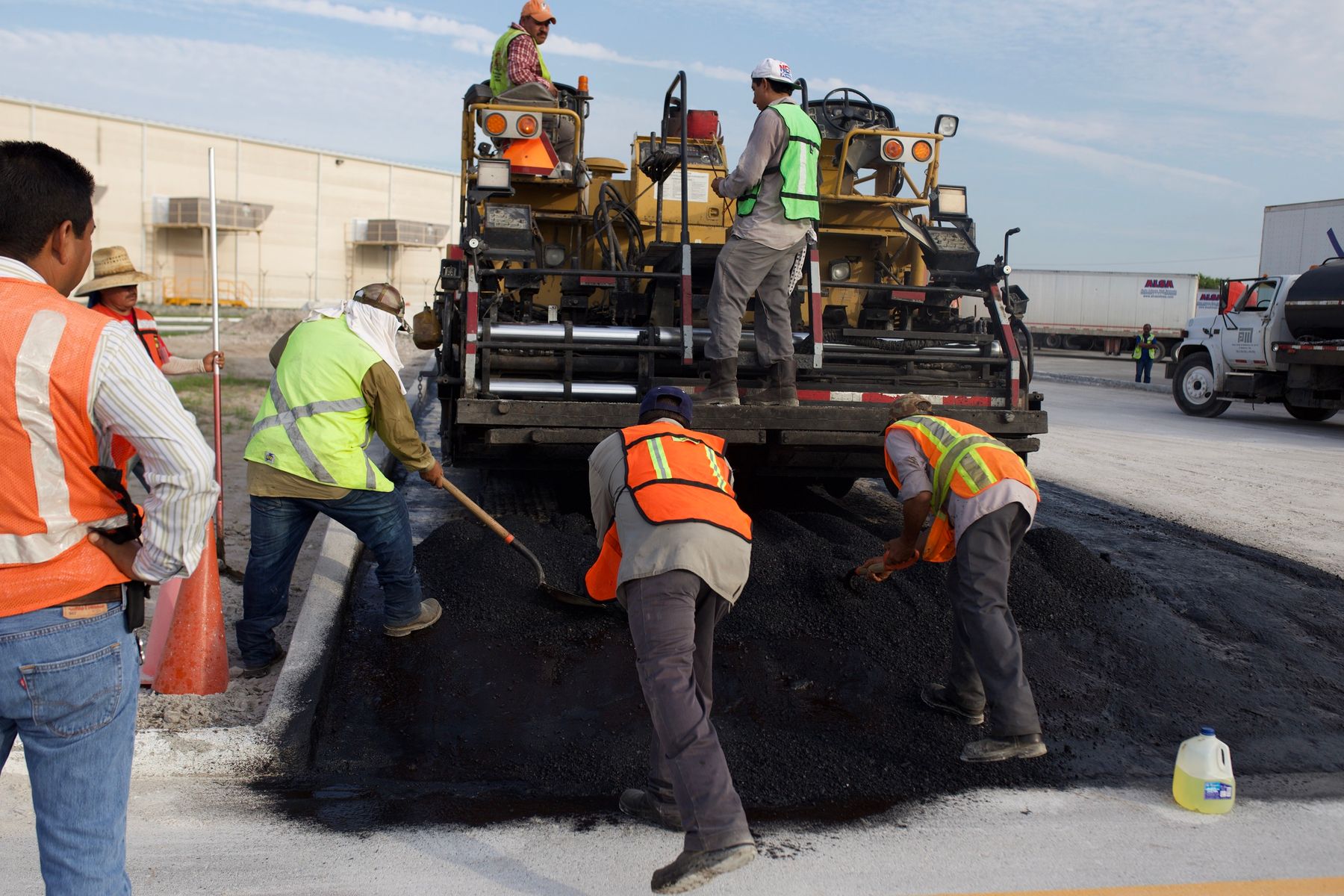
Asphalt and paving work covers the exterior surfaces that carry vehicles, handle foot traffic, and manage water runoff around your property. We evaluate every paving project from the base up — grading, subgrade condition, drainage, and edge support — because the surface layer only performs as well as what sits underneath it. Cornerstone Custom Construction and Remodeling is a Roy, Utah-based S220 Carpentry Contractor and Handyman with 15+ years of experience across residential and commercial construction, including driveway paving, asphalt repair, resurfacing, and full replacement projects throughout Davis, Weber, and Salt Lake counties.
Call us at 801-389-3161 or email info@cornerstoneconstructionremodeling.com to start a free estimate conversation.
1. Who This Service Fits
This page is for you if:
(i) Your driveway or parking area is cracking, sinking, holding water, or showing visible surface breakdown
(ii) You need a new asphalt driveway, parking pad, or access area paved from scratch
(iii) You are comparing repair, resurfacing, and full replacement and want to understand which scope fits your situation
(iv) You want a paving evaluation that starts with the base and drainage, not just a quote for the top layer
Role boundary: We evaluate the full scope — surface condition, base integrity, drainage, and access — and coordinate the work through completion. Specialty paving equipment and crews are brought in as the project requires. We manage the project from scope through finish, and you work with us directly throughout.
2. What the Work Includes
Typical scope:
(i) Driveway paving — new asphalt driveways from subgrade preparation through surface compaction and curing
(ii) Asphalt repair — patching isolated cracks, depressions, edge failures, and localized surface breakdown where the base is still structurally sound
(iii) Resurfacing — applying a new asphalt layer over an existing surface when the base remains intact and damage is primarily cosmetic or moderate
(iv) Full replacement — tear-out of failed asphalt, base correction or rebuilding, and complete repaving when the existing surface and foundation can no longer support repair
(v) Access areas and parking pads — paving for side yards, RV pads, shop entrances, and other exterior surfaces that need to carry vehicle weight
What falls outside this scope:
(i) Public road work and municipal paving
(ii) Commercial parking lot striping and line marking
(iii) Standalone sealcoating application without associated repair or paving work
(iv) Engineering and structural certification for load-bearing commercial surfaces
Common conditions we see:
(i) Alligator cracking — interconnected surface cracks that signal base fatigue, not just surface wear
(ii) Raveling — loose aggregate separating from the binder as the surface ages and oxidizes
(iii) Edge failure — crumbling or cracking along driveway edges where support, drainage, or traffic patterns are breaking down the perimeter
(iv) Standing water and ponding — low spots or inadequate slope that hold water, accelerate freeze-thaw damage, and undermine the base layer over time
(v) Settlement and depressions — areas where the subgrade has shifted or compacted unevenly, creating visible dips in the surface
3. Three Scope Options
Every paving project falls into one of three categories. The right one depends on the condition of your base, how widespread the damage is, and whether the existing surface still has structural integrity worth preserving.
3.1 Repair
Repair is the right scope when the damage is isolated and the base underneath is still sound. Crack filling, patching, and localized surface correction address specific failure points without disturbing the rest of the driveway. This works when the overall surface is still draining properly, the cracks have not connected into a network, and the base is not shifting.
3.2 Resurfacing
Resurfacing applies a new asphalt layer over the existing surface. It works when the base is structurally intact but the surface has moderate wear — fading, shallow cracking, minor roughness, or cosmetic aging. Resurfacing generally is not a fit if the base has failed, the surface has deep structural cracks, or the driveway is past the point where a new top layer can bond properly to what is underneath.
3.3 Full Replacement
Full replacement means removing the existing asphalt down to the subgrade, correcting the base, and paving a completely new surface. This is the scope when cracking is widespread, the base has settled or washed out, drainage is compromised, or the pavement is old enough that repair and resurfacing would only produce a short-term result. Replacement addresses the root cause — the foundation — and builds a surface designed to perform for the long term.
4. Planning Inputs
These are the factors we evaluate before recommending a scope or quoting a project. Every paving job is different, and understanding these conditions up front prevents the wrong scope, unexpected costs, and early failure.
4.1 Existing surface condition
The current state of the asphalt — crack patterns, depth, edge integrity, surface texture, and flexibility — determines whether the driveway is a candidate for repair, resurfacing, or replacement.
4.2 Base and subgrade quality
Everything rides on the base. If the subgrade has shifted, eroded, or was never properly compacted, the surface will fail regardless of how new the asphalt is. We assess the base before recommending any surface-level work.
4.3 Drainage and grading
Asphalt needs a consistent slope — typically a slight grade away from structures — to shed water and prevent ponding. Poor drainage is one of the biggest contributors to freeze-thaw damage in Utah's climate, where water enters cracks, freezes, expands, and widens the damage with every cycle through the winter.
4.4 Utah freeze-thaw and seasonal timing
Northern Utah's climate cycles between hot, dry summers that oxidize the asphalt binder and freezing winters that exploit every crack where water has entered. Paving is best scheduled during dry, moderate weather — typically late spring through early fall — when temperatures support proper asphalt compaction and curing.
4.5 Equipment access
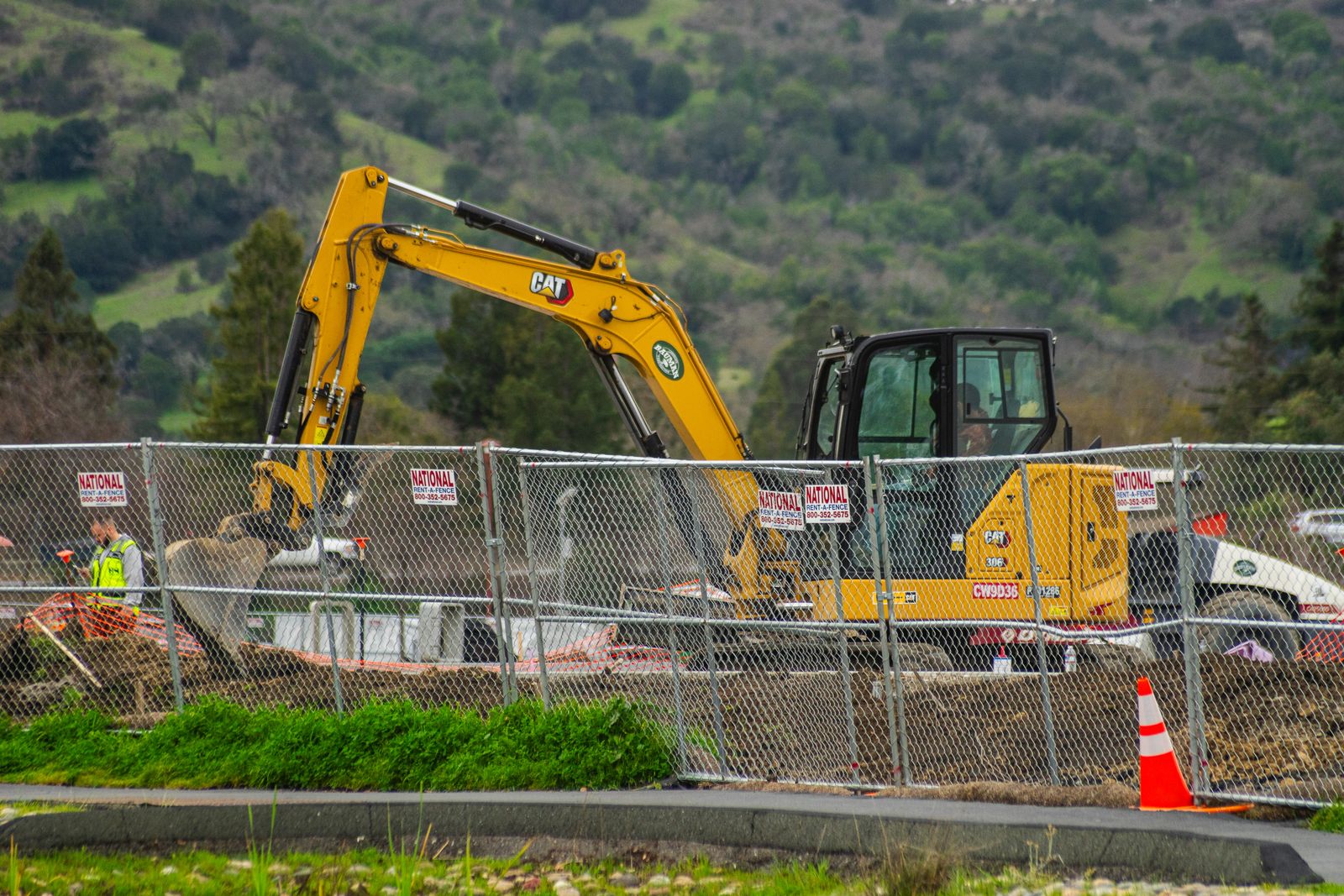
Paving equipment needs room to operate. Tight driveways, narrow side yards, overhead obstructions, and limited staging areas all affect how the work is planned and sequenced.
4.6 Tie-ins to adjacent surfaces
Where the driveway meets the garage floor, sidewalks, curbing, or street apron, the transition has to be graded and finished cleanly. These tie-in points affect both the scope and the final appearance.
5. What Affects the Cost
We do not quote prices on this page because every paving project depends on site-specific conditions. These are the factors that move the number:
(i) Total square footage of the paved area
(ii) Asphalt thickness — residential driveways typically need adequate thickness for passenger vehicles, while heavier-use surfaces require more
(iii) Base preparation scope — whether the existing base is sound, needs correction, or must be rebuilt entirely
(iv) Old surface removal — tear-out and haul-off of existing asphalt adds to the project when replacement is the right scope
(v) Drainage and grading correction — resloping, adding drainage channels, or correcting runoff patterns that are contributing to surface failure
(vi) Equipment access and staging — tight or complex sites require adjusted approaches that affect labor and scheduling
(vii) Scope category — repair, resurfacing, and full replacement each carry different material, labor, and equipment requirements
6. How the Work Is Sequenced
A properly executed paving project follows a specific order. Skipping or rushing steps — especially in base preparation — is where most paving failures originate.
6.1 Site preparation and old surface removal
The area is cleared of vegetation, debris, and any existing failed surface material. If tear-out is required, the old asphalt is broken up and hauled away to expose the subgrade.
6.2 Grading and slope establishment
The exposed ground is graded to create the correct slope for water drainage. Even a slight grade prevents ponding, which is especially critical in Utah where standing water turns into freeze-thaw damage by winter.
6.3 Subgrade evaluation and compaction
The subgrade soil is assessed for stability and compacted to create a firm, uniform foundation. Soft spots, organic material, and unstable soil are addressed before any aggregate goes down.
6.4 Base layer installation
A layer of crushed aggregate is installed and compacted in lifts. This base layer provides the load-bearing structure that the asphalt surface depends on. The thickness and number of lifts depend on soil conditions and expected traffic load.
6.5 Asphalt application and compaction
Hot-mix asphalt is applied and compacted using roller equipment to achieve the specified thickness and density. Proper compaction during this stage directly affects how long the surface lasts and how well it resists cracking.
6.6 Curing
Fresh asphalt needs time to fully cure and harden before it handles regular traffic. The curing period depends on temperature, thickness, and weather conditions.
Responsibility boundaries: We manage scope evaluation, project coordination, and quality oversight through completion. Specialty paving crews and equipment operators work under our coordination. Engineering, structural certification, and municipal permitting for public right-of-way work are outside our scope and handled by the appropriate professionals.
7. Where We Work
We are based in Roy, Utah, and take asphalt and paving projects primarily across Weber, Davis, and Salt Lake counties. Projects elsewhere in Utah are considered when the scope, access, and project economics make sense for both sides.
Explore Roy service coverage for a closer look at our home-base operations.
8. Related Services
(i) Exterior and Outdoor Services — return to the full exterior service category
(ii) Concrete Services — compare concrete driveway options, walkways, pads, and flatwork
(iii) Deck and Patio Services — outdoor living surfaces that often tie into the same property-improvement plan
(iv) Chimney and Fireplace Services — exterior envelope work in the same service family
9. Frequently Asked Questions
How do you decide between asphalt repair, resurfacing, and replacement?
It starts with the base. If the base is sound and the damage is isolated — a few cracks, a small depression, localized edge failure — repair usually makes sense. If the surface has moderate wear but the base is intact, resurfacing can extend the life of the driveway without a full tear-out. When cracking is widespread, the base has settled or washed out, or drainage is failing, replacement is typically the only scope that addresses the actual problem rather than covering it up.
What most affects an asphalt driveway quote?
Square footage and base preparation scope are the two biggest factors. A driveway that needs full tear-out, base rebuilding, and drainage correction costs meaningfully more than one where the base is sound and only the surface needs work. Asphalt thickness, equipment access, tie-ins to adjacent surfaces, and whether the project is repair, resurfacing, or replacement all move the number from there.
Does Utah's climate affect how long asphalt lasts?
Yes. Northern Utah's freeze-thaw cycles are hard on asphalt. Water enters cracks during rain or snowmelt, freezes and expands in winter, and widens those cracks with every cycle. Summer heat and UV exposure oxidize the binder and make the surface brittle, which means it cracks more easily when winter returns. Proper base preparation, adequate drainage, and maintenance like timely crack sealing all help asphalt perform through Utah's seasonal extremes.
When is the best time of year to pave in Northern Utah?
Asphalt needs warm, dry conditions to compact and cure properly. Late spring through early fall — roughly May through October — is the typical paving window in Northern Utah. Temperatures that are too cold prevent proper compaction, and rain during application or curing can compromise the finished surface.
Should a new asphalt driveway be sealcoated?
Sealcoating protects the surface from UV damage, water penetration, and chemical exposure, but it should not be applied immediately. New asphalt needs time to cure before sealcoating — typically within the first year after installation. After that, sealcoating on a regular cycle helps maintain the surface and reduce the impact of Utah's freeze-thaw and UV exposure over time.
10. Get a Paving Estimate
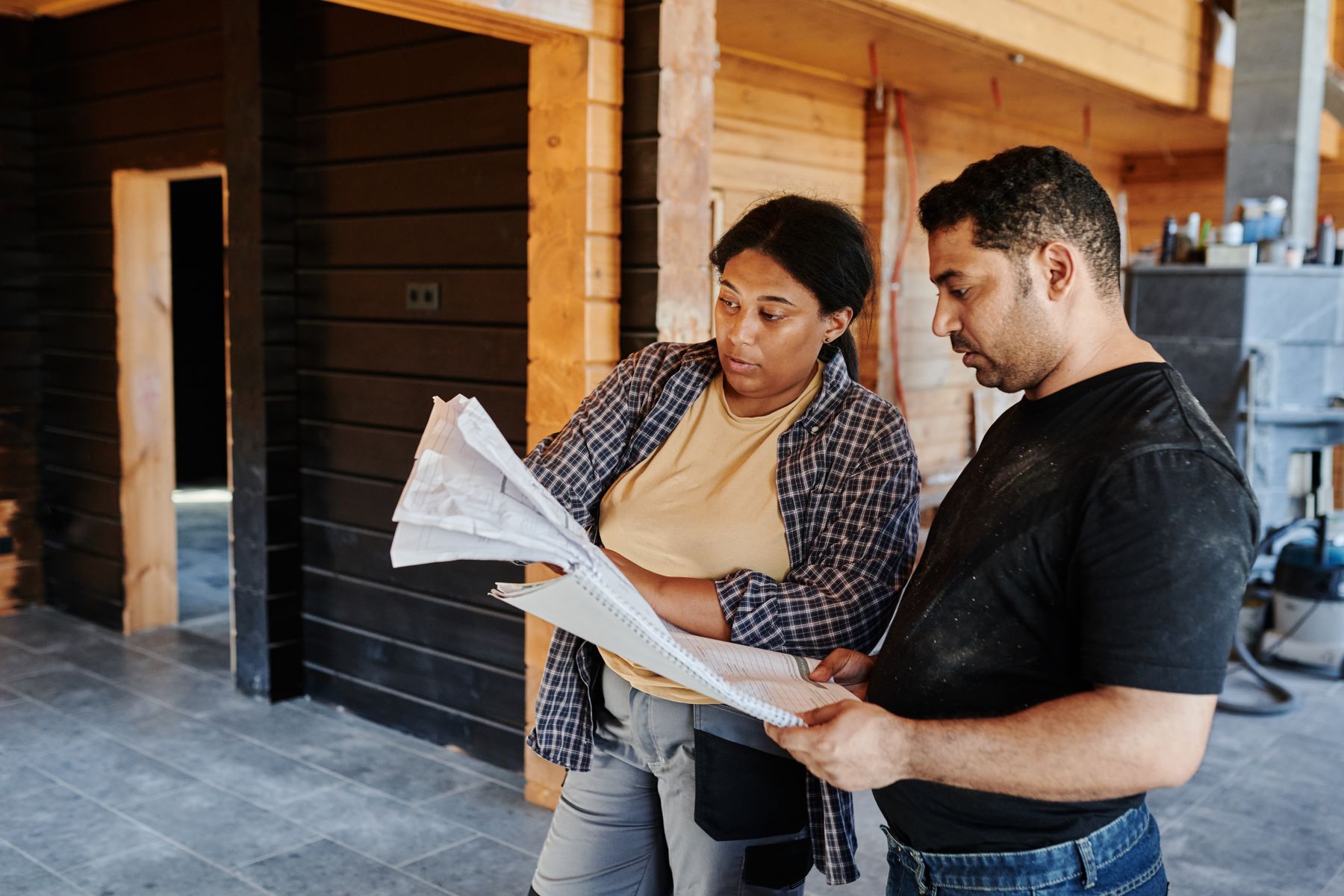
If your driveway is cracking, sinking, or failing to drain, or if you are planning a new paved surface, we can evaluate the condition and recommend the right scope.
To start:
(i) Call or text 801-389-3161
(ii) Email info@cornerstoneconstructionremodeling.com
(iii) Use our free estimate form — include photos of the current surface, the address, and a description of what you are seeing
We respond same-day during normal availability.