Irrigation and Sprinkler Services in Roy, Utah
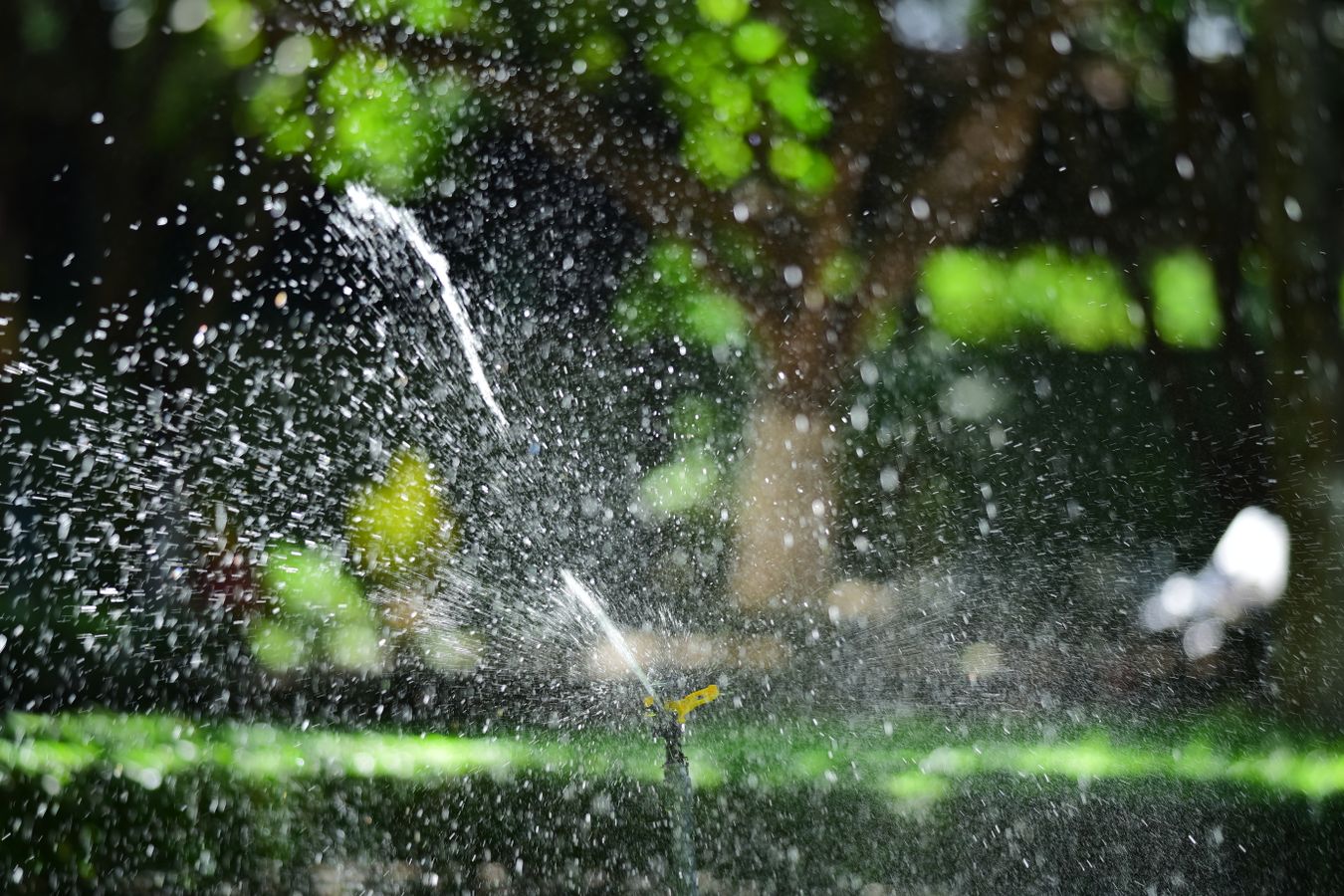
Irrigation and sprinkler services cover the systems that deliver water to lawns, planting beds, and landscape zones — the pipes, valves, heads, controllers, and backflow assemblies that keep a property watered consistently without waste. When coverage is uneven, pressure is wrong, zones are not responding, or the system needs seasonal service, the irrigation scope addresses the mechanical and design problems that prevent the water from reaching where it should.
Cornerstone Custom Construction and Remodeling has over 15 years of experience working on irrigation and sprinkler projects across Northern Utah — from full system installations on new properties to repair, retrofit, drip conversion, and the seasonal startup and winterization services that protect the system through the Wasatch Front's freeze-thaw cycle. We handle the contractor-scope work that keeps residential irrigation systems performing through every season.
Call us at 801-389-3161 or email info@cornerstoneconstructionremodeling.com to start a free estimate conversation.
Who This Service Fits
Irrigation and sprinkler services fit homeowners in three common situations. The first is a property that needs a new irrigation system — either new construction without an existing system, or an established home where hand-watering or hose-based coverage is no longer practical. The second is an existing system that is underperforming — broken heads, stuck valves, poor coverage, pressure problems, controller issues, or zones that are not responding. The third is seasonal service — the spring startup and fall winterization that protects the system through Northern Utah's freeze cycle and keeps it running properly from the first warm week through the last watering day.
This service sits within the Exterior and Outdoor Services family. Cornerstone's role covers system design, installation, repair, component replacement, drip conversion, controller programming, backflow assembly coordination, and seasonal service. When a project requires licensed plumbing work beyond the irrigation connection point, well or pump engineering, landscape design, or grading and drainage work outside the irrigation scope, we coordinate with qualified specialists or direct you to the appropriate service path. We do not provide landscape architecture, licensed plumbing services, or well and pump system work ourselves.
Scope, Conditions, and Boundaries
Irrigation systems on the Wasatch Front operate under conditions that differ meaningfully from national averages, and those conditions shape what the work involves.
System components and how they work together. A residential irrigation system has five core components that must function as a unit: (i) The controller — the timer that tells each zone when to run and for how long. (ii) Valves — each zone has its own valve controlled by a solenoid, opening and closing on the controller's schedule. (iii) Pipes — the mainline carries water from the source to the valve manifold, and lateral lines carry it from each valve to the heads in that zone. (iv) Sprinkler heads — spray heads for smaller areas (operating at 15 to 30 PSI), rotors for larger coverage (25 to 45 PSI), bubblers for tree wells and confined basins, and drip emitters for beds and planters. (v) The backflow preventer — a safety device that stops irrigation water from flowing backward into the drinking water supply. When any one of these components fails, the symptoms often appear elsewhere in the system as pressure loss, dry spots, flooding, or zones that will not activate.
Head and emitter types. The right head type depends on the zone's size, shape, plant material, and water needs. Spray heads deliver a fixed fan pattern and work best in compact, regularly shaped turf areas. Rotors throw water in slow rotating streams and cover larger areas more efficiently with less evaporation. Drip emitters deliver water slowly and directly to root zones, reducing waste in beds, planters, and low-water landscape areas. Bubblers flood individual plant basins at low flow for tree wells and raised planters where saturation needs to stay contained. Most residential systems use a combination — spray zones for small turf sections, rotor zones for main lawn areas, and drip zones for beds and gardens.
Wasatch Front seasonal conditions. The Wasatch Front's climate creates a pronounced seasonal cycle for irrigation systems. Northern Utah's frost line reaches 30 inches in Davis, Weber, and Salt Lake counties, but residential sprinkler lines are typically installed at 8 to 12 inches — well above the frost depth. That gap is why winterization is not optional here. Water left in the lines, valves, and backflow assembly after the last watering day will freeze and expand, cracking pipes, splitting valve bodies, and damaging the backflow preventer. The first frost in Davis and Salt Lake counties typically arrives between October 21 and October 31, making October the critical winterization window. On the other end, spring startup requires slow repressurization and zone-by-zone testing to catch freeze damage before the system runs on its own schedule.
Backflow preventer requirements. Utah plumbing code requires a backflow prevention assembly on any irrigation system connected to the potable water supply. Approved devices include reduced pressure principle assemblies, spill-resistant pressure vacuum breakers, and atmospheric vacuum breakers. The assembly must be tested by a certified backflow technician within 10 days of initial installation and annually thereafter, with test results submitted to the local water authority. If the property uses secondary water as the sole irrigation supply, the backflow requirement may not apply — but that determination depends on the local water district.
What falls inside this scope. System design and zone mapping, new installation (trenching, piping, head placement, valve manifold, controller, backflow assembly), repair and component replacement (heads, nozzles, valves, solenoids, wiring, pipe sections), drip irrigation installation and conversion, controller programming and upgrades, seasonal startup and winterization, coverage adjustment, and pressure diagnosis.
What falls outside this scope. Licensed plumbing work upstream of the irrigation connection point, well and pump system installation or repair, landscape architecture and planting design, grading and drainage work beyond the irrigation trench scope, and annual backflow testing certification (performed by a certified tester, which we can coordinate). These are specialist scopes that require separate qualification.
Five Service Paths
Irrigation and sprinkler services at Cornerstone are organized into five focused paths, each with its own detailed page.
Drip Irrigation. Targeted water delivery for planting beds, garden areas, tree wells, and landscape zones where slower, more controlled irrigation reduces waste and improves plant health. Drip systems use emitters that deliver water directly to the root zone at low flow rates, minimizing evaporation and overspray. This path covers new drip installation, conversion from spray to drip in bed areas, emitter selection, and tubing layout for the property's specific planting plan.
Irrigation Installation. Full system design and installation for properties that need a new irrigation system from scratch. This path covers zone mapping based on the property's size, shape, sun exposure, soil conditions, and plant material — then trenching, pipe routing, head and emitter placement, valve manifold installation, controller setup, and backflow assembly. Installation scope also includes retrofits where an existing partial system needs to be expanded or redesigned to cover new areas.
Irrigation Winterization. Season-closing service that protects the system before freezing weather arrives. Winterization involves shutting down the water supply, draining the mainline and lateral lines using compressed air (calibrated to 65 PSI maximum to protect valves and heads), insulating or draining the backflow preventer, and securing the controller. On the Wasatch Front, this service is typically performed in October before the first sustained frost.
Sprinkler Repair. Diagnosis and correction of existing system problems — broken or clogged heads, leaking valves, stuck zones, wiring faults, mainline and lateral pipe breaks, pressure irregularities, controller malfunctions, and coverage gaps. Repair scope ranges from replacing a few damaged heads to tracing wire faults, replacing valve assemblies, and re-routing pipe sections that have failed.
Sprinkler Startup. Season-opening service that reactivates the system after winter. Startup involves slowly repressurizing the mainline (opened gradually to prevent water hammer), running each zone manually to verify operation, checking every head for damage and proper spray pattern, adjusting arc and radius for head-to-head coverage, testing pressure at multiple points, identifying freeze damage from the winter, and reprogramming the controller for the current season's watering schedule.

Planning Inputs and Homeowner Decisions
Before an accurate irrigation estimate can take shape, several property-specific factors need to be understood.
Existing system status. If a system already exists, knowing the approximate age, number of zones, controller type and location, head types, and any known problems helps scope whether the work is repair, partial upgrade, or full replacement. If no system exists, the planning starts with the property itself.
Property size and layout. Total irrigable area, lot shape, and how the landscape is divided between turf, beds, hardscape, and structures determine zone count, head selection, and pipe routing. Irregular lots, narrow side yards, and areas separated by driveways or walkways affect how zones are designed and where trenching runs.
Water source and pressure. The system design depends on whether the property uses municipal potable water, secondary water, or a combination. Available pressure and flow rate at the connection point determine how many heads can run simultaneously per zone — and whether pressure regulation or boosting is needed. Low-pressure properties may require fewer heads per zone or different head types to maintain coverage.
Soil conditions. The Wasatch Front's clay-heavy soils absorb water more slowly than sandy or loam soils. This affects sprinkler run times, the recommended cycle-and-soak programming approach (splitting run times into multiple shorter cycles with pauses to reduce runoff), and whether drip zones are more appropriate for certain areas.
Landscape zones and plant material. Turf areas, perennial beds, annual beds, vegetable gardens, trees, and shrubs all have different water needs. Grouping similar water requirements into the same zone is the foundation of efficient irrigation design — mixing high-water turf and low-water shrubs on the same zone guarantees that one is overwatered or the other is underwatered.
Access and obstructions. Trenching equipment needs access to the yard. Existing hardscape (driveways, patios, walkways), fencing, retaining walls, mature trees with established root systems, and utility lines all affect where pipe can be routed and where trenching is practical. Utility marking through Blue Stakes 811 is required before any trenching — Utah law requires notification at least three business days before digging.
Backflow assembly status. If the property has an existing backflow preventer, its type, condition, and testing history affect whether it can remain in service or needs replacement. New installations require a new approved assembly, initial testing within 10 days, and annual testing thereafter.
Cost and Schedule Factors
Irrigation project costs vary based on several factors, and we provide project-specific estimates rather than generic ranges. Here is what typically drives the scope and investment.
Zone count. The number of zones is the single largest driver of installation cost. Each zone requires its own valve, wiring run to the controller, lateral piping, and heads — and more zones mean more trenching. Zone count is determined by the property's size, the layout of turf and bed areas, available water pressure, and how many heads can run simultaneously without losing performance.
Head and emitter type. Spray heads, rotors, drip emitters, and bubblers each carry different material costs and installation requirements. Rotor zones cover more area per head but require higher pressure and wider spacing. Drip zones use more linear feet of tubing but fewer mechanical components. The mix of head types across the system affects the total material and labor scope.
Trenching complexity. The distance between the water source and the landscape, the number of pipe runs, soil conditions, and obstacles in the trenching path all affect labor time. Rocky soil, mature tree roots, tight side yards, and crossing under hardscape surfaces increase the trenching scope significantly compared to open, accessible turf areas.
Backflow preventer. New installations require an approved backflow assembly, and the cost varies by device type (reduced pressure principle, spill-resistant pressure vacuum breaker, or atmospheric vacuum breaker) and the complexity of the connection to the water supply.
Controller type. Basic timer-based controllers and smart controllers (with weather-based adjustment, soil moisture sensing, and remote access) carry different costs. Smart controllers can reduce long-term water use by adjusting schedules automatically, but they add to the initial investment.
Repair versus new installation. Repair scope varies dramatically — from replacing a few heads to diagnosing and repairing mainline breaks, valve failures, wiring faults, and pressure problems across multiple zones. New installation involves a full design, materials, and trenching scope that repair does not.
Seasonal service scope. Startup and winterization costs are driven by zone count, the location and accessibility of the shutoff and backflow assembly, and how much adjustment, diagnosis, or repair the system needs during the seasonal visit.
Site access and existing conditions. Properties with tight access, steep slopes, extensive hardscape, mature landscaping that must be preserved, or long distances from the water source add labor and planning complexity that affects the estimate.
Process and Coordination
Irrigation work follows a sequence that moves from understanding the property and its water needs through system design, installation or repair, and seasonal maintenance.
7.1 Site evaluation. We walk the property and assess the landscape layout, turf and bed areas, existing irrigation components (if any), water source and pressure, soil conditions, drainage patterns, access for equipment, and any existing problems or performance complaints. For repair calls, the evaluation focuses on isolating the specific failure — pressure testing, visual inspection, valve testing, and controller diagnostics to identify the cause before recommending the fix.
7.2 System design and zone mapping (new installations). Based on the site evaluation, we design the zone layout — grouping areas by water need, selecting head types for each zone, routing pipe to minimize trenching while maintaining coverage, sizing the system to the available pressure and flow, and specifying the controller, valve manifold, and backflow assembly. The design is reviewed with the homeowner before installation begins.
7.3 Utility marking and preparation. Blue Stakes 811 is called to mark underground utilities before any trenching. Existing landscape features, hardscape edges, and access points are flagged to protect them during installation.
7.4 Installation or repair. For new systems, trenching is cut, pipe is laid and connected, heads and emitters are set, the valve manifold is assembled, wiring is run to the controller, and the backflow assembly is installed at the connection point. For repairs, the specific failed components are replaced, pipe sections are repaired, wiring is traced and corrected, or coverage is redesigned to resolve the underlying problem rather than patching the symptom.
7.5 Pressurization, testing, and adjustment. The system is pressurized slowly to prevent water hammer, then each zone is run manually. Every head is checked for proper spray pattern, arc, radius, and head-to-head coverage. Pressure is verified at multiple points. Leaks are identified and corrected. Drip zones are confirmed for proper flow rate and emitter function. This step catches installation issues before the system runs unattended.
7.6 Controller programming. The controller is programmed with zone-by-zone run times, start times, and watering days based on the landscape's needs, soil absorption rate, and the cycle-and-soak approach recommended for Wasatch Front clay soils — splitting run times into multiple shorter cycles with pauses between them to reduce surface runoff.
7.7 Seasonal service cycle. After installation, the system enters the annual maintenance cycle — spring startup to reactivate and test after winter, mid-season adjustments as watering needs change, and fall winterization to protect the system before freezing temperatures arrive. Annual backflow testing by a certified technician is coordinated as part of this cycle.
Responsibility boundaries. Cornerstone handles system design, installation, repair, component replacement, controller programming, seasonal service, and project coordination. Licensed plumbing work upstream of the irrigation connection, well and pump systems, certified backflow testing, landscape architecture, and grading beyond the irrigation scope are performed by qualified specialists. We coordinate the full project but each specialist is responsible for their scope.
Service Area
We work on irrigation and sprinkler projects primarily across Davis, Weber, and Salt Lake counties — the three-county area where the Wasatch Front's clay soils, seasonal freeze cycle, and watering conditions shape how irrigation systems need to be designed, installed, and maintained. Roy, Ogden, Layton, Clearfield, Syracuse, Kaysville, Bountiful, Centerville, Farmington, and surrounding communities are all within our primary service area.
Irrigation projects elsewhere in Utah are considered when the scope and project economics support the work. Visit our Roy service area page for more on local coverage and related service paths.
Related Services
Irrigation and sprinkler work connects to other services in our Exterior and Outdoor Services family and across our broader capabilities.
Within the exterior family:
(i) Concrete Services — walkways, patios, and driveways that irrigation trenching may need to route around or under, and surfaces where downspout and irrigation discharge paths must be coordinated.
(ii) Deck and Patio Services — outdoor living areas adjacent to irrigated landscape zones where head placement and overspray management affect both the hardscape and the plants.
(iii) Deck Services — elevated structures that create coverage shadows and require careful head positioning to reach the landscape beneath and around them.
(iv) Fence Services — property-line fencing that affects sprinkler head placement, coverage arcs, and access to irrigation components along the perimeter.
(v) Gutter Services — roof drainage and downspout discharge that interact with irrigation coverage and grading, particularly when downspouts deposit runoff into irrigated zones.
(vi) Asphalt and Paving Services — driveways and paved surfaces that affect trenching routes and where irrigation water should not be directed.
(vii) Chimney and Fireplace Services — exterior chimney structures that create coverage shadows and affect head placement in adjacent landscape zones.
(viii) Masonry Services — retaining walls, raised planters, and hardscape features that define irrigation zone boundaries and affect how drip and spray systems are routed.
(ix) Retaining Wall Services — grade-change structures that separate irrigation zones at different elevations and affect water pressure, drainage, and head selection.
(x) Roofing — roof replacement or repair projects that may affect gutter and downspout discharge patterns, which in turn affect irrigation grading and drainage near the foundation.
(xi) Siding Services — exterior cladding near sprinkler heads where overspray can cause moisture damage if head placement and arc settings are not properly adjusted.
(xii) Window and Door Services — exterior openings near irrigation heads where overspray on glass and frames creates maintenance problems and potential moisture intrusion.
Across service families:
Browse our full services directory to see how irrigation connects to new construction projects where system installation is part of the build scope, interior remodeling and finish services where water damage from irrigation failure may trigger interior repair, and restoration, waterproofing and structural services where drainage and water management problems overlap with irrigation system performance.
Frequently Asked Questions
What most affects the price of a new irrigation installation? Zone count is the largest single factor because each zone requires its own valve, wiring, lateral piping, and heads — and more zones mean more trenching to connect them. Zone count itself is driven by property size, landscape layout, and available water pressure (lower pressure means fewer heads per zone, which means more zones to cover the same area). After zone count, the next most significant factors are trenching complexity (open turf versus rocky soil, tight access, or crossing under hardscape), head and emitter type (rotors, spray heads, and drip each carry different per-unit costs), the backflow preventer type required by the local water district, and the controller specification. Properties with irregular shapes, steep grades, or long distances between the water source and the landscape require more pipe, more labor, and more design work than straightforward rectangular lots.
What usually causes sprinkler systems to perform poorly? The most common causes are broken or clogged heads, incorrect nozzle types for the zone size, pressure problems (too high causes misting and wind drift, too low causes incomplete coverage), leaking valves or lateral pipe sections, zones with mismatched plant types running on the same schedule, and controller programming that no longer matches the landscape. On the Wasatch Front, freeze damage from incomplete winterization is another frequent cause — cracked pipes, split valve bodies, and damaged backflow assemblies that do not become apparent until the system is turned on in spring.
Why is winterization important on the Wasatch Front? Residential sprinkler lines in Northern Utah are installed at 8 to 12 inches deep, but the frost line in Davis, Weber, and Salt Lake counties reaches 30 inches. Water left in the system after the last watering day will freeze and expand as ground temperatures drop through November and December. The result is cracked lateral pipes, split valve diaphragms, and damaged backflow preventers — components that are expensive to replace and often not discovered until spring startup reveals the damage. Winterization uses compressed air to evacuate water from every line, valve, and head in the system, then protects the backflow assembly. October is the standard window in this area, ahead of the first sustained frost.
How does a spring startup work? Startup reverses the winterization process — but carefully. The main valve is opened slowly (a quarter turn at a time) to let the system fill and pressurize gradually without water hammer, which can damage pipes and fittings. Once pressurized, each zone is run manually while every head is inspected for freeze damage, clogging, and proper spray pattern. Arc and radius are adjusted so spray from each head reaches the next head in the zone (head-to-head coverage). Pressure is checked at multiple points. The controller is reprogrammed for the current season's watering schedule, typically using the cycle-and-soak approach recommended for clay soils — splitting run times into shorter cycles with pauses to let water absorb rather than run off.
Does my irrigation system need a backflow preventer? If the system is connected to the potable (drinking water) supply, Utah plumbing code requires an approved backflow prevention assembly. The assembly must be tested by a certified backflow technician within 10 days of initial installation and annually thereafter, with test results submitted to the local water authority. Approved devices include reduced pressure principle assemblies, spill-resistant pressure vacuum breakers, and atmospheric vacuum breakers — the specific type required depends on the installation configuration and local water district rules. If the property uses secondary water as the sole irrigation supply, the backflow requirement may not apply, but that determination is made by the local water district.
Can irrigation work be done during an active landscaping or construction project? Yes, and in many cases it should be. Irrigation installation is most efficient when trenching can happen before hardscape, sod, and final grading are in place — routing pipe under future walkways, patios, and driveways is far simpler before those surfaces are built. On new construction projects, irrigation rough-in is typically coordinated with the site work phase so pipe and sleeve placement happens before final grade. Retrofitting irrigation into an established landscape is possible but adds complexity around existing root systems, hardscape crossings, and landscape restoration after trenching.
Start an Irrigation and Sprinkler Conversation
Whether the system needs repair, the property needs a new installation, or the season requires startup or winterization service, the next step is a conversation about the property and what the irrigation system needs to do.
Call or text 801-389-3161 to describe the issue — stuck zones, broken heads, dry spots, a system that needs to be turned on or shut down for the season, or a property that needs a new irrigation plan.
Email info@cornerstoneconstructionremodeling.com with photos of problem areas, a description of the system's current condition, the number of zones if known, and whether the need is repair, seasonal service, or new installation.
Or use the contact page to request a free irrigation estimate. Include the property address, a description of the landscape and any existing system, the service needed, and whether the work is urgent or can be scheduled during the next available window.
We typically respond to inquiries the same day during normal business availability.