Masonry Services in Davis, Weber, and Salt Lake Counties
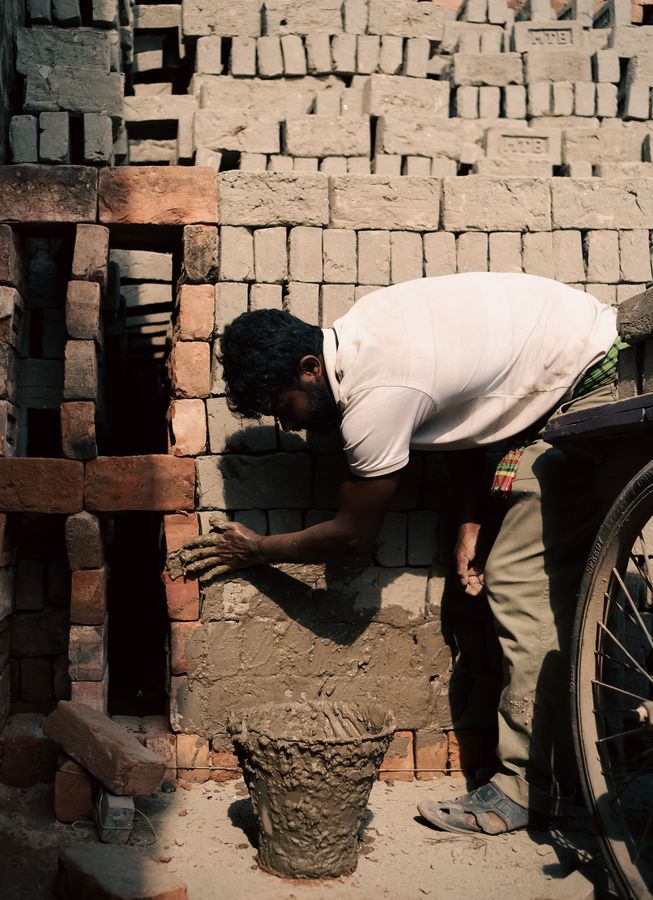
Masonry work covers the brick, block, stone, and mortar that gives walls, steps, columns, entries, and veneer features their structure and finish. When mortar joints fail, units crack, or sections start to shift, the problem is usually progressive — moisture gets in, freeze-thaw cycling accelerates the damage, and what started as a few cracked joints becomes a larger repair or rebuild project.
Cornerstone Custom Construction & Remodeling handles masonry services across Davis, Weber, and Salt Lake counties, with 15+ years of construction and remodeling experience. Call or email to start a free estimate conversation.
Quick Answers
Who is this page for?
Homeowners, property owners, and builders evaluating masonry contractors for brick repair, stone work, tuckpointing, mortar-joint restoration, veneer corrections, or rebuild work when cracking, movement, and weathering are visible. Commercial property owners and investors with masonry-scope projects should also use this page to confirm fit.
What does the work usually include?
Masonry projects commonly involve mortar-joint repair (repointing or tuckpointing), brick or block replacement, stone corrections, step and column rebuilds, veneer repair, entry-feature restoration, and broader structural masonry work where units have separated, cracked, or lost stability. The scope depends on whether the issue is limited to failed mortar or extends into the backing, drainage, or structural support behind the masonry face.
What should you do next?
Call 801-389-3161 or email info@cornerstoneconstructionremodeling.com with your address and photos of the affected masonry — especially open joints, displaced units, surface cracking, spalling, or any area where the wall, step, or feature is shifting. Include whether the concern is cosmetic mortar wear, a safety issue, or visible structural movement. That gives Cornerstone enough to confirm fit and move into the right estimate path.
Who This Service Fits
Masonry services apply when brick, block, stone, or mortar is showing signs of failure — not just surface staining. Common starting points include:
- Mortar joints that are receding, crumbling, cracked, or missing between brick, block, or stone units
- Brick faces that are flaking, spalling, or chipping — especially on south- and west-facing walls where freeze-thaw exposure is highest
- Steps, columns, or entry features where units are loose, displaced, or separating from the structure
- Stone or brick veneer that is cracking, pulling away from the wall, or showing gaps at edges and corners
- Walls or structural masonry sections that show signs of settlement, leaning, or water damage behind the face
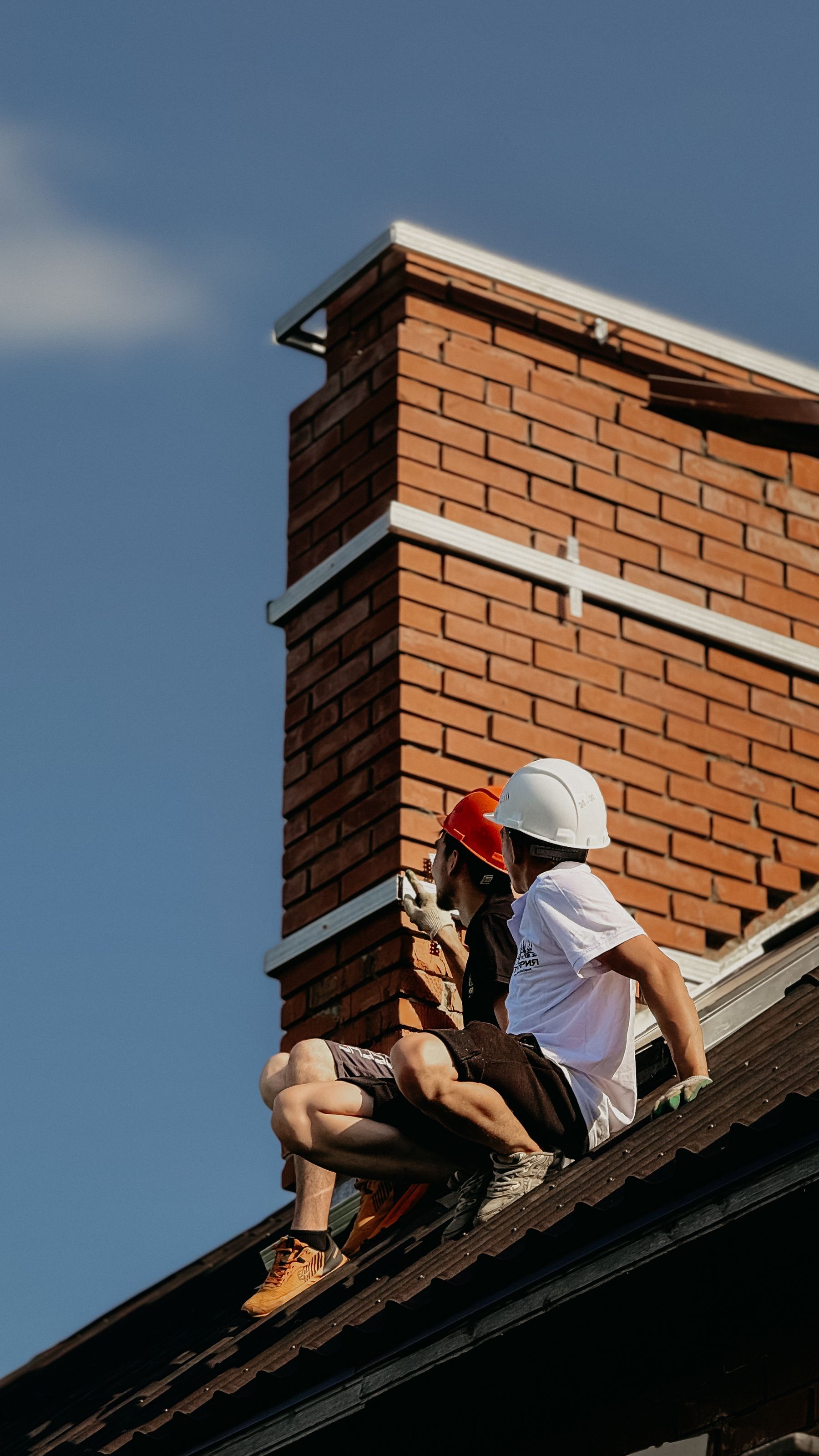
- Chimneys with deteriorated mortar, cracked crowns, or shifted brickwork (see also Chimney And Fireplace Services)
Cornerstone's requested role in a masonry project depends on the scope. Some jobs are mortar repair focused. Others involve partial dismantling, structural assessment, material matching, and rebuilding. The scope, the requested role, and the responsibility boundaries are established during the estimate conversation — not assumed from a service name.
Scope, Exclusions, and Representative Project Conditions
What masonry services typically cover:
- Repointing — removing deteriorated mortar from joints and replacing it with new mortar to restore the seal, prevent water penetration, and stabilize the masonry units
- Tuckpointing — a more refined process that fills joints with mortar matched to the brick color, then applies a narrow contrasting line for a clean, finished appearance
- Brick and block replacement — removing cracked, spalled, or damaged units and installing replacements matched in size, color, and texture
- Stone repair and replacement — addressing cracked, displaced, or deteriorated stone in walls, steps, features, and veneer applications
- Column, step, and entry rebuilds — dismantling failed features and reconstructing them with matched or new materials, including caps, corners, and flashing details
- Veneer correction — reattaching, replacing, or rebuilding stone or brick veneer sections that have separated from the backing wall
- Mortar matching — analyzing the existing mortar color, texture, joint profile, and composition to produce a repair that blends with the surrounding work
- Surface sealing and joint finishing — applying appropriate treatments to protect repaired sections from moisture intrusion
What masonry services do not typically include on their own:
Masonry services focus on the brick, block, stone, and mortar components. Standalone concrete flatwork (driveways, sidewalks, slabs), roofing, chimney-specific scope, or interior remodeling work would fall under their own service pages. Structural engineering, foundation assessment, permitting, and inspection responsibilities depend on the project and are confirmed during the estimate conversation.
Representative project conditions:
Northern Utah's climate is particularly hard on masonry. Freeze-thaw cycling — where absorbed moisture freezes, expands, and fractures mortar and porous masonry units from the inside — occurs dozens of times each winter across Davis, Weber, and Salt Lake counties. Daily temperature swings of 40 degrees or more accelerate this process. South- and west-facing walls take the most damage because they absorb more moisture and heat.
Masonry that has been failing for several seasons often reveals deeper problems once the loose material comes off. Saturated backing, deteriorated flashing, poor drainage at the base of a wall, or settlement that has shifted the structure behind the masonry face can all widen scope beyond the visible mortar joints. These conditions are common in Utah — and they are part of why a hands-on assessment matters before quoting.
Distinct Masonry Scope Options
Masonry problems fall into three general levels of intervention. The right scope depends on what the assessment reveals:
Repointing and Tuckpointing — When the mortar joints have failed but the brick, block, or stone units are still stable and sound. Old mortar is removed to the proper depth and replaced with new mortar matched to the existing joint profile and color. This is the most common and least invasive masonry repair. It restores the weatherproof seal and can extend the life of the masonry significantly when the damage is caught early.
Targeted Repair — When individual units are cracked, spalled, displaced, or missing, but the overall wall or feature is still structurally stable. Damaged units are removed and replaced with matched materials. This often combines repointing of the surrounding joints with unit replacement in the damaged sections. Steps, column caps, corners, and exposed edges are common targeted-repair areas because they take the most physical wear and moisture exposure.
Partial or Full Rebuild — When the masonry section has moved, separated from its backing, lost structural integrity, or deteriorated beyond what repair can restore. The affected area is dismantled in a controlled sequence, the backing and support structure are assessed and corrected, and the section is rebuilt with matched or new materials. Rebuild scope is most common in steps, columns, and wall sections where long-term water penetration or settlement has compromised the structure behind the masonry face.
The distinction between these levels is determined by the assessment, not guessed from photos alone. The estimate conversation establishes which scope applies to your project.
Planning Inputs
The more detail you bring to the estimate conversation, the more accurately the scope can be defined. Useful inputs include:
- Photos of the affected masonry from multiple angles — close-ups of damaged joints, cracked or displaced units, and any sections showing movement, separation, or water staining
- Location and feature type — whether the issue is on a wall face, steps, a column, an entry feature, a veneer section, a chimney, or a retaining structure
- Access conditions — wall height, proximity to other structures, landscaping or hardscape in the work area, and whether the masonry is on a second story or above a roof line
- Age and history — when the masonry was built, whether it has been repaired before, and whether the problem is recent or has been developing over multiple seasons
- Material specifics — brick, block, or stone type, mortar color and joint profile, and any previous matching attempts
- Severity — whether the concern is cosmetic (receding joints, staining), functional (water penetration, loose units), or structural (leaning, displacement, visible movement)
You do not need all of this before reaching out. A phone call or email with photos of the affected area and a description of the concern is enough to start.
Cost and Schedule Factors
Masonry pricing depends on the actual scope, materials, access, and project conditions — not a fixed formula. The main factors that move cost:
Scope of intervention is the primary cost driver. Repointing mortar joints is less intensive than replacing damaged units, and both are significantly less than dismantling and rebuilding a structural section. The gap between the three levels of work is substantial.
Access and height affect labor meaningfully. Ground-level work on an accessible wall costs less than second-story or above-roofline work that requires scaffolding, lifts, or specialized safety equipment. Difficult-access masonry can increase labor costs significantly.
Material matching adds time and cost when the existing brick, block, stone, or mortar is not a standard current product. Matching the size, texture, color, and mortar profile of older masonry may require sourcing specialty materials or custom mortar blends. The more precisely the repair needs to blend with the surrounding work, the more matching effort is involved.
Extent of damage — a few cracked joints on a short wall is a different project than a full column rebuild or a long wall section where mortar has failed across dozens of courses. The linear footage, square footage, or feature count of affected masonry directly affects material and labor.
Hidden conditions can widen scope. Saturated backing, deteriorated flashing, poor drainage, settlement, or structural shifting behind the masonry face may not be fully visible until damaged material is removed. Older masonry and masonry that has been exposed to years of Utah freeze-thaw cycling is more likely to reveal these conditions.
Feature complexity — steps, columns, corners, caps, flashing details, and exposed edges require more precision and finish work than flat wall sections. Each transition, corner, and cap adds time and material to the project.
Cornerstone provides free estimates. Project pricing is handled through a scope conversation and hands-on assessment, not a fixed menu. No price, deposit, or timeline commitment is made until the scope is reviewed and agreed on.
Process and Sequencing
Masonry repair and rebuild work follows a sequence based on what the assessment reveals. Each step determines what comes next.
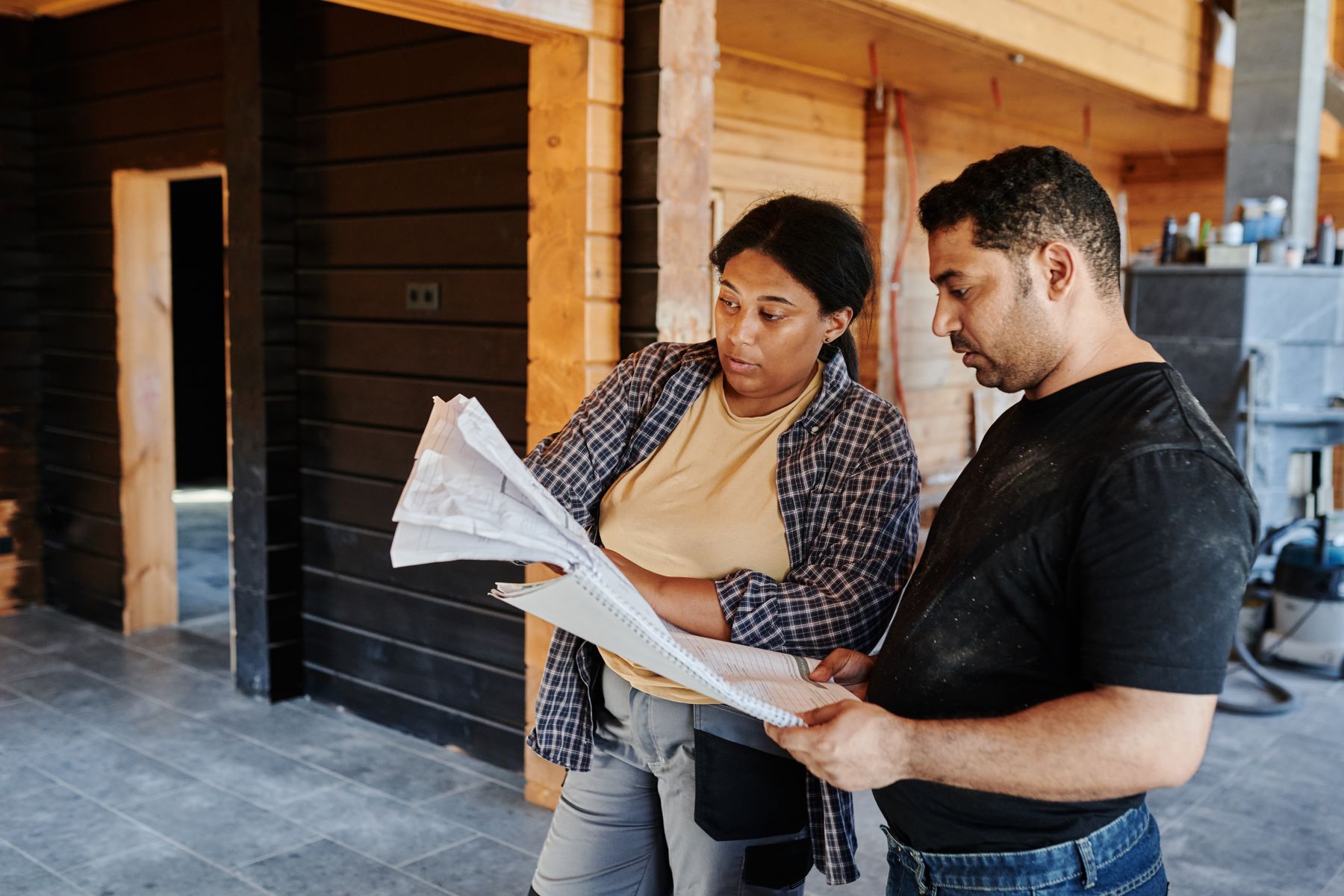
Assessment and estimate — The project starts with an evaluation of the affected masonry: what is failing, how deep the damage goes, whether the backing and support structure are compromised, and what materials are involved. Photos and a site visit inform the scope and estimate.
Material sourcing and matching — If the project requires replacement units or custom mortar, materials are sourced and matched before work begins. For older masonry, this step can take time — finding brick, block, or stone that matches the existing work in size, color, and texture may involve specialty sourcing.
Preparation and protection — Surrounding surfaces, landscaping, and adjacent finishes are protected. Scaffolding or access equipment is set up if needed. For rebuilds, the controlled dismantling sequence is planned before any material is removed.
Removal — Deteriorated mortar is ground or raked out to the proper depth for repointing. For unit replacement or rebuilds, damaged brick, block, or stone is removed carefully to avoid disturbing sound adjacent material. This is the phase where hidden conditions — saturated backing, structural shifting, drainage problems — surface if they exist.
Repair or reconstruction — New mortar is applied, replacement units are set, or the section is rebuilt course by course. Joint profiles are tooled to match the existing work. Caps, corners, flashing, and edges are detailed.
Finishing and cleanup — Excess mortar is cleaned, surfaces are brushed or washed, and the work area is restored. Curing time for new mortar depends on weather conditions and mortar composition.
Responsibility boundaries: Cornerstone's role in coordinating or performing each phase depends on the project scope and the requested role. Structural engineering, permitting, inspection scheduling, and adjacent trade work are discussed during the estimate — not assumed.
Service Area
Cornerstone serves Davis, Weber, and Salt Lake counties as its primary masonry service markets. Projects elsewhere in Utah may be considered when the scope, schedule, travel, and overall project economics fit.
Related Services and Planning Pages
Masonry work often connects to adjacent exterior services or broader construction and restoration scopes. These pages cover related work:
Exterior And Outdoor Services — The parent category for masonry and all exterior construction, repair, and improvement work.
Chimney And Fireplace Services — Chimney masonry shares the same materials and failure modes as other brick and stone features but adds flue integrity, liner condition, crown and cap assessment, and roofline flashing. When chimney masonry is the primary concern, this page covers the chimney-specific scope.
Concrete Services — Flatwork, foundation, driveway, sidewalk, and structural concrete work. Masonry and concrete often share a site — steps may meet a concrete walkway, a masonry wall may sit on a concrete footing, or a driveway may border a masonry entry feature.
Retaining Wall Services — Retaining walls manage grade changes, drainage, and soil pressure. When a retaining wall uses block, stone, or brick, the masonry service scope may overlap with retaining wall assessment and repair.
Siding Services — Siding covers the non-masonry portions of a home's exterior envelope. When masonry veneer meets siding at transitions, corners, or rooflines, both services may apply to the same project.
Roofing — Roofing and masonry connect at chimney flashings, parapet walls, and any roofline intersection with brick or stone. A masonry project near the roofline may need coordination with roofing scope.
Deck And Patio Services — Outdoor living spaces where masonry columns, walls, borders, or fireplace features connect to deck or patio structures.
Deck Services — Dedicated deck construction, repair, and replacement. Masonry piers, columns, and border walls sometimes interface with deck framing and foundations.
Fence Services — Fence installation, repair, and replacement. Masonry fence columns, pilasters, and base walls connect masonry scope to fence projects.
Gutter Services — Gutter installation, repair, and maintenance. Gutter condition directly affects masonry — failed or misdirected gutters are a common upstream cause of mortar and brick deterioration from concentrated water runoff.
Asphalt And Paving Services — Driveway, parking area, and paved-surface work. Asphalt and masonry may share edges where a driveway or walkway meets a masonry wall, entry, or border feature.
Window And Door Services — Window and door installation and replacement. Masonry openings — lintels, sills, and header courses above windows and doors — are common areas where mortar and brick repair is needed.
Irrigation And Sprinkler Services — Irrigation system installation, repair, and maintenance. Sprinkler overspray and poor landscape drainage are common sources of moisture damage to masonry walls and features near grade.
New Construction Projects — New-home, commercial, and builder-facing construction. Masonry is a common material in new construction for entries, accent walls, columns, and exterior features.
Interior Remodeling And Finish Services — Interior finish and remodeling work. When masonry extends indoors — fireplace surrounds, interior accent walls, or exposed brick — the scope may connect to interior service categories.
Restoration, Waterproofing, And Structural Services — Restoration, waterproofing, and structural work. Masonry projects involving water intrusion, structural correction, or historic-feature restoration may connect to this broader service family.
Frequently Asked Questions
When is tuckpointing enough, and when does masonry need rebuild work?
Tuckpointing or repointing is typically enough when the masonry units — the bricks, blocks, or stones — are still stable, properly aligned, and structurally sound, and the primary failure is in the mortar joints. If the mortar is receding, crumbling, or cracked but the units are not displaced, repointing restores the seal and extends the life of the masonry. Rebuild becomes more likely when units are loose, spalled, displaced, or cracked through, or when the wall, step, column, or feature is showing signs of structural movement — leaning, separating from the backing, or sinking. Once damage reaches the backing structure, drainage, or footing, surface repair will not hold, and the affected section typically needs to be dismantled and reconstructed.
What usually affects masonry pricing the most?
The scope of intervention — repointing versus unit replacement versus rebuild — is the biggest single factor. Beyond that, access and height (scaffolding and second-story or above-roofline work), material matching (sourcing brick, block, stone, or mortar that blends with the existing masonry), the total extent of the damaged area, and hidden conditions behind the masonry face (saturated backing, failed flashing, drainage problems, or structural movement) all affect pricing. Feature complexity also matters — steps, columns, corners, caps, and exposed edges take more precision and finish work than flat wall repointing. The estimate conversation and hands-on assessment establish where the project falls.
Why is masonry damage in Utah often worse than it looks from the surface?
Utah's climate creates a cycle that progressively worsens masonry damage from the inside out. Brick and many types of stone are porous — they absorb moisture from rain and snowmelt. When that moisture freezes, it expands by about nine percent, creating internal pressure that fractures mortar and can shatter the face of a masonry unit. Northern Utah experiences dozens of freeze-thaw cycles every winter, with daily temperature swings that can exceed 40 degrees, so this process repeats throughout the season. By the time cracked joints or flaking brick is visible on the surface, the mortar may have been deteriorating behind the face for several seasons, and moisture may have already reached the backing structure. A hands-on assessment — not just a visual estimate from photos — is important for masonry projects in this climate.
Start a Masonry Services Estimate
If the masonry is cracking, loosening, or showing joint failure, we can help determine whether the right approach is repointing, targeted repair, or a broader rebuild — and get the estimate scheduled while the damage is still manageable.
- Call or text: 801-389-3161
- Email: info@cornerstoneconstructionremodeling.com
- Or use the contact page to describe the scope, share photos of the affected masonry, and include your address so we can confirm service-area fit.