Drywall Services in Roy, Utah
1. Hero and Direct Drywall Services Answer
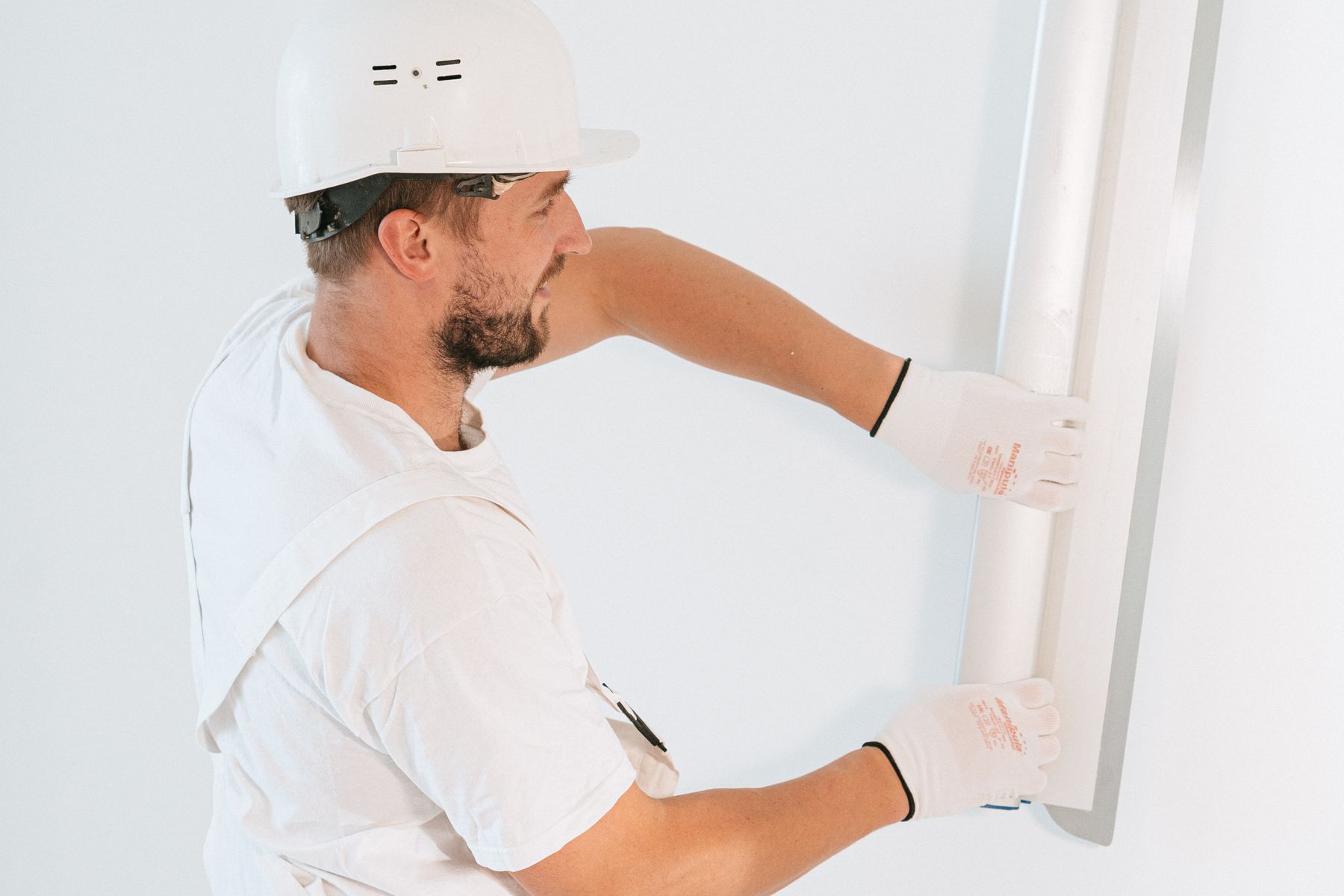
Drywall is the surface that makes every other finish in a room look right. When walls or ceilings are damaged, rough, or left unfinished after another project, the quality of the drywall work determines whether the space feels complete or still under construction. At Cornerstone Custom Construction & Remodeling, we handle drywall repair, finishing, and texture matching across Davis, Weber, and Salt Lake counties — from single-patch fixes to full-room resurfacing after remodeling, water events, or long-term wear.
With 15+ years in business, we approach drywall as a finish trade, not just a material swap. That means the patch disappears, the texture matches, the seams stay flat, and the surface is ready for paint without callbacks.
2. Who This Service Fits
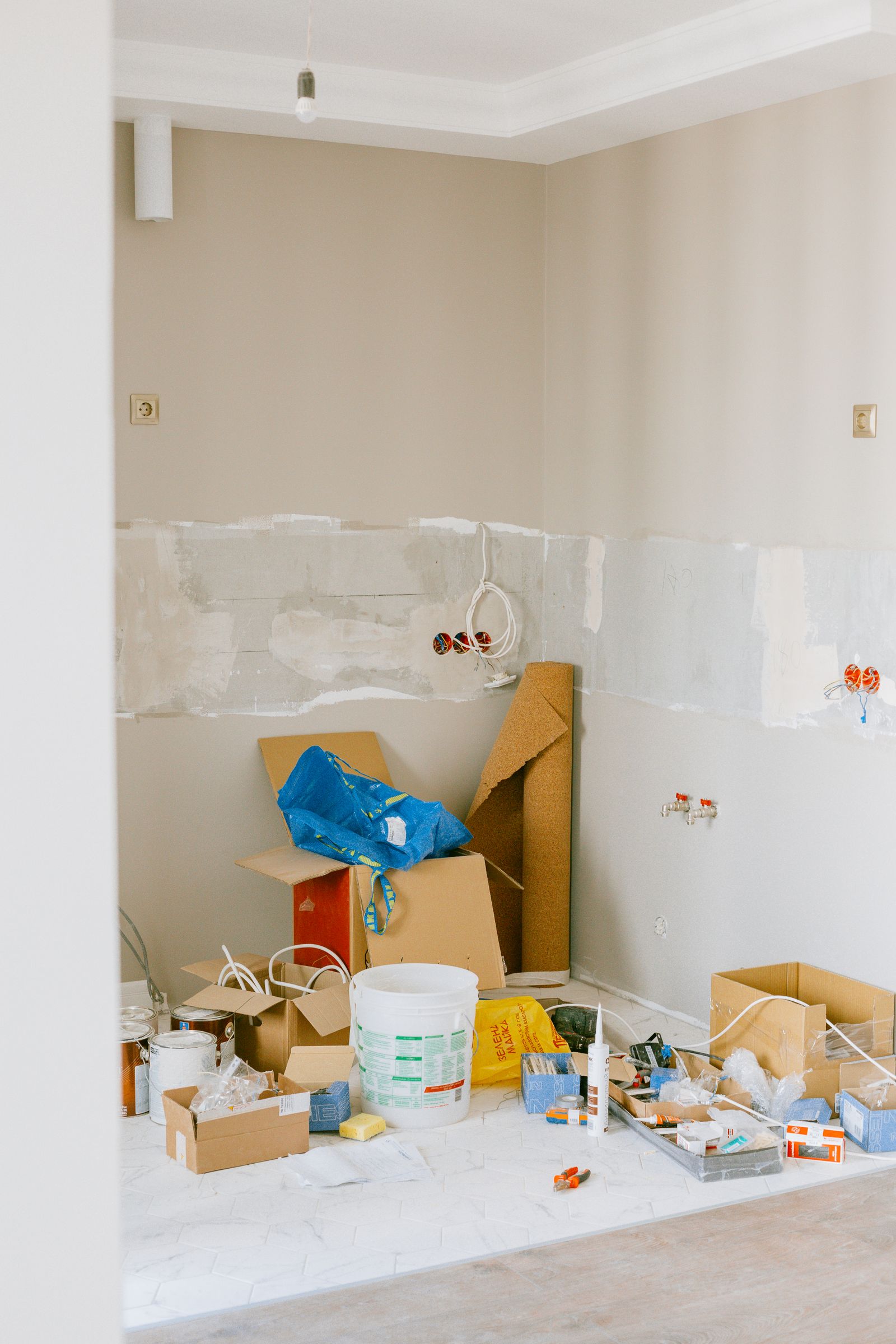
Drywall services fit homeowners dealing with visible wall or ceiling damage, unfinished surfaces left behind by other trades, or finish quality that does not match the rest of the room. You may be looking for a drywall contractor quote after noticing cracks, holes, water stains, sagging ceiling sections, or texture that was never matched properly during a previous repair.
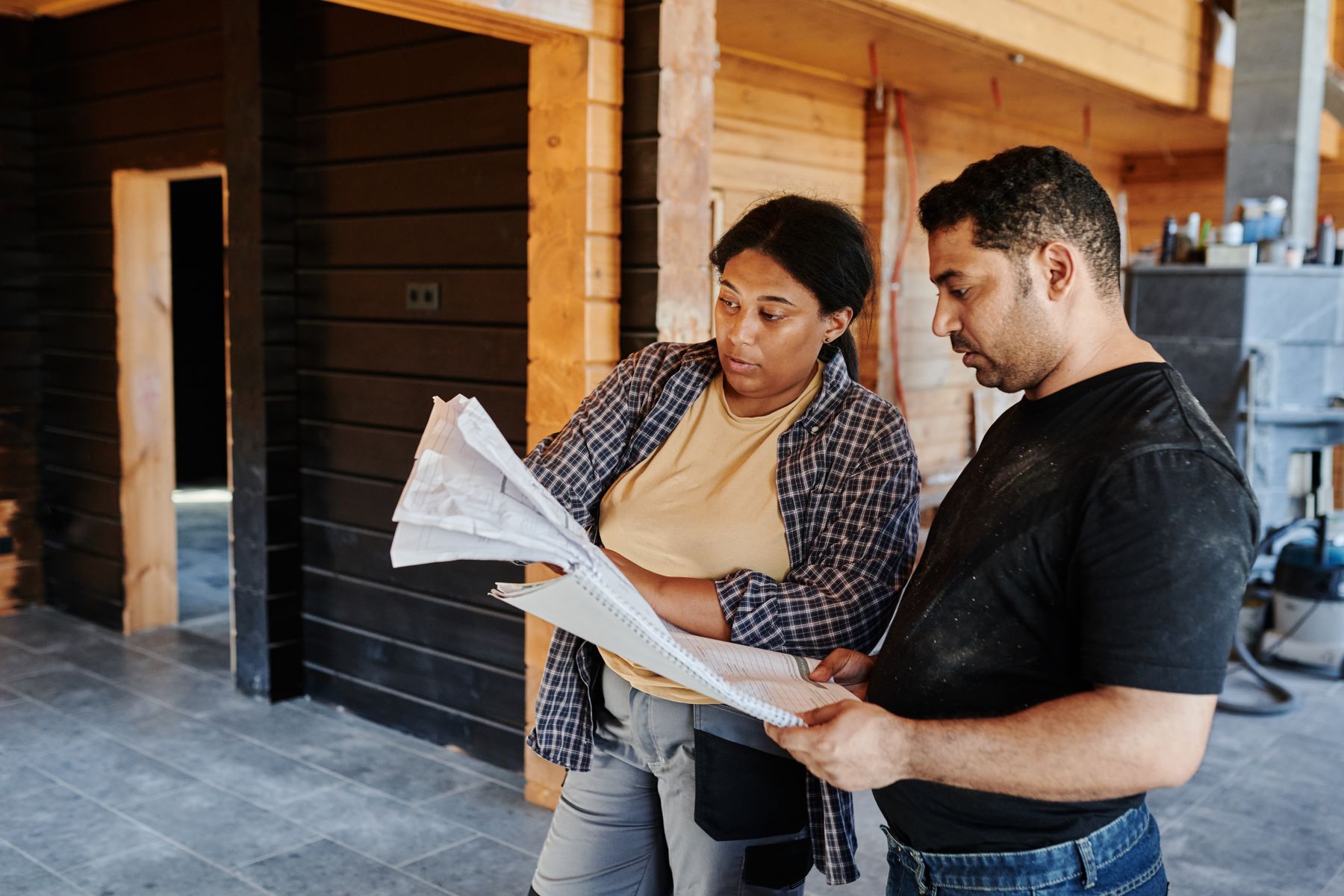
This page sits within our Interior Remodeling and Finish Services family. We handle the drywall scope itself — hanging, taping, mudding, sanding, texturing, and bringing surfaces to a paint-ready condition. Where the underlying cause involves plumbing, electrical, or structural framing, those trades are coordinated separately so the drywall work is not covering up an unresolved problem behind the wall.
3. Scope, Exclusions, and Representative Project Conditions
Drywall projects range from a single patch to full-room hanging and finishing, and the conditions behind the surface often determine the real scope of work.
What the work typically covers:
(i) Patching holes from impact, fasteners, removed fixtures, or abandoned outlet and switch locations. (ii) Repairing cracks caused by settling, seasonal movement, or stress at corners and seams. (iii) Replacing water-damaged sections of wall or ceiling drywall after the moisture source has been addressed. (iv) Finishing new drywall installed during remodeling — taping joints, applying compound, sanding, and texturing. (v) Matching existing wall or ceiling textures so repairs blend into the surrounding surface. (vi) Ceiling repairs including sagging panels, joint failure, and overhead texture work that requires different technique than wall-level finishing.
What falls outside the drywall scope:
(i) Plumbing, electrical, or HVAC work that must be completed before the wall can be closed. (ii) Mold remediation or environmental testing when moisture damage extends beyond the drywall surface. (iii) Structural framing repair — if the backing or framing behind the drywall is compromised, that work comes first. (iv) Interior painting — we bring surfaces to a sanded, primed, paint-ready condition, and painting can be coordinated as a separate scope.
Conditions that shape the work:
Many drywall repairs look small from the room side but involve more work once the damaged section is opened. Water-damaged drywall absorbs moisture through capillary action, meaning the wet area often extends 12 to 24 inches beyond the visible stain. Insulation, framing, and adjacent panels may need attention before the wall or ceiling can be closed back up. Homes with textured finishes add another variable — matching an orange peel, knockdown, skip trowel, or hand-applied pattern requires identifying the original technique and replicating it so the patch is not visible after paint.
Fire-rated assemblies are another condition homeowners often do not anticipate. Garage ceilings that share space with living areas, and shared walls in townhomes or duplexes, require specific drywall types, fastener patterns, and joint treatment to maintain the assembly's rated performance. A repair in one of these locations is not the same as patching a bedroom wall.

4. Distinct Scope Options
Since drywall work varies widely in scale and complexity, we organize projects into four common scope categories. Most estimates fit within one of these paths, and some projects combine more than one.
4.1 Targeted Repair and Patching
Focused repairs for individual holes, cracks, dents, or failed previous patches. This scope covers cutting out the damaged section, installing backing if needed, applying new drywall, taping, mudding, sanding, and texturing the repaired area to match the surrounding surface. This is the most common drywall scope and the one most homeowners are searching for when they look for drywall repair near me.
4.2 Ceiling Repair and Correction
Ceiling drywall behaves differently than wall drywall. Gravity works against every joint, and overhead compound application and sanding require different technique. Ceiling scope includes sagging panel replacement, joint-tape failure, water-stain removal and re-finishing, and texture matching on overhead surfaces. Ceiling repairs typically require more labor than the same repair on a wall because of access, positioning, and the precision needed to keep a flat plane across a large overhead span.
4.3 Post-Remodel and New-Construction Finishing
When a remodel adds, moves, or removes walls, or when new construction reaches the drywall phase, the finishing scope covers hanging new sheets, taping all joints, applying multiple coats of compound, sanding to a smooth plane, and texturing to match the rest of the home or to a specified finish level. This scope often runs alongside carpentry services, cabinet installation, flooring, or tile work during a larger interior project.
4.4 Texture Matching and Resurfacing
When the primary concern is texture inconsistency — visible patches from previous repairs, mismatched sections from different eras of construction, or walls that were repaired but never textured to match — this scope focuses on identifying the original texture pattern and reapplying it so the surface reads as a single continuous finish. Common textures in Northern Utah homes include orange peel, knockdown, skip trowel, and smooth (Level 5) finishes, each requiring different application tools and technique to replicate accurately.
5. Planning Inputs
Before we can put together a drywall estimate, a few details about the project help us scope the work accurately.
5.1 Damage cause and current condition. Whether the damage came from impact, water, settling, a previous repair that failed, or demolition during another project affects how the repair is approached. If the cause has not been resolved — an active leak, ongoing settling, or exposed framing — the drywall scope cannot begin until the underlying issue is addressed.
5.2 Wall vs. ceiling location. Ceiling repairs require different access, technique, and staging than wall-level work. If the damage is on a ceiling, note whether it is a flat ceiling, vaulted, or in a stairwell or other high-access area.
5.3 Existing texture type. If the surrounding surface has texture, identifying the pattern before the estimate helps us plan the matching approach. Take a close-up photo of the existing texture in good light — that single image often tells us more than a written description.
5.4 Room use and fire-rating requirements. Garage ceilings, shared walls in multi-family construction, and walls adjacent to furnace or water-heater closets may require fire-rated drywall assemblies. If you are unsure whether a fire-rated assembly applies, let us know the room location and we can determine what is required.
5.5 Access and furniture. Large furniture, built-ins, or limited room access can affect how the work is staged. For ceiling repairs, overhead clearance and the ability to position scaffolding or lifts matter.
5.6 Finish expectation. Let us know whether the goal is a repair that blends invisibly, a full-room resurfacing to a uniform finish, or drywall finishing for new construction. The finish level — from a basic patch to a Level 5 smooth surface — changes the number of compound coats, sanding passes, and overall labor involved.
6. Cost and Schedule Factors
Every drywall estimate is project-specific. We do not quote sheetrock repair cost from a standard price list because the variables that drive drywall pricing differ significantly from one project to the next. Here are the factors that shape what the work will cost and how long it will take.
6.1 Damage size and patch count. A single small hole is a different scope than five patches spread across three rooms. Each patch requires its own cutting, backing, taping, mudding, sanding, and texture-matching cycle.
6.2 Ceiling vs. wall location. Overhead work is slower, requires more staging, and demands more precision because gravity works against the compound at every step. Ceiling repairs consistently require more labor than the equivalent repair on a wall.
6.3 Texture complexity. A smooth wall repair that just needs sanding and primer is simpler than matching a skip trowel or heavy knockdown pattern. Hand-applied textures require more skill and time than spray-applied patterns.
6.4 Water damage and hidden conditions. When moisture is involved, the visible stain is rarely the full scope. Drywall absorbs and wicks water beyond the stain line, meaning removal often extends past what was visible before the wall was opened. If insulation, framing, or adjacent panels are affected, the scope grows before the wall can be closed.
6.5 Fire-rated assembly requirements. Repairs in fire-rated locations require specific materials, fastener patterns, and joint treatment. The assembly must be restored to its rated performance, which adds material and labor steps that do not apply to standard drywall repairs.
6.6 Compound coats and finish level. A basic repair patch might need two coats of compound. A Level 5 smooth finish across a full room requires multiple skim coats, extensive sanding, and more time between coats for drying. The finish level is the single largest variable in labor time for new-construction drywall finishing.
6.7 Coordination with other trades. If the drywall scope follows or precedes other interior finish work — flooring, trim, cabinets, tile — sequencing affects when the drywall crew can access the space and how the work is staged to avoid rework.
7. Process, Sequencing, and Responsibility Boundaries
Drywall work follows a specific order, and skipping or rushing steps is where most finish-quality problems begin.
7.1 Assessment and scope confirmation. We look at the damage, check what is behind the surface, confirm whether the cause has been resolved, and identify texture type, fire-rating requirements, and access conditions. This step determines whether the project is a straightforward patch or something that needs broader preparation before drywall work can begin.
7.2 Preparation and protection. Furniture is moved or covered, floors are protected, and dust containment is set up. Drywall generates significant fine dust during sanding, and containment keeps it out of adjacent rooms.
7.3 Removal and backing. Damaged drywall is cut out cleanly to sound material. If the section is larger than a simple patch, backing or framing support is installed so the new piece has a solid mounting surface. In water-damage situations, removal continues until moisture readings confirm dry material on all sides.
7.4 Hanging and taping. New drywall is cut, fitted, and fastened. Joints are taped and a first coat of compound is applied. Corner bead is installed where corners need to be rebuilt.
7.5 Mudding and sanding. Multiple coats of joint compound are applied, with drying time between each coat. Each coat is sanded smooth before the next is applied. The number of coats depends on the finish level — a basic repair may need two, while a smooth finish requires three or more.
7.6 Texture application. Once the surface is sanded flat, texture is applied to match the surrounding wall or ceiling. Spray textures (orange peel, knockdown) use a hopper gun; hand textures (skip trowel) are applied manually. The texture is tested on a sample area first and adjusted until the pattern, droplet size, and depth match the existing surface.
7.7 Final inspection and paint-ready handoff. The finished surface is checked under working light for visible seams, ridges, or texture mismatches. We deliver the surface sanded, primed where specified, and ready for paint. Painting is coordinated as a separate scope unless included in a broader remodeling project.
Responsibility boundaries: We handle the drywall scope from removal through paint-ready delivery. Plumbing, electrical, HVAC, structural framing, and environmental remediation are resolved before we close the wall. If those trades need coordination during a larger project, we manage the sequencing so the drywall phase does not begin until the cavity behind it is complete and inspected where required.
8. Service Area
Cornerstone Custom Construction & Remodeling is based in Roy, Utah and serves Davis, Weber, and Salt Lake counties as our primary service area for drywall work. We also consider projects elsewhere in Utah when the scope and project economics fit.
Drywall is one of the most common interior trades, and local availability matters because the work often involves multiple site visits — assessment, preparation, hanging, mudding coats with drying time between, texture, and final inspection. A contractor based in the service area can schedule those visits efficiently without inflating the project cost with travel.
9. Related Services
Drywall work frequently connects to other interior and structural services. These links help you find the right page if your project extends beyond the drywall scope alone.
Interior finish services that often include drywall:
(i) Kitchen Remodeling — wall modifications, soffits, and finish work around new cabinets and layouts. (ii) Bathroom Remodeling — drywall replacement behind removed tile, moisture-resistant board in wet areas, ceiling finishing. (iii) Whole Home Remodeling and Construction — full-house drywall finishing after major renovation. (iv) Closet and Storage Systems — wall finishing inside new or reconfigured closet spaces. (v) Countertop Services — wall repair and finishing behind new countertop and backsplash installations.
Structural and restoration services that precede drywall:
(i) Restoration, Waterproofing and Structural Services — drywall replacement after water events, fire damage, or structural repair. (ii) Handyman Services — smaller drywall patches that fall within a broader handyman scope.
Adjacent interior categories:
(i) Flooring Services — sequenced alongside or after drywall finishing in remodel projects. (ii) Browse all services including exterior and new construction categories.
10. Frequently Asked Questions
Why do drywall repairs sometimes expand beyond the visible spot? Drywall absorbs moisture through capillary action, meaning water often travels 12 to 24 inches past the visible stain line inside the wall or ceiling cavity. When the damaged section is removed, the actual wet or degraded area is frequently larger than what was visible from the room side. Insulation behind the drywall may also be saturated, and framing may need to dry or be treated before the wall can be closed. Cutting to sound, dry material on all sides is what prevents the repair from failing again after the wall is finished.
What is the difference between a Level 3 and a Level 5 drywall finish? Finish levels describe how smooth and refined the surface is after taping and mudding. A Level 3 finish — two coats of compound over taped joints — is common for surfaces that will receive heavy texture. A Level 5 finish adds a skim coat over the entire surface, creating a uniformly smooth plane with no visible joints, fastener marks, or surface variation. Level 5 is used for smooth-wall finishes or areas with critical lighting where any imperfection would be visible. The difference in labor between the two is significant because Level 5 requires additional compound coats, more sanding, and careful inspection under raking light.
How do you match a texture I cannot identify? We look at the existing pattern, droplet size, edge profile, and depth to determine how it was originally applied. Most residential textures fall into a few common categories — orange peel, knockdown, skip trowel, or smooth — and each has a distinct application method. We test the match on a sample area before applying it to the repair, adjusting compound consistency, spray distance, or trowel pressure until the pattern blends with the surrounding surface.
Does a garage ceiling or shared wall require special drywall? Yes. Garage ceilings adjacent to living space and shared walls in townhomes or duplexes typically require fire-rated drywall assemblies. The fire rating applies to the entire assembly — drywall type and thickness, fastener pattern, joint treatment, and insulation — not just the panel itself. When repairing drywall in these locations, the assembly must be restored to its rated performance. We identify fire-rated locations during the assessment and use the correct materials and methods for the repair.
Can drywall work happen while we are living in the home? In most cases, yes. We use dust containment to isolate the work area from the rest of the house, and we schedule mudding and sanding coats with drying time between visits. For larger projects — full-room resurfacing or post-remodel finishing across multiple rooms — there may be periods where certain rooms are inaccessible during active sanding. We discuss staging and access before the project starts so you know what to expect.
What should I include when requesting a drywall estimate? Photos of the damaged area, a wider shot showing the room context, and a note about what caused the damage. If the surface has texture, a close-up photo of the texture pattern in good light is the single most useful detail. Also note whether the damage is on a wall or ceiling, whether it involves a garage or shared-wall location, and whether the cause has been resolved or is still active.
11. Get a Drywall Estimate
Call us at 801-389-3161 or email info@cornerstoneconstructionremodeling.com to start a drywall estimate conversation. Send photos of the damage, note whether it is on a wall or ceiling, and let us know if the cause has been addressed. We typically respond same day during normal availability.
You can also request a free estimate through our contact page to get the conversation started.