Handyman Services in Roy, Utah
Handyman services cover the repair, maintenance, and improvement work that keeps a home functioning correctly between larger remodeling projects. These are the tasks that are individually small but collectively affect how the house operates day to day — doors that do not latch, trim that has separated, hardware that is failing, finishes that have worn through, and seasonal wear that accumulates faster than most homeowners can address on their own.
Cornerstone Custom Construction and Remodeling has over 15 years of experience handling handyman-scope work across Northern Utah. Our S220 Carpentry Contractor and Handyman classification means we bring licensed carpentry capability to smaller repair and maintenance visits — the same construction knowledge that drives our larger remodeling and structural projects, applied to the focused tasks that keep a home in good working order.
Call us at 801-389-3161 or email info@cornerstoneconstructionremodeling.com to start a free estimate conversation.

Who This Service Fits
Handyman services fit homeowners who have accumulated a list of repair, maintenance, or improvement items that are individually too small to justify a full remodeling project but too important to continue deferring. Common situations include a backlog of fix-it tasks that have built up over months or years, seasonal maintenance items that need attention before weather changes, a handful of upgrades or installations that make sense to handle in one visit, and post-project punch-list work from a recent remodel or construction scope.
This service sits within our Interior Remodeling and Finish Services family. Cornerstone's handyman role is focused, practical repair and improvement work — fixing what is broken, maintaining what is wearing, and installing what is needed. When a repair reveals a larger problem that crosses into structural work, licensed trade territory, or full remodeling scope, we identify that boundary clearly and either coordinate the appropriate trade or transition the project into the right service path within our own capabilities.


Scope, Conditions, and Boundaries
Handyman work covers a broad range of tasks, and clear scope definition is what separates a productive visit from an unfocused one.
What falls inside handyman scope. (i) Repair and correction work — door and window adjustments, hardware replacement, hinge and latch repairs, lock changes, weather stripping replacement, caulking renewal, minor leak corrections at fixtures, toilet repairs, faucet cartridge swaps, and similar fixes that restore function without altering structure or systems. (ii) Interior finish maintenance — drywall patching, nail pop repair, trim reattachment, baseboard replacement, paint touch-ups, and surface corrections that address wear, damage, or cosmetic deterioration. (iii) Installation and mounting — shelving, closet rods, towel bars, grab bars, curtain hardware, TV mounts, smoke detectors, carbon monoxide detectors, door stops, and similar fixtures that attach to existing surfaces and framing. (iv) Seasonal and preventive maintenance — caulk inspection and renewal around windows, doors, and wet areas; weather stripping checks; exterior hardware tightening; deck and fence spot repairs; and other proactive upkeep that prevents small issues from growing into larger problems. (v) Accessibility modifications — grab bar installation, lever handle conversions, threshold adjustments, and similar changes that improve safe access without requiring structural modification.
What falls outside handyman scope. Licensed trade work — new electrical circuits, panel modifications, gas line work, and plumbing rough-in or rerouting — requires trade-specific licensing regardless of project size. Structural modifications — removing or altering load-bearing walls, modifying roof framing, or changing the structural layout of the home — are contractor-scope work that falls under our broader construction capabilities. Full-room remodeling that involves design, demolition, and coordinated multi-trade finish work belongs in our custom remodeling, kitchen remodeling, or bathroom remodeling service paths.
The Wasatch Front maintenance cycle. Northern Utah's climate accelerates the maintenance cycle that drives handyman demand. Over 150 freeze-thaw cycles per year cause caulk and weather stripping to deteriorate faster than in milder climates. Spring reveals the cumulative winter damage — separated trim, swollen doors, cracked caulk lines, and hardware loosened by thermal cycling. Fall requires tightening, sealing, and weatherproofing before the next winter. This seasonal rhythm makes grouped handyman visits — spring assessment and repair, fall preparation — particularly productive in Davis, Weber, and Salt Lake counties.
Four Handyman Service Categories
Most handyman work falls into one of four categories based on the nature of the task and the homeowner's objective.
Repair and correction. This category covers items that are broken, damaged, or no longer functioning as intended. Door latches that do not catch, drawers that bind, faucets that drip, toilets that run, trim that has separated from the wall, drywall that has cracked or been punctured, and hardware that has loosened or failed. The goal is restoration to proper working condition. Repair visits are the most common entry point for handyman service because these are the problems homeowners notice daily and eventually decide to address.
Maintenance and seasonal upkeep. Preventive maintenance catches small issues before they become expensive repairs. Caulk renewal around tubs, showers, windows, and exterior penetrations. Weather stripping replacement on doors and windows. Deck and fence hardware tightening. Exterior trim inspection for paint failure or moisture intrusion. Smoke and carbon monoxide detector testing and replacement. These tasks are most efficient when grouped into seasonal visits — a spring walkthrough to assess winter damage and a fall visit to prepare the home for cold weather.
Installation and improvement. Installation work adds function or convenience without altering the home's structure. Shelving and storage systems, closet rods and organizers, towel bars and bath accessories, grab bars and safety hardware, TV mounting, curtain and blind hardware, door hardware upgrades, smart home devices, and similar items that attach to existing walls, ceilings, or cabinetry. The work is straightforward when the mounting surface is sound — and identifying whether the surface is sound is where our carpentry background adds value over a general handyman visit.
Punch-list and grouped task visits. The most efficient handyman visits combine several related items into a single session. A punch list after a remodel might include door adjustments, hardware installation, touch-up paint, and trim corrections across multiple rooms. An accumulated repair list might group a sticking door, two drywall patches, a loose handrail, and a faucet drip into one visit. Grouping reduces mobilization cost, keeps related repairs from falling through the cracks, and gives the homeowner a single point of completion for items that would otherwise be deferred indefinitely.

Planning Inputs and Homeowner Preparation
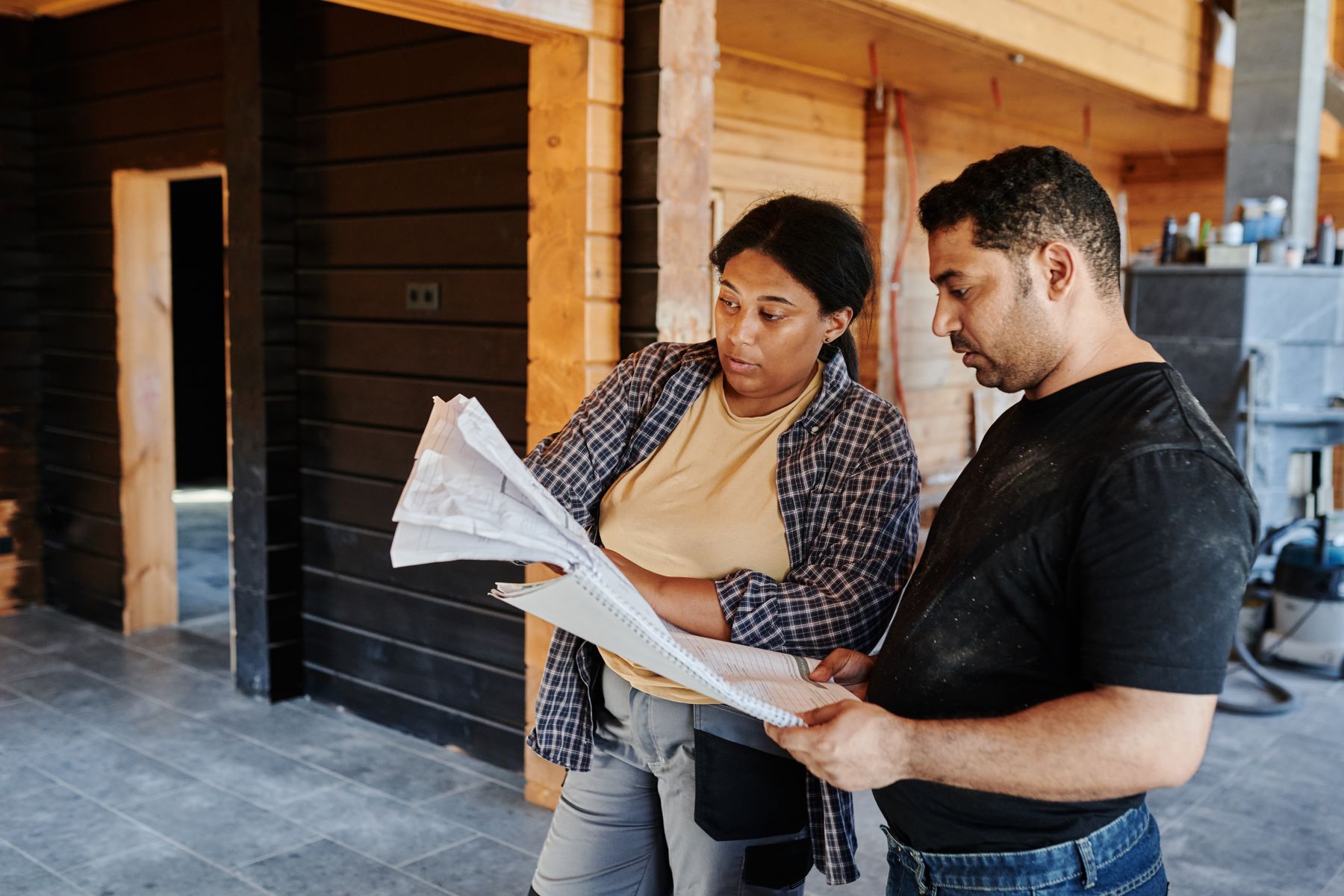
Before a handyman estimate can be scoped accurately, several practical details help determine what the visit will involve.
Task list and prioritization. Write down every item you want addressed, then identify which ones are time-sensitive — active leaks, safety hazards, seasonal deadlines — versus which ones are convenience improvements that can wait. A clear list prevents the visit from being consumed by the first item at the expense of higher-priority work elsewhere in the house.
Photos and documentation. Photograph each problem area. For repairs, capture the current condition and any visible damage. For installations, photograph the wall or surface where the item will be mounted, including any nearby obstructions, outlets, or trim. Photos allow the scope to be estimated before the visit and reduce the time spent diagnosing on site.
Access and working conditions. Note whether any task involves high ceilings, attic access, crawl space entry, tight closets, or exterior ladder work. Access conditions affect the time required and the equipment needed. If furniture or stored items need to be moved before the work can begin, handling that before the visit keeps the session focused on the repair work itself.
Materials and parts. Some homeowners have already purchased the fixture, hardware, or replacement part. Others prefer the contractor to source materials. Either approach works — the key is communicating it before the visit so the right materials are on hand and the trip is not interrupted by a parts run.
Expansion risk. Some items on a repair list may turn out to be larger than they appear. A sticking door might be a hinge adjustment, or it might indicate floor settlement or framing shift that changes the scope. A drywall crack might be cosmetic, or it might signal moisture behind the wall. Flagging any item you suspect might be more than a surface fix helps the estimate account for possible scope changes.
Cost and Schedule Factors
Handyman work varies in scope, and we provide project-specific estimates rather than generic rates. Here is what typically drives the scope and investment for a handyman visit.
Task count and complexity. A visit addressing three straightforward items — a door adjustment, a faucet repair, and a drywall patch — is a different scope than a visit involving ten items spread across multiple rooms with varying complexity. More tasks require more time, and complex tasks require more skill and attention than simple swaps.
Task type and skill level. Basic hardware replacement, paint touch-ups, and caulking are lower-complexity work. Trim carpentry, door fitting, tile spot repairs, and accessibility installations require more precision and trade knowledge. The mix of task types on the list affects the estimate.
Materials and parts. Whether parts are homeowner-supplied or contractor-sourced, and whether the items are standard stock or special-order, affects both cost and scheduling. Specialty hardware, matching trim profiles, and discontinued fixture models can add sourcing time.
Working conditions and access. Tasks at height, in confined spaces, or requiring furniture relocation take longer than the same work at comfortable working height with clear access. Two-story foyers, vaulted ceilings, and finished attic spaces all affect the time and equipment required.
Concentrated versus distributed work. A task list focused in one room or one area of the house is more efficient than the same number of tasks spread across multiple floors, rooms, and exterior locations. Concentrated work reduces setup and transition time between items.
Discovery and scope expansion. Repair work sometimes reveals conditions that change the scope. A simple fixture swap may uncover water damage behind the wall. A door adjustment may expose a framing issue. When a handyman task expands into trade-specific or structural territory, we communicate the change and adjust the approach — either handling it within our carpentry and construction capabilities or coordinating the appropriate licensed trade.
Process and Coordination
Handyman visits follow a practical sequence designed to address the task list efficiently and handle any surprises that surface during the work.
7.1 Task review and scoping. We review the full task list, photos, and any details you have provided. Items are evaluated for complexity, materials needed, access conditions, and whether any task is likely to expand beyond surface repair. This step produces the estimate and determines what can be accomplished in a single visit versus what may require a follow-up.
7.2 Prioritization and sequencing. Tasks are ordered to make the best use of time on site. Time-sensitive items come first. Related tasks in the same area are grouped. Work that produces dust, debris, or wet surfaces is sequenced so it does not interfere with nearby finish work. If the list is longer than a single visit can accommodate, the most critical items are addressed first.
7.3 Materials and preparation. Parts, fixtures, and materials are sourced or confirmed before the visit. If homeowner-supplied materials are involved, they are verified for fit and completeness. Preparation prevents mid-visit interruptions that waste time and extend the schedule.
7.4 On-site execution. Each task is completed in the prioritized sequence. Straightforward repairs and installations proceed as scoped. Items that reveal unexpected conditions — moisture behind drywall, structural movement behind a sticking door, corroded plumbing behind a fixture — are documented and discussed with the homeowner before the scope changes.
7.5 Escalation handling. When a handyman task crosses into work that requires licensed trade involvement or a larger construction scope, we identify the boundary clearly. If the work falls within our S220 carpentry and construction capabilities, we can often address it directly or transition it into the appropriate service path. If it requires a licensed electrician, plumber, or HVAC technician, we communicate that so the homeowner can coordinate the right professional.
7.6 Completion and walkthrough. Finished work is reviewed with the homeowner. Each item on the original list is confirmed as completed, deferred, or escalated with a clear explanation of status. Work areas are cleaned, and any items that need follow-up — parts on order, tasks deferred to a second visit, or trade referrals — are documented.
Responsibility boundaries. Cornerstone performs the handyman-scope repair, maintenance, and installation work within our S220 Carpentry Contractor and Handyman classification. Licensed electrical, plumbing, HVAC, and gas work is performed by qualified trade professionals. Structural modifications, full-room remodels, and permit-required construction fall under our broader service capabilities and are scoped accordingly.
Service Area
We handle handyman projects primarily across Davis, Weber, and Salt Lake counties — the three-county area where most of our residential repair and maintenance work is concentrated. Roy, Ogden, Layton, Clearfield, Syracuse, Kaysville, Bountiful, Centerville, Farmington, and surrounding communities are all within our primary service area.
Handyman projects elsewhere in Utah are considered when the scope and project economics support the work. Visit our Roy service area page for more on local coverage and related service paths.
Related Services
Handyman work frequently connects to other services within our Interior Remodeling and Finish Services family and across our broader capabilities. A handyman visit often surfaces conditions that lead to a more focused service path.
Within the Interior Remodeling and Finish Services family:
(i) Bathroom Remodeling — when handyman repairs in a bathroom reveal broader fixture, tile, or layout issues that warrant a full remodel scope.
(ii) Cabinet Installation and Refacing — when cabinet hardware adjustments or door realignment point to cabinets that need refacing or replacement rather than repair.
(iii) Carpentry Services — when a handyman repair crosses into trim carpentry, custom built-in work, or finish carpentry that requires dedicated scope.
(iv) Closet and Storage Systems — when shelving installation or closet repairs lead to a full storage system design and build.
(v) Countertop Services — when surface damage or wear around countertops extends beyond cosmetic repair into replacement scope.
(vi) Custom Remodeling — when a collection of handyman items in one area reveals that the room needs a coordinated remodel rather than individual fixes.
(vii) Drywall Services — when patching and repair work expands into full drywall replacement, texture matching, or water-damaged wall sections.
(viii) Flooring Services — when floor-related repairs like squeaks, damaged boards, or loose tile indicate a need for broader flooring work.
(ix) Kitchen Remodeling — when kitchen hardware swaps, fixture replacements, and minor repairs point to a kitchen that has outgrown cosmetic maintenance.
(x) Tile and Grout Services — when grout repair, caulk renewal, or cracked tile replacement reveals underlying moisture or substrate issues.
(xi) Whole Home Remodeling and Construction — when handyman visits across multiple rooms indicate the home needs a coordinated whole-home approach rather than piecemeal repair.
Across service families:
Browse our full services directory to see how handyman services connect to new construction projects, exterior and outdoor services, and restoration, waterproofing and structural services where repair work surfaces conditions that require a different scope.
Frequently Asked Questions
How do you know when a handyman project should become a bigger trade-specific job? Three signals indicate the work has crossed beyond handyman scope. First, when the repair involves a system that requires trade-specific licensing — new electrical circuits, gas connections, plumbing rerouting, or HVAC installation — a licensed trade professional is required regardless of how small the task appears. Second, when the work affects the structure of the home — load-bearing walls, roof framing, foundation connections — it moves into contractor-scope construction rather than handyman repair. Third, when a surface fix reveals hidden damage that changes the scope — moisture behind drywall, rot inside a wall cavity, insect damage in framing — the project has expanded beyond the original repair and needs to be evaluated as a larger scope. We identify these boundaries during the visit and communicate clearly when a task has moved beyond handyman territory.
What usually affects a handyman estimate the most? Task count and task complexity carry the most weight. A visit with three simple hardware swaps in one bathroom is a fundamentally different scope than a visit with eight items across three floors involving trim carpentry, drywall repair, and fixture installations. Beyond those, materials sourcing, access conditions, discovery risk, and whether the work is concentrated in one area or distributed across the property all contribute to the estimate.
Is it better to group several small repairs into one visit or call for each one separately? Grouping is almost always more efficient. A single visit addressing five to ten items eliminates the repeated mobilization cost of separate calls, keeps related repairs from being deferred indefinitely, and allows the work to be sequenced so related tasks are handled together. The most productive handyman visits start with a written list organized by priority and location within the house.
What should I have ready before a handyman visit? A written task list, photos of each problem area, and clear access to the work locations. If you have already purchased parts or fixtures, confirm they are on hand and complete. If furniture or stored items block access to the work area, moving them before the visit keeps the session focused on the actual repairs. Flag any item you suspect might be more than a surface fix so the estimate can account for possible expansion.
Can a handyman visit address both interior and exterior items? Yes. Many visits combine interior repairs with exterior tasks like caulk renewal, weather stripping replacement, deck hardware tightening, or fence spot repairs. The key is including all items on the task list so the visit can be sequenced efficiently rather than discovering exterior needs after the interior work is complete.
How does seasonal timing affect handyman scheduling on the Wasatch Front? Spring and fall are the highest-demand windows because the Wasatch Front's freeze-thaw cycles create distinct seasonal maintenance needs. Spring visits address winter damage — separated caulk, swollen doors, loosened hardware, cracked trim. Fall visits prepare the home for cold weather — weather stripping replacement, exterior sealing, draft corrections, and seasonal upkeep. Scheduling early in each season gives the best availability and allows the work to be completed before the conditions that created the need return.
Start a Handyman Conversation
If the repair list is growing, the maintenance backlog is building, or the house has a collection of smaller problems you are ready to address, the right next step is a conversation that turns the list into a plan.
Call or text 801-389-3161 to describe the items and schedule a visit.
Email info@cornerstoneconstructionremodeling.com with a written task list and photos of each problem area, organized by priority and room or location.
Or use the contact page to request a free handyman estimate. Include the task list, the rooms or areas involved, whether any items are time-sensitive, and whether you suspect any repair might expand beyond a surface fix.
We typically respond to inquiries the same day during normal business availability.