Tile and Grout Services in Davis, Weber, and Salt Lake Counties
Tile is a finish surface, but its performance depends almost entirely on what is underneath it. The substrate has to be flat, stable, and — in wet areas — properly waterproofed before a single tile goes down. Layout, thinset coverage, grout joints, edge transitions, and sealing all follow from that foundation. When any of those layers are wrong, the result shows up as cracked grout, loose tiles, moisture damage, or surfaces that look finished but do not hold up to the way the room is actually used.
Cornerstone Custom Construction & Remodeling handles tile and grout projects across Davis, Weber, and Salt Lake counties, with 15+ years of construction and remodeling experience. Call or email to start a free estimate conversation.
Quick Answers
Who is this page for?
Homeowners comparing tile installers, planning a backsplash or shower tile project, evaluating grout repair or regrouting, or scoping a floor or wall tile installation where the current surface is failing or outdated. Builders, investors, and property owners with tile-scope work should also use this page to confirm project fit.
What does the work usually include?
Tile and grout projects commonly involve new tile installation on floors, walls, showers, and backsplashes, as well as tile removal and replacement, grout repair, regrouting, substrate preparation, waterproofing in wet areas, and edge and transition detailing. The scope depends on whether the project is a new installation, a repair, or a refresh of an existing tiled surface.
What should you do next?
Call 801-389-3161 or email info@cornerstoneconstructionremodeling.com with your address, photos of the tile area, and a description of what needs to change. Include whether the project is grout repair, tile replacement, or a new installation, and which room and surfaces are involved. That gives Cornerstone enough to confirm fit and move into the right estimate path.
Who This Service Fits
Tile and grout work applies when a tiled surface needs installation, repair, or replacement — or when grout has deteriorated to the point that cleaning alone will not restore it. Common starting points include:
- Cracked, crumbling, or missing grout lines in a shower, floor, or backsplash
- Loose, hollow-sounding, or lifting tiles that indicate a bond or substrate failure beneath the surface
- A bathroom, kitchen, or entryway where the existing tile is outdated, damaged, or no longer fits the room's function
- A new installation where tile is going onto a surface for the first time — a shower surround, a kitchen backsplash, a laundry room floor, or a fireplace face
- Moisture-related damage in a shower or wet area where the tile, grout, and waterproofing all need to be addressed together
Cornerstone's requested role on a tile project depends on the scope. Some jobs are focused grout repairs. Others are full shower retiles with backer board, waterproofing membrane, and new tile from floor to ceiling. Others are tile work inside a broader kitchen or bathroom remodel. The scope and responsibility boundaries are established during the estimate conversation — not assumed from a service name.
Scope, Exclusions, and Representative Project Conditions
What tile and grout work typically covers:
- Tile installation on floors, walls, shower surrounds, backsplashes, tub decks, niches, and other surfaces — ceramic, porcelain, natural stone, glass, and mosaic formats
- Substrate preparation — leveling, cement backer board installation, and surface correction to ensure a flat, stable base for tile
- Waterproofing — membrane application in showers, tub surrounds, and other wet areas where moisture must not reach the framing behind the tile
- Thinset mortar application, tile setting, spacing, and alignment according to the planned layout
- Grouting — filling joints between tiles with the appropriate grout type, cleaning excess, and curing
- Sealing — applying grout sealer to protect joints from moisture absorption and staining, and sealing natural stone tile surfaces where required
- Grout repair and regrouting — removing failed, cracked, or deteriorated grout and replacing it with new material
- Edge treatments, trim pieces, transition strips, and detail work at corners, niches, shelves, and where tile meets adjacent surfaces
What tile and grout work does not typically include on its own:
Tile and grout services focus on the tiled surface and the preparation layers immediately behind it. Plumbing fixture installation, electrical work, full bathroom or kitchen renovation scope, and structural subfloor correction beyond what is needed for a flat, stable tile substrate fall under their own service scopes. Trade coordination and responsibility boundaries are confirmed during the estimate conversation.
Representative project conditions:
Shower walls where moisture has penetrated through failed grout and damaged the backer board behind the tile. Floor tile installed over an uneven or deflecting subfloor that causes recurring grout cracks no matter how many times the grout is repaired. Multiple layers of old tile or adhesive residue that must be removed before new tile can bond properly. Existing grout that is cracking not because of grout quality but because the substrate beneath the tile is moving. These conditions are common — they are part of why the estimate conversation matters before committing to a scope.

Scope Options
Tile and grout work generally falls into one of four categories. Understanding which one fits your project helps the estimate conversation start in the right place.
New tile installation — Floors, walls, showers, backsplashes, surrounds, and other surfaces where tile is being installed for the first time or replacing a different finish material. Includes full substrate preparation, layout, setting, grouting, and sealing. New installation projects define the layout, material, and detail work from the ground up.
Tile replacement — Removing failing or outdated tile and installing new tile in its place. Replacement projects often reveal substrate conditions that were hidden beneath the old installation — damaged backer board, moisture intrusion, uneven surfaces, or old adhesive layers that need to be cleaned before new tile can bond properly. The scope of substrate repair is usually the biggest variable in a replacement project.
Grout repair and regrouting — Addressing cracked, crumbling, stained, or failing grout joints. Ranges from spot repair of isolated areas to full grout removal and replacement across an entire surface. The critical question in any grout repair is whether the grout itself failed or whether the failure is caused by something beneath it — substrate movement, moisture, or a bond issue — because fixing only the grout when the real problem is underneath leads to the same failure repeating.
Shower and wet-area tile — Tile work in spaces where water is present during normal use: showers, tub surrounds, steam enclosures, and other moisture-critical areas. These projects require cement backer board rather than standard drywall, waterproofing membrane on all surfaces that will receive water exposure, proper slope toward drains, and careful joint and transition detailing. Wet-area tile work is more involved than dry-area installation because the waterproofing layer behind the tile is doing as much structural work as the tile itself.
Planning Inputs
The more detail you bring to the estimate conversation, the more accurately the scope can be defined. Useful inputs include:
- Photos of the tile surface and grout lines — close-up shots of problem areas (cracks, loose tiles, staining, moisture damage) plus full room shots showing the overall surface
- Room and surface identification — which room, which surfaces (floor, walls, shower, backsplash), and approximate dimensions if known
- Current tile material if known — ceramic, porcelain, natural stone, or other — and whether the existing tile needs to be removed or can be tiled over
- Tile preferences for new installations — material type, size, color, pattern direction, and finish (matte, polished, textured) if you have selections in mind
- Moisture or substrate concerns — whether tiles sound hollow when tapped, whether grout has been repaired before and keeps failing, whether there are signs of moisture behind the tile (staining, soft spots, mold, musty odor)
- Related work — whether tile is one piece of a broader kitchen or bathroom remodel, which affects sequencing and coordination with other trades
- Access and occupancy — whether the room will be out of service during the work, and any timing constraints
You do not need all of this before reaching out. A phone call or email with photos and a description of what needs to change is enough to start.
Cost and Schedule Factors
Tile and grout pricing depends on the actual scope, materials, substrate conditions, and project complexity — not a fixed rate per square foot. The main factors that move cost:
Surface area is the baseline. Larger areas require more material, more thinset, more grout, and more labor hours. But area alone does not determine the estimate — a small shower with complex layout, multiple niches, and waterproofing requirements can cost more than a large, simple floor.
Tile type and size affect both material and labor. Ceramic tile is generally the most affordable and easiest to cut. Porcelain is denser and more durable but harder to cut and slower to install. Natural stone requires sealing and more careful handling. Glass and mosaic tiles involve more detailed setting work. Larger-format tiles require flatter substrates and more precise leveling. Smaller mosaic formats require more grout joints and more cuts per square foot.
Layout complexity changes labor significantly. A straight grid pattern installs faster than a diagonal, herringbone, or custom pattern. Every direction change, border, inset, or pattern shift adds cuts and alignment work.
Substrate condition is often the biggest variable — and it is hidden until the old tile comes off. Damaged backer board, moisture-compromised sheathing, uneven subfloors, old adhesive layers, and deflecting floor structures all add preparation work before any new tile can go down. This is the most common source of estimate adjustments on replacement projects.
Wet-area requirements add scope. Showers and tub surrounds require cement backer board, waterproofing membrane, proper slope, and drain integration — steps that dry-area floors and backsplashes do not need.
Demolition and removal affect cost when old tile, adhesive, or backer board must come out before new installation begins. Multiple old layers, tile set in thick mortar beds, and tile bonded directly to drywall (common in older homes) all increase removal difficulty.
Grout type matters for both performance and cost. Standard cement-based grout, modified grout, and epoxy grout serve different purposes and carry different material and labor costs. Sealing requirements vary with grout type and tile material.
Cornerstone provides free estimates. Project pricing is handled through a scope conversation, not a fixed menu. No price, deposit, or timeline commitment is made until the scope is reviewed and agreed on.
Process and Sequencing
Tile installation follows a sequence. Each step depends on the one before it, and shortcuts in preparation create problems that surface weeks or months after the tile looks finished.
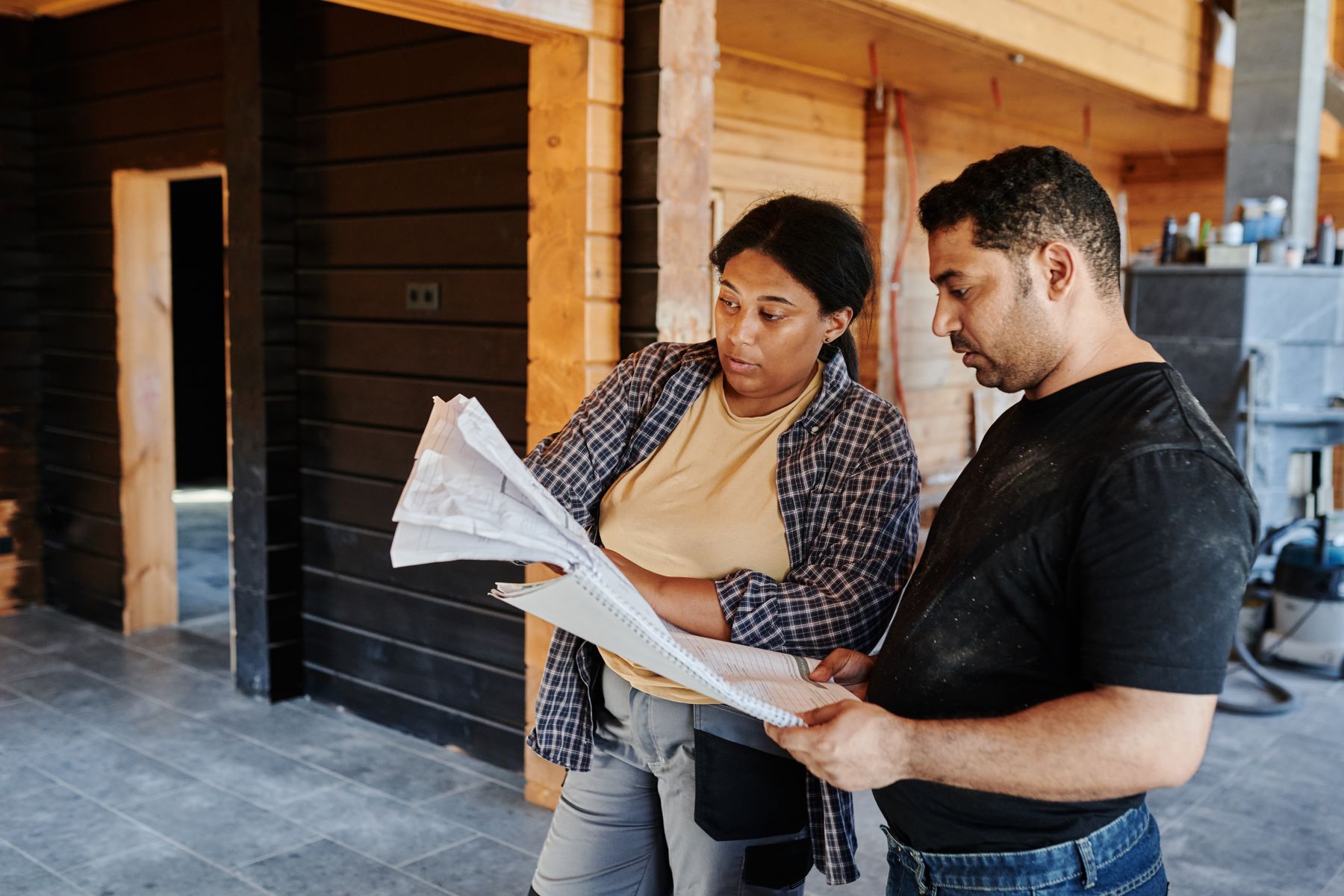
Assessment and scope — The project starts with a conversation about the surfaces involved, what the current conditions are, and what the finished result should look like. Photos, room dimensions, and material preferences move this forward.
Demolition — If existing tile is being replaced, the old tile, adhesive, and any damaged substrate material are removed first. This is when hidden conditions surface — moisture damage, compromised backer board, uneven subfloor, or adhesive residue that requires additional preparation.
Substrate preparation — The surface that will receive tile must be flat, stable, and appropriate for the application. On floors, this may involve leveling compound, plywood underlayment, or cement backer board. On walls, cement backer board replaces standard drywall in wet areas. In showers, waterproofing membrane is applied over the backer board before any tile is set. Substrate preparation is the step that determines whether the tile and grout will hold up over time.
Layout and dry fit — Tiles are arranged on the surface without adhesive to confirm the pattern, check alignment, identify where cuts will fall, and verify that the layout looks right before anything is permanently set. Layout planning determines where the first tile starts, how cuts fall at edges and corners, and where pattern lines meet transitions.
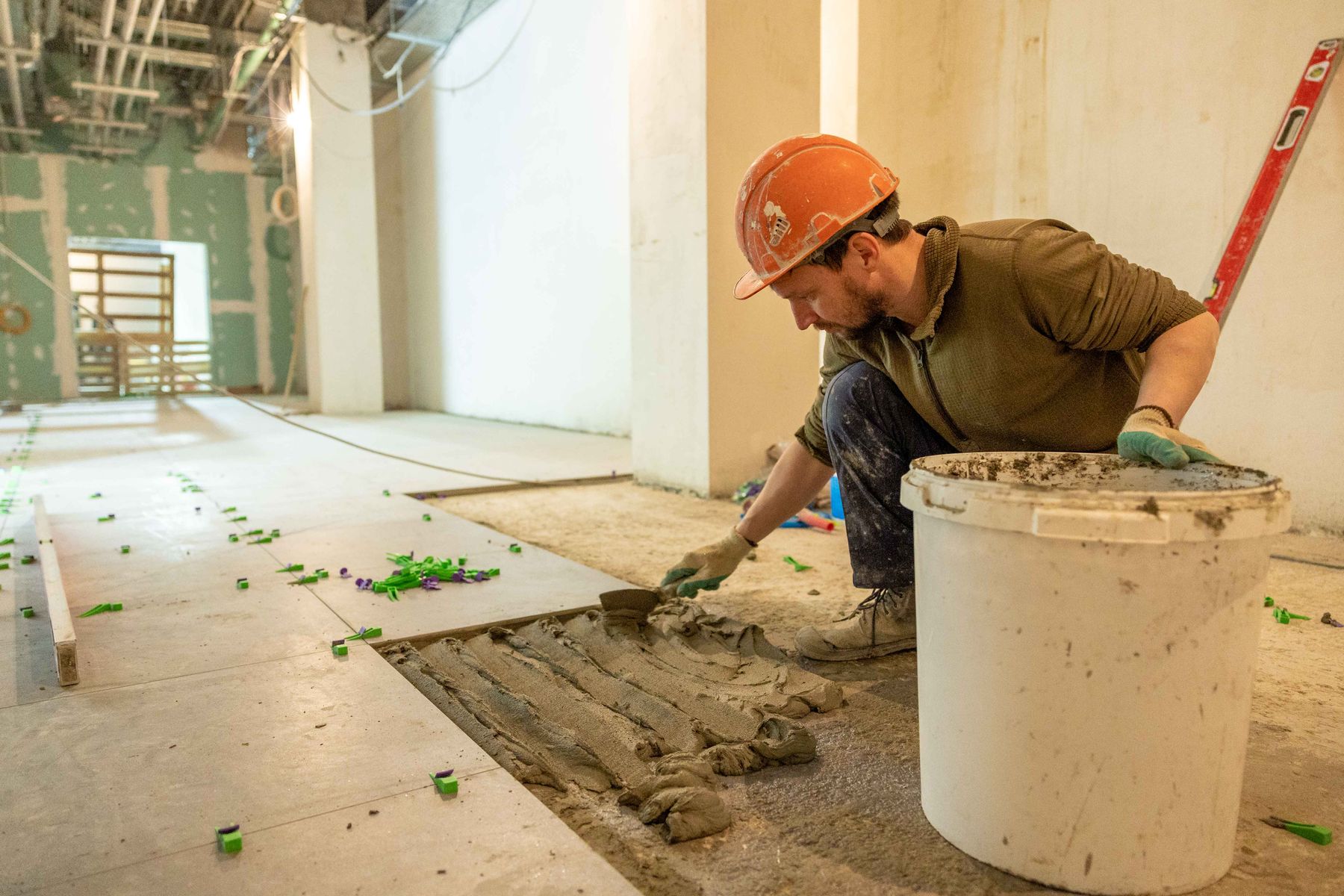
Thinset and tile setting — Thinset mortar is applied to the substrate, and tiles are set according to the planned layout with spacers maintaining consistent joint width. Tiles are leveled and aligned as they are placed. Thinset needs to cure before grouting begins.
Grouting — After the thinset has cured and spacers are removed, grout is applied to fill the joints between tiles. Excess grout is cleaned from the tile surface during application. Grout needs its own curing time before the surface can be used or sealed.
Sealing and cleanup — Grout sealer is applied to protect joints from moisture and staining. Natural stone tiles are sealed separately. The surface is cleaned, transitions are completed, and any trim or edge pieces are finalized.
Responsibility boundaries: Cornerstone's role in each phase depends on the project scope and the requested role. Coordination with plumbers, electricians, and other trades is discussed during the estimate — not assumed.
Service Area
Cornerstone serves Davis, Weber, and Salt Lake counties as its primary tile and grout service markets. Projects elsewhere in Utah may be considered when the scope, schedule, travel, and overall project economics fit.
Related Services and Planning Pages
Tile and grout work often connects to adjacent service scopes or broader remodeling projects. These pages cover related work:
Interior Remodeling and Finish Services — The parent category for tile and grout services and all interior finish, remodeling, and upgrade work.
Bathroom Remodeling — Tile is a central component of most bathroom projects — shower walls, floor tile, tub surrounds, and accent tile all fall within bathroom remodeling scope. When tile work is part of a broader bathroom renovation, the bathroom remodeling page covers the full coordination.
Kitchen Remodeling — Backsplash tile, floor tile, and countertop-to-tile transitions are common elements of kitchen remodel projects. Tile sequencing in a kitchen depends on cabinet and countertop installation timing.
Flooring Services — Tile is one flooring type among several — hardwood, vinyl, laminate, and carpet. When the flooring decision has not been made yet, or when tile transitions into a different floor material in an adjacent room, the flooring page provides the broader context.
Countertop Services — Backsplash tile is typically installed after countertops are in place, because the backsplash sits on top of the counter surface and the countertop edge determines the tile starting line.
Drywall Services — Wall preparation behind tile often involves drywall removal and backer board installation. In non-wet areas, drywall finishing and tile can share adjacent surfaces where the tile ends and the painted wall begins.
Carpentry Services — Trim, baseboards, transition strips, and custom built-ins adjacent to tiled surfaces. Carpentry work often finishes the edges and transitions where tile meets wood, cabinetry, or other materials.
Cabinet Installation and Refacing — Cabinet installation precedes tile work in most kitchen and bathroom layouts. Backsplash tile, floor tile, and countertop installation all depend on the cabinets being set first.
Closet and Storage Systems — Custom storage, shelving, and organization work. Relevant when tile extends into adjacent utility or laundry areas that also need built-in storage.
Countertop Services — Countertop templating and installation coordinate with backsplash tile layout. Countertop material, edge profile, and height affect where the backsplash tile starts and how the transition is detailed.
Custom Remodeling — Fully tailored renovation designed around a specific home and household. When tile work is part of a broader custom renovation plan, the custom remodeling page covers the larger scope.
Handyman Services — Smaller repairs, grout touch-ups, caulk replacement, and minor tile fixes that do not require a full tile project scope.
Whole Home Remodeling and Construction — Comprehensive renovation addressing most or all areas of the house. When tile work across multiple rooms is part of a larger whole-home project, this page covers the broader coordination.
All Services — Return to the full services directory to compare tile and grout with other service families.
Service categories: New Construction Projects | Exterior and Outdoor Services | Restoration, Waterproofing, and Structural Services
Frequently Asked Questions
Why can grout problems point to more than the grout itself?
Grout is rigid. It fills the joints between tiles, but it does not bend. When the substrate underneath the tile moves — because floor joists deflect under load, because a subfloor is not stiff enough, or because moisture has softened the backer board behind a shower wall — the tile shifts slightly and the grout cracks. Repairing the grout without addressing the movement underneath leads to the same cracks reappearing within months. Similarly, moisture passing through failed grout in a shower can attack the thinset bond beneath the tile, loosening tiles and creating a problem that looks like a grout issue but is actually a waterproofing failure. When grout keeps failing after repair, the cause is almost always behind or beneath the tile, not in the grout joint itself.
What usually affects tile and grout pricing the most?
Substrate condition and tile type are typically the two largest cost drivers. Substrate condition matters because the preparation work needed to create a flat, stable, properly waterproofed surface is often hidden until old tile is removed — damaged backer board, moisture-compromised sheathing, uneven subfloors, and old adhesive layers all add scope. Tile type matters because material cost, cutting difficulty, and setting time vary significantly between ceramic, porcelain, natural stone, glass, and mosaic formats. Layout complexity, wet-area waterproofing requirements, and demolition scope compound from there.
What is the difference between ceramic and porcelain tile for residential use?
Both are fired clay products, but porcelain is made from finer clay and fired at higher temperatures, making it denser and harder. The practical difference is water absorption — porcelain absorbs less than 0.5 percent of its weight in water, which makes it suitable for wet areas, outdoor applications, and high-traffic floors. Ceramic absorbs more moisture and is better suited for dry interior walls, backsplashes, and lighter-use floors. Porcelain is harder to cut and typically costs more in both material and labor. Ceramic is easier to work with and offers a wider range of budget-friendly options. The right choice depends on where the tile will be installed and how much moisture and wear it will face.
When is regrouting enough versus when does the tile need full replacement?
Regrouting is enough when the grout has deteriorated but the tile is still solidly bonded, the substrate beneath is stable and dry, and the tile itself is not cracked, chipped, or hollow-sounding. If tiles are loose, hollow when tapped, or if moisture has reached the backer board or subfloor behind them, regrouting will not solve the problem — the tile and the compromised substrate need to come out together. The extent of the damage also matters. Isolated grout failure in a small area can be repaired. Grout failing across an entire surface, or recurring failure after a previous repair, usually points to a substrate or waterproofing issue that requires a broader scope.
What does substrate preparation involve and why does it matter?
Substrate preparation is the work that happens between removing the old surface and setting the new tile. On floors, it may involve applying leveling compound to correct an uneven subfloor, installing cement backer board over plywood, or adding stiffness to a floor structure that deflects too much for tile. On walls in wet areas, it means removing standard drywall (which deteriorates when exposed to moisture) and installing cement backer board, then applying a waterproofing membrane before the tile goes on. The substrate determines whether the tile stays flat, the grout stays intact, and moisture stays where it belongs. Most tile failures trace back to substrate problems — not to the tile or grout on the surface.
Start a Tile and Grout Estimate
If the tile surface needs repair, the grout is failing, or a new installation is planned, we can help scope the project and move into the right estimate path.
- Call or text: 801-389-3161
- Email: info@cornerstoneconstructionremodeling.com
- Or use the contact page to describe the scope, share photos, and include your address so we can confirm service-area fit.